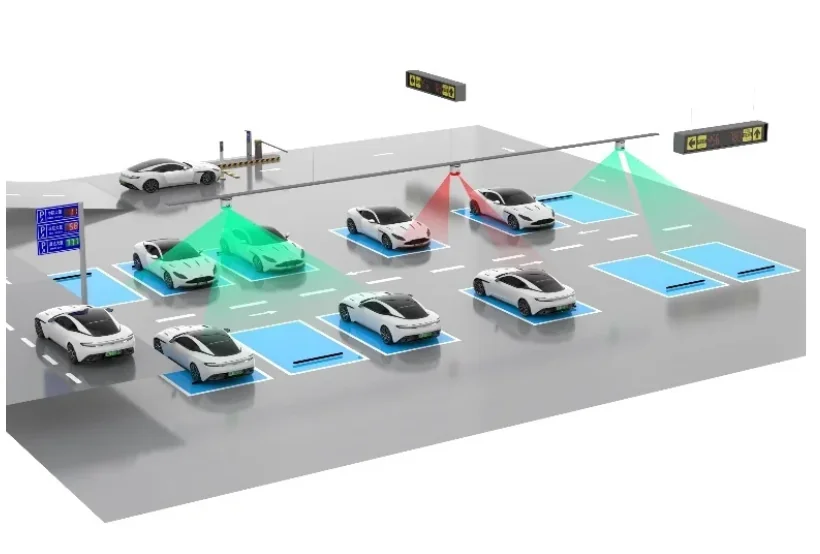
A car-finder system helps a driver locate a parked vehicle before returning to the parking area. AKE’s guidance portfolio includes 2D and 2D/3D Car Finder Kiosks; the required search method and route presentation should be confirmed for the proposed system.
Choose the search inputs drivers can provide
Car-finding options to discuss include a licence plate number, entry time, partial matching and parking-space number. A project should identify which methods are required and verify how they work in its selected configuration.
Place the kiosk on the return journey
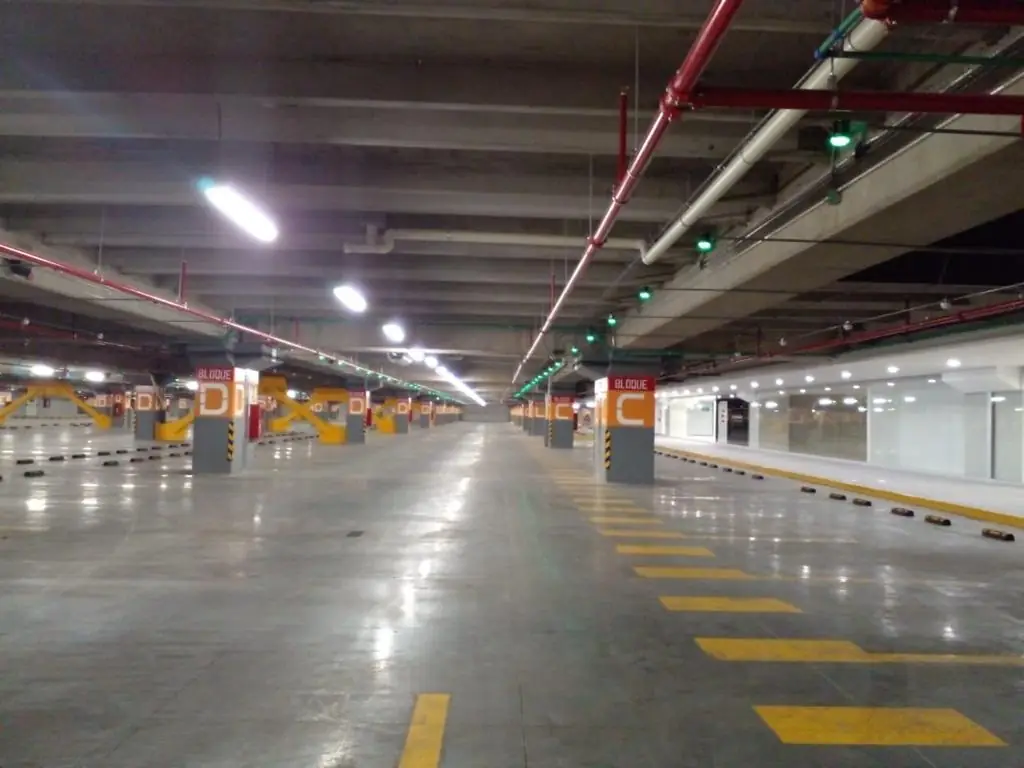
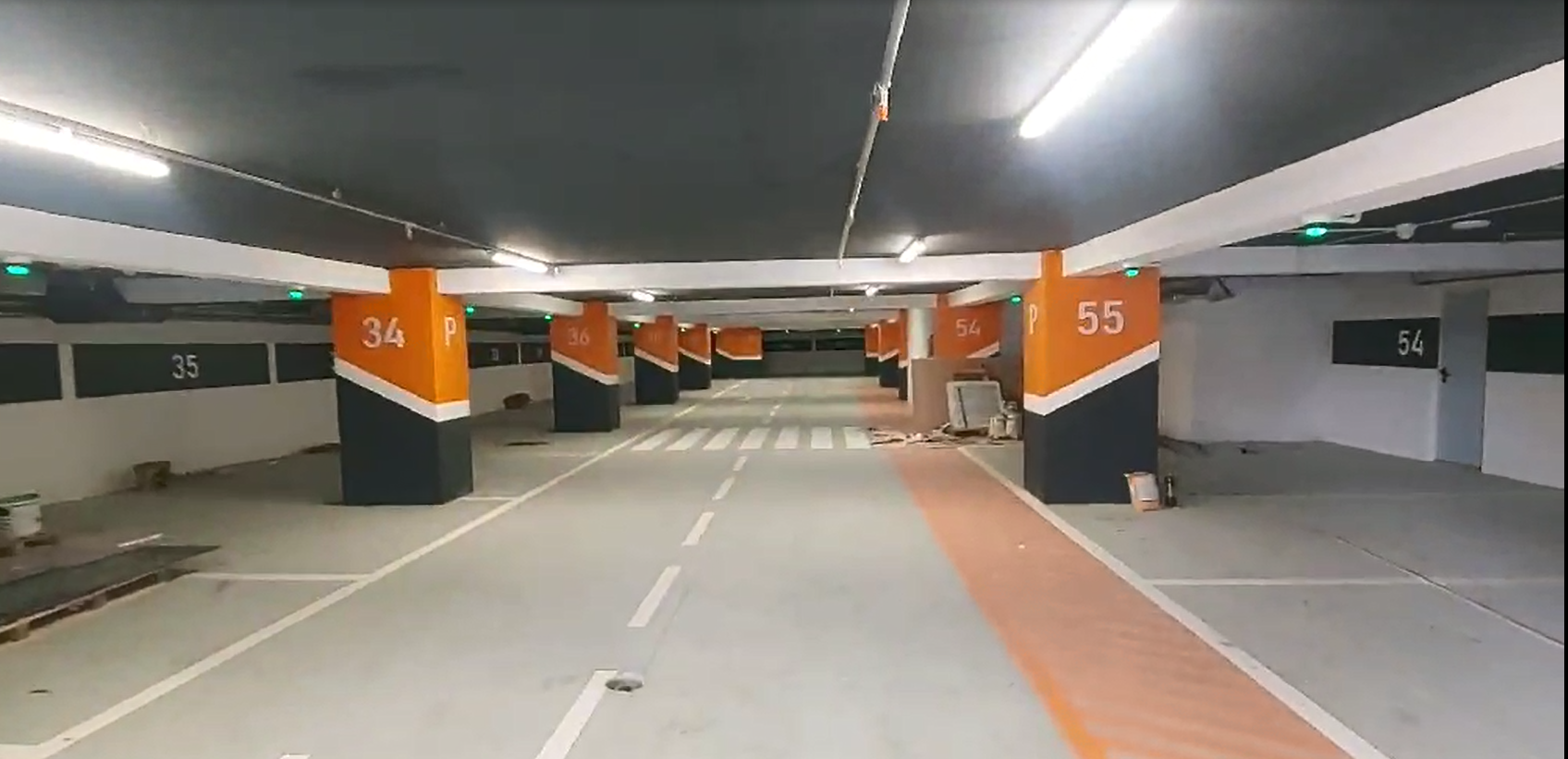
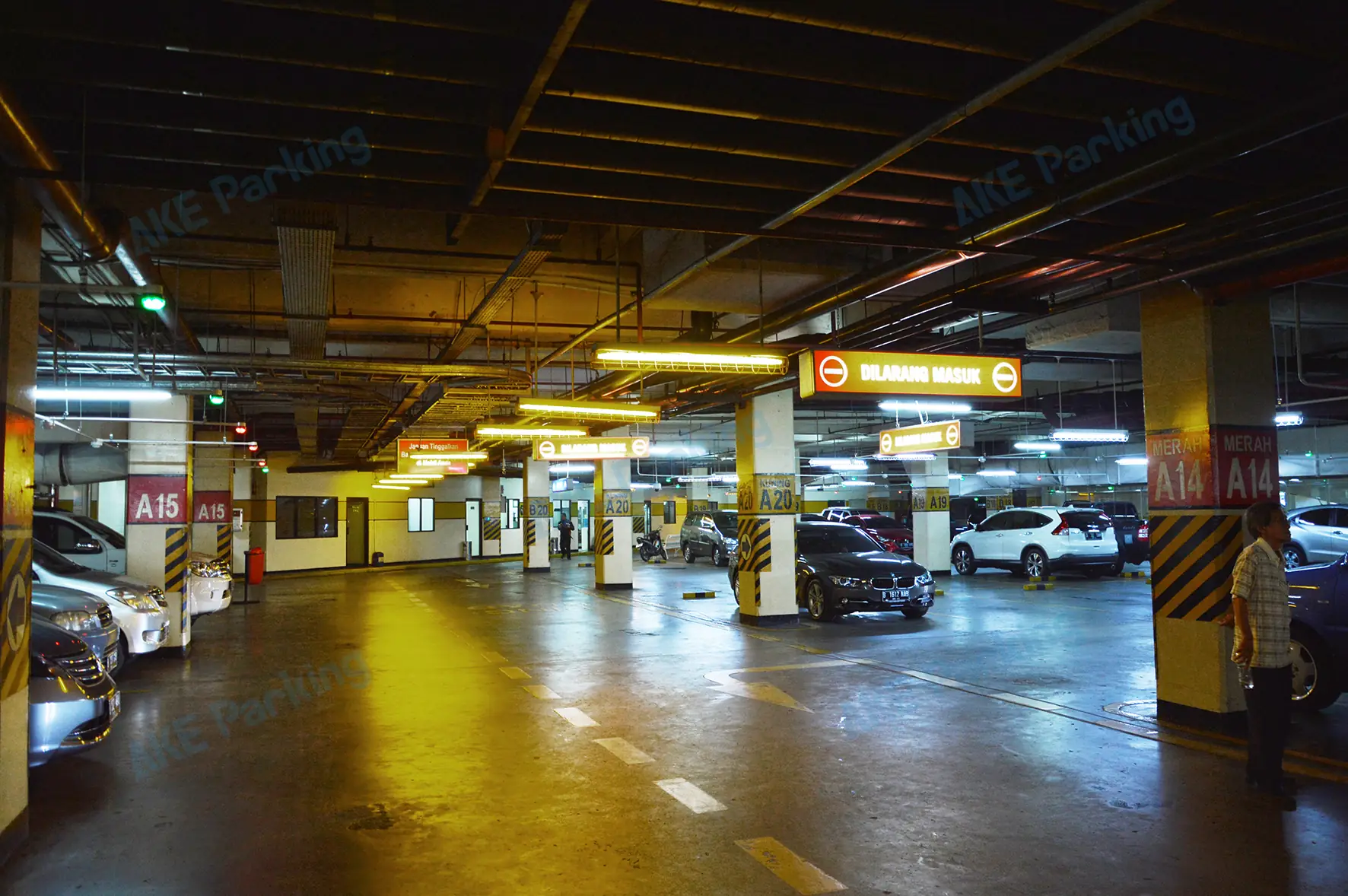
Plan the visitor’s route from the building into the car park. A kiosk is most useful where it can be found before the driver reaches an ambiguous choice of levels or aisles. Keep the parking-space and zone names consistent with the signs used in the garage.
Distinguish a static route from live navigation
A QR-based static route can be considered where the proposed configuration supports it. A static route does not move with the user in the way live navigation would. Specify the expected behaviour clearly and test it as part of the visitor journey.
Test with representative visitor tasks
During acceptance, try the required search inputs and follow the resulting route to the correct area. Include a process for an unsuccessful search. The test should check both the lookup result and whether a person can understand the next step.
Questions and answers
Which information can a driver use to find a vehicle?
Options to discuss include licence plate number, entry time, partial matching and parking-space number. Confirm the available inputs for the proposed system.
Is a QR-based static route the same as live navigation?
No. A static route does not continuously change with the user’s movement; the required navigation behaviour needs to be specified and tested.