License plate recognition (LPR) has become an important technology for automating vehicle access. Instead of requiring drivers to stop and present a ticket, card, or other credential at every entry and exit, an LPR system can identify the vehicle and connect that information with parking access rules and management software.
For parking operators, system integrators, property developers, and other B2B buyers, understanding how LPR works within a complete parking solution is more useful than evaluating the camera alone. The real value comes from connecting vehicle identification with barriers, permissions, parking records, and centralized management.
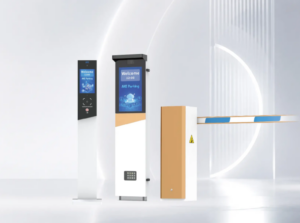
How Does LPR Work in Advanced Parking Management Systems?
At a basic level, an LPR system captures an image of an approaching vehicle and processes the license plate information. The recognized plate can then be compared with information stored in the parking management platform.
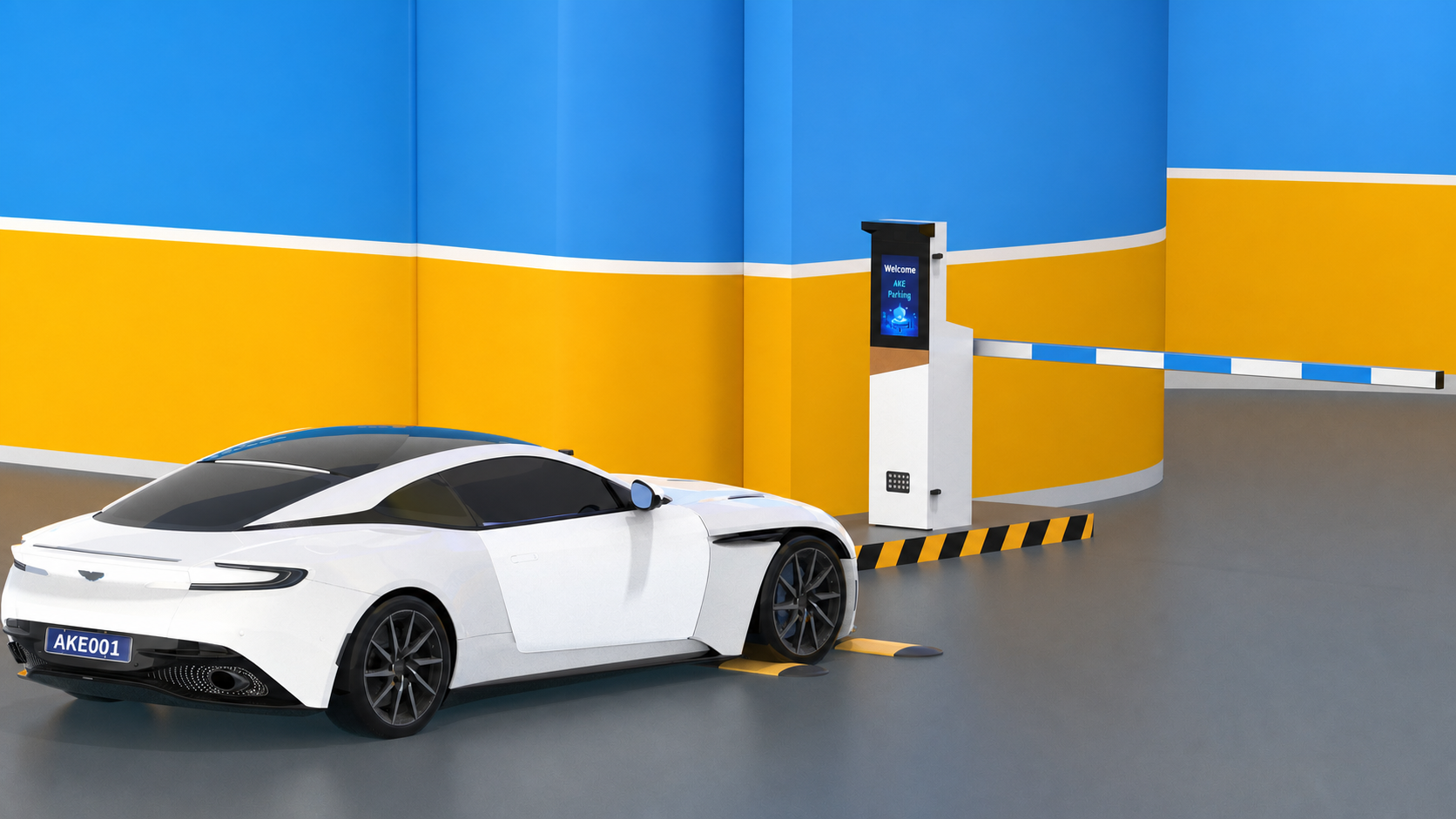
For example, a residential community may maintain a list of authorized vehicles. When a registered vehicle approaches the entrance, the system identifies its plate and checks the relevant access rule. If the vehicle is authorized, the barrier can open automatically.
For temporary visitors, the same infrastructure can apply different rules. A visitor’s license plate may be associated with a temporary authorization period, while VIP, employee, service, or restricted vehicles can receive their own permissions.
This approach reduces dependence on manual identification and provides a digital record of vehicle movements.
What Role Does LPR Play at Entry and Exit?
LPR becomes more useful when the entrance and exit processes are connected.
At entry, the camera identifies the vehicle and records the access event. The system can associate the plate with an entry time, vehicle category, authorization status, or parking session.
At exit, another recognition event can be used to retrieve the corresponding record. Depending on the project’s configuration, the platform can check whether the vehicle is authorized to leave, whether a parking payment has been completed, or whether an operator needs to handle an exception.
This creates a continuous vehicle journey rather than treating entry and exit as isolated transactions.
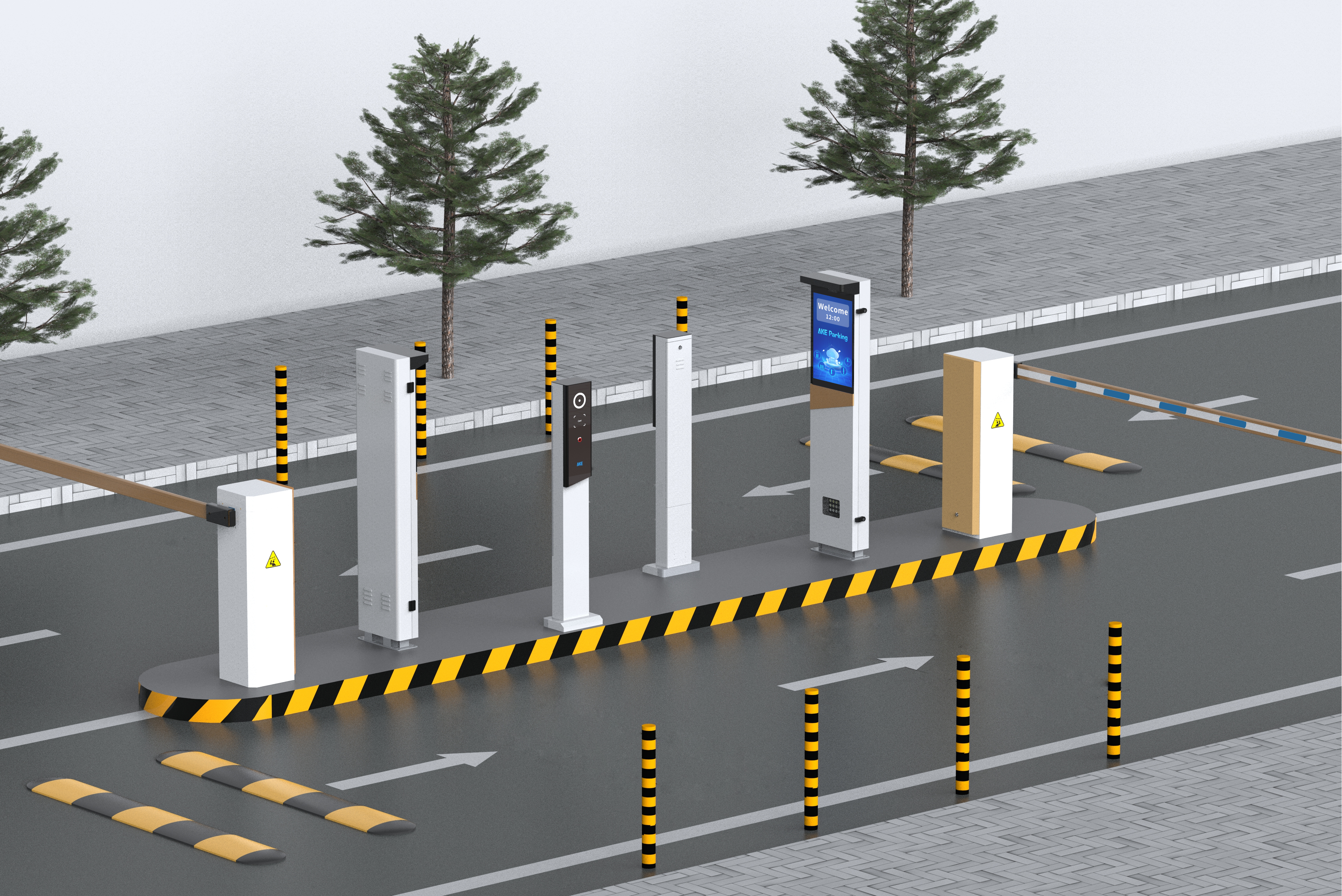
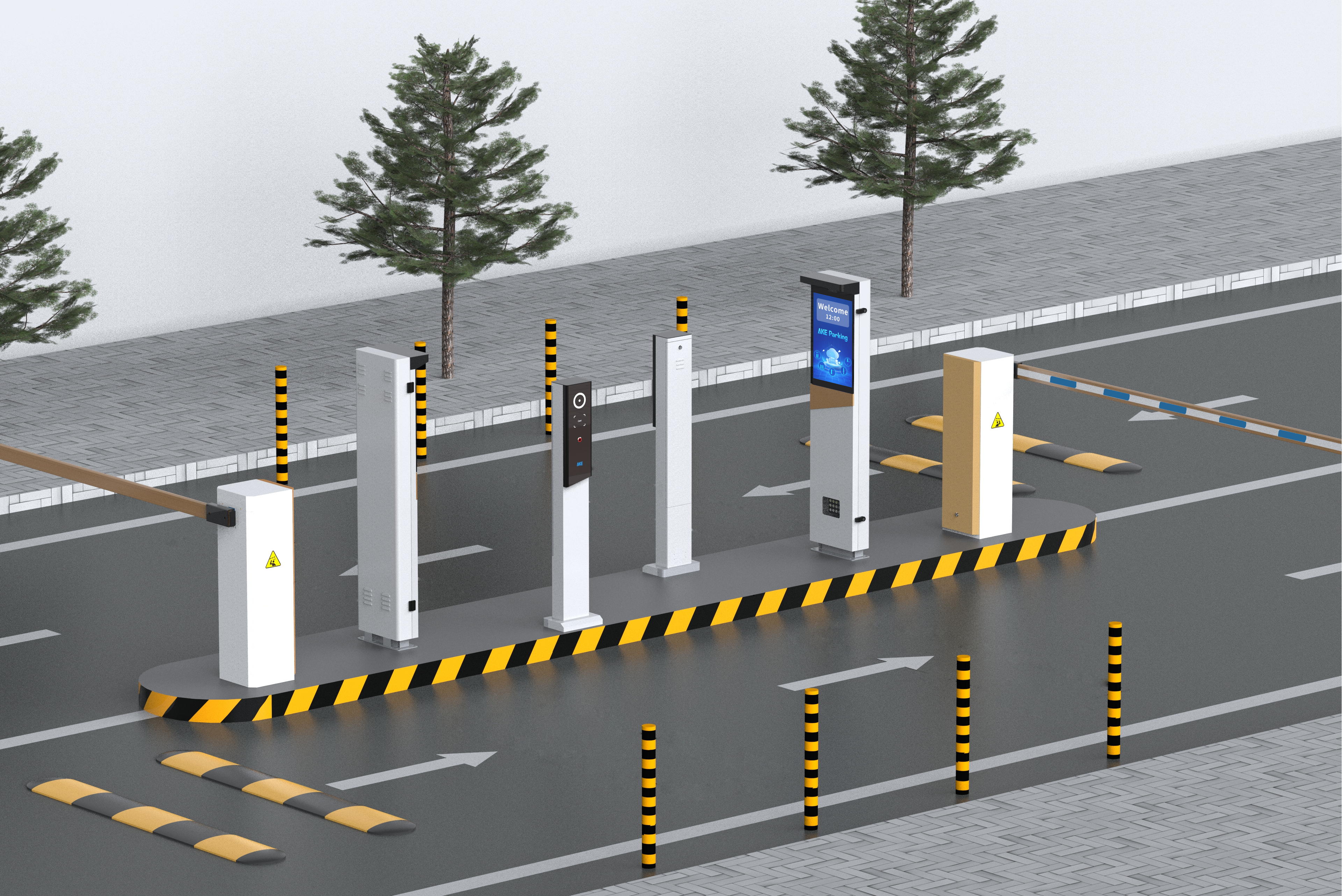
For car park management system suppliers, the ability to integrate LPR with barriers and management software is therefore an important consideration. Buyers should look beyond recognition hardware and evaluate how the complete system handles authorization, records, exceptions, and data management.
How Does LPR Improve Parking Security and Operations?
One major advantage is automated access control. Operators can establish different permissions for different vehicle groups instead of applying one rule to every vehicle.
LPR also creates useful operational records. Vehicle identification data can be associated with access events, helping authorized personnel investigate unusual activity or review historical movements.
For larger facilities, centralized management becomes increasingly important. Shopping malls, office buildings, airports, industrial parks, and residential communities may have multiple lanes and different vehicle categories. A connected system can help operators manage these environments through a unified platform.
However, LPR should not be viewed as a standalone security solution. Camera positioning, lighting, network reliability, software configuration, barrier control, and operational procedures all influence system performance. Project teams should evaluate the complete environment before selecting equipment.
What Should Buyers Look for in Advanced Parking Management Systems?
When comparing advanced parking management systems, B2B buyers should consider several factors.
First, evaluate integration. The LPR camera should work with the barrier controller and parking management platform rather than operating as an isolated device.
Second, examine authorization flexibility. Different projects may need permanent vehicle permissions, temporary visitor access, VIP lists, employee access, or special vehicle rules.
Third, consider centralized management. Multi-lane or multi-site projects benefit from a platform that can consolidate access records and operational information.
Finally, consider future expansion. A parking system may eventually need payment integration, parking guidance, RFID access, curbside management, or other access technologies. An open and scalable architecture can make future upgrades easier.
How Does AKE Parking Apply LPR Technology?
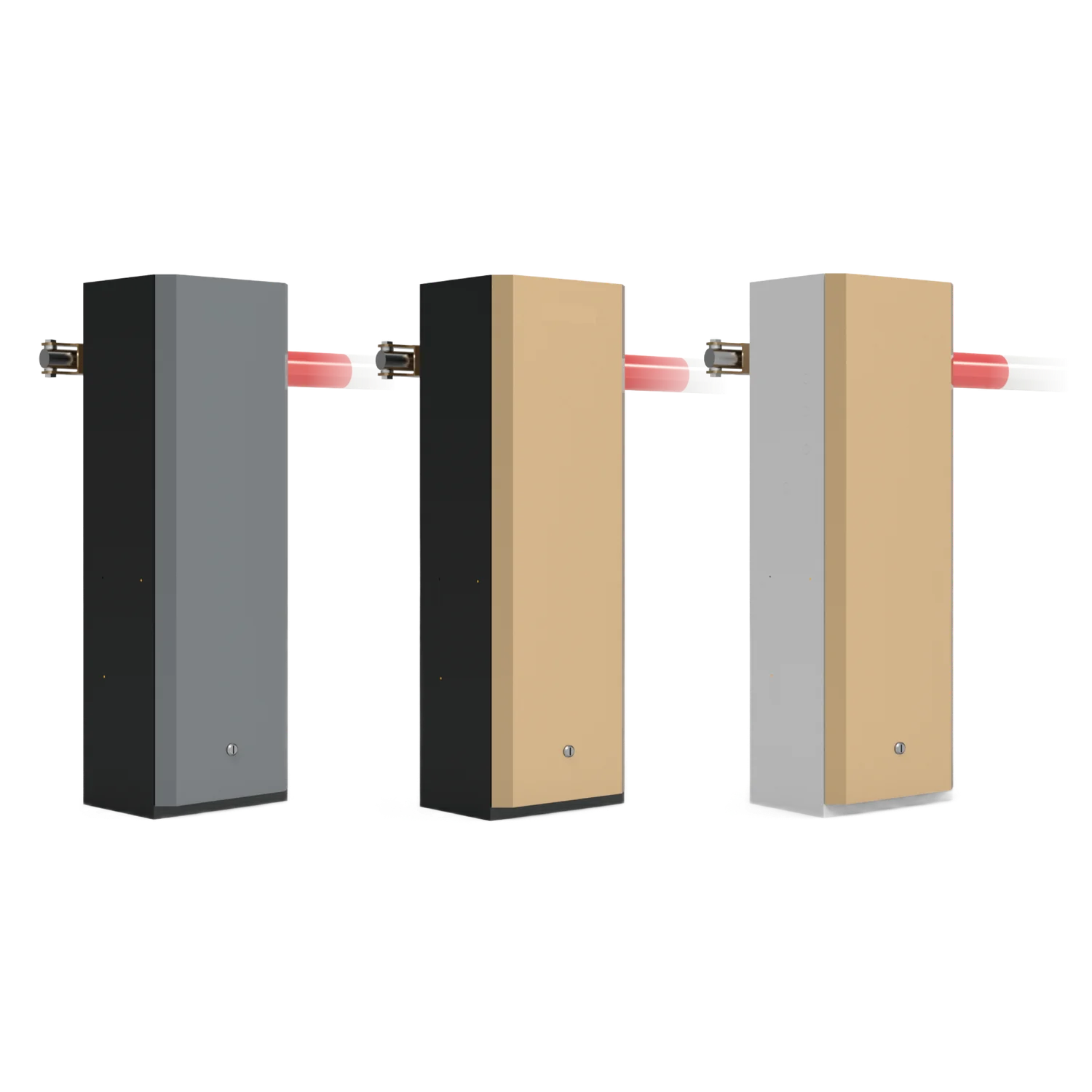
AKE Parking provides integrated parking and access solutions for B2B projects. Our product portfolio includes LPR & barrier systems, parking guidance systems, curbside management, identity and access authentication, pedestrian turnstiles, and RFID access control systems. We position our LPR & barrier solution as AI-powered vehicle access control designed for fast recognition and reliable barrier management.
Our approach focuses on connecting hardware, software, and project requirements instead of treating LPR as a standalone camera installation. We support applications including shopping malls, office buildings, residential communities, airports and transport hubs, smart cities, and industrial or logistics parks.
For B2B customers, we also support customized project requirements and OEM/ODM cooperation. Our official platform describes consultation, customized solution design, manufacturing and delivery, and deployment support as part of the project process.
How Should a Project Team Plan an LPR Parking System?
Before purchasing equipment, project teams should map the complete vehicle journey. Identify the number of entry and exit lanes, vehicle categories, access rules, payment requirements, existing infrastructure, network conditions, and expected traffic volume.
The team should also define exception procedures. Unreadable plates, unauthorized vehicles, temporary permissions, communication failures, and emergency access all need clear handling rules.
LPR is most effective when it becomes part of a coordinated parking ecosystem. By connecting vehicle recognition with access control, parking management, payment, and operational monitoring, AKE Parking helps project teams develop parking environments that are easier to manage, automate, and expand.