Parking payment and vehicle access control are often treated as separate functions during parking project planning. In practice, they work best when they are connected through a unified management workflow. When payment status, vehicle identification, authorization rules, and barrier control communicate with each other, parking operators can reduce manual intervention and create a smoother process from entry to exit.
For system integrators, property developers, parking operators, and other B2B buyers, the key question is not simply which payment terminal or barrier gate to purchase. It is how these components should work together as one parking operation.

Why Should Parking Payment and Vehicle Access Control Be Integrated?
A modern parking facility normally needs to identify vehicles, determine access rights, calculate parking charges, collect payment, and authorize exit. If each function operates independently, staff may need to verify payment manually or resolve mismatched records between different systems.
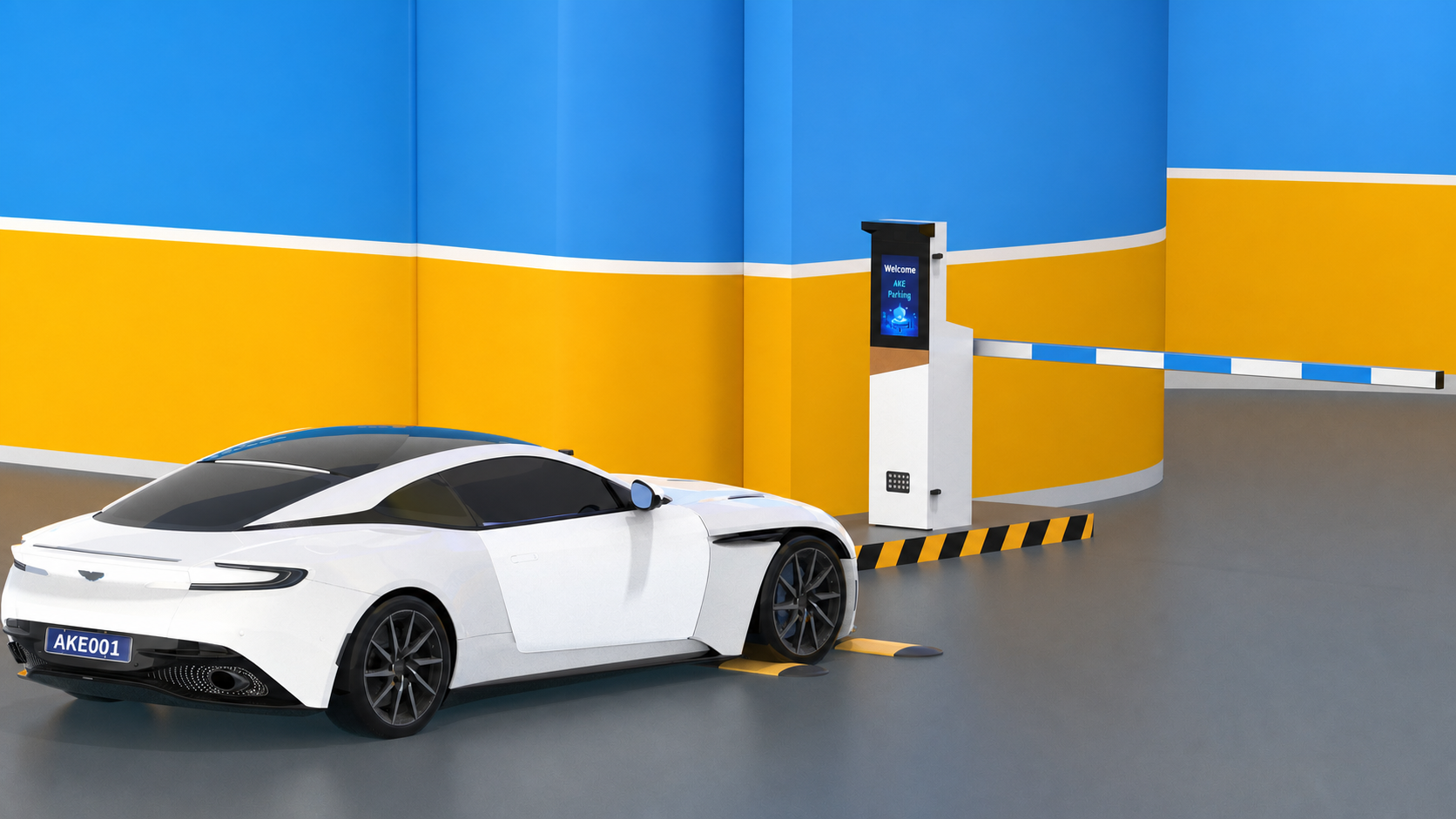
An integrated approach connects vehicle identification with parking transactions. For example, an LPR camera can identify a vehicle at entry, while the parking management platform records the entry event. At exit, the system can check the vehicle’s parking record and payment status before controlling the barrier.
This creates a more consistent workflow and gives operators a centralized view of access and payment activity.
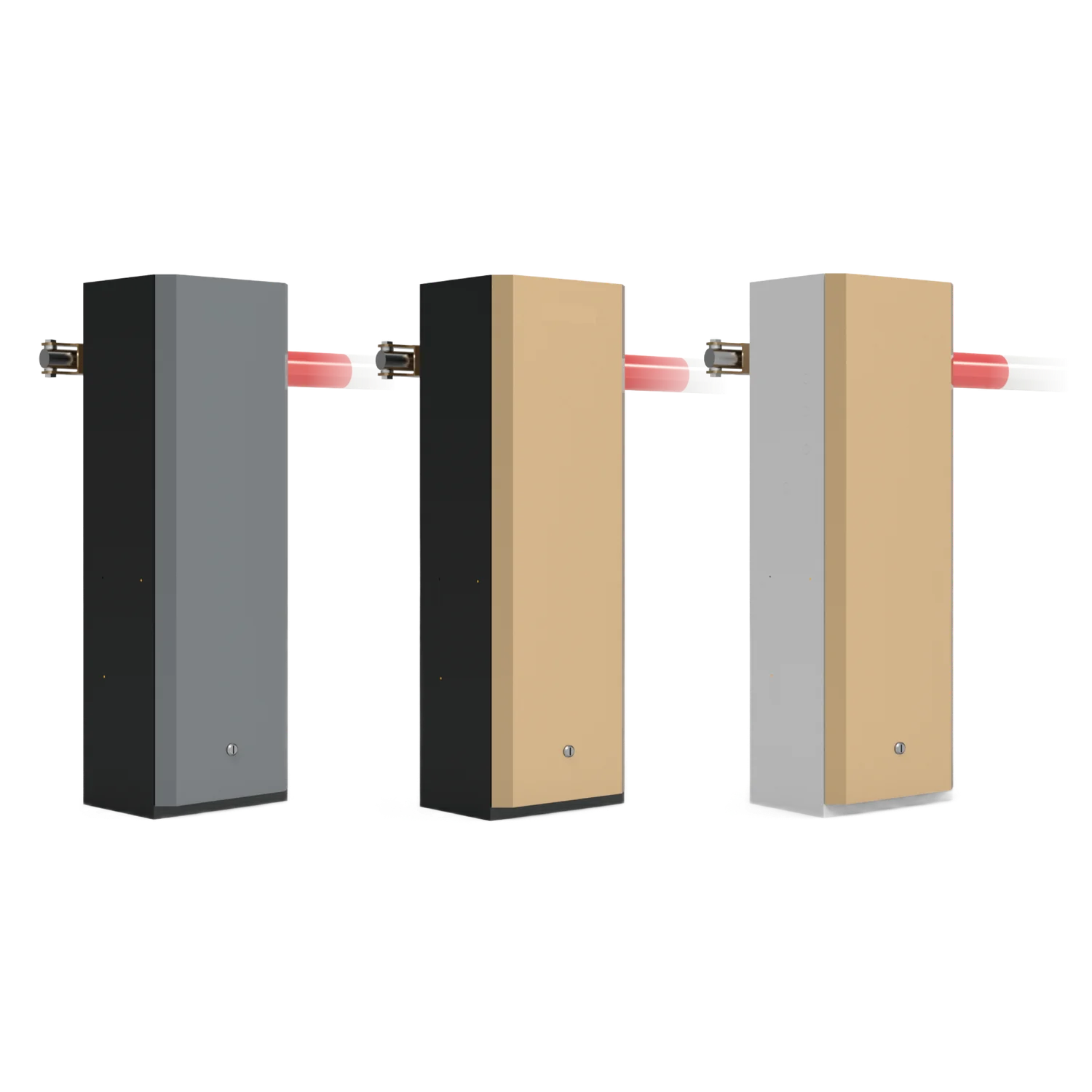
For businesses evaluating car park management system suppliers, integration capability should therefore be considered alongside hardware specifications. Buyers should examine whether the supplier can connect vehicle recognition, barrier control, payment functions, and management software according to the site’s actual operating requirements.
What Does an Integrated Parking Payment Workflow Look Like?
A typical workflow can be divided into several stages.
- Vehicle identification at entry
An LPR or ANPR camera identifies the vehicle and sends the relevant information to the parking management platform. The system can then determine whether the vehicle is a visitor, registered user, employee, VIP, or another defined category.
- Parking session creation
After successful identification, the system records the entry time and establishes the vehicle’s parking session. This record becomes the basis for subsequent fee calculation and exit authorization.
- Fee calculation and payment
When the driver is ready to leave, the system calculates the applicable parking fee according to the configured tariff rules. Depending on the project, payment may be supported through different channels, such as QR-based payment, mobile payment, unattended payment terminals, or other connected payment methods.
- Payment verification
After payment is completed, the transaction status should be communicated to the central parking platform. This prevents the barrier controller from relying on a separate or manually updated payment record.
- Exit authorization
At the exit lane, the vehicle is identified again. The system matches the vehicle with its parking session and payment status. If the transaction meets the configured conditions, the barrier can open automatically.
This workflow is especially useful for high-volume facilities where manual payment verification could create queues during peak periods.
What Should Buyers Consider When Selecting the System?
The first consideration is system compatibility. Payment equipment, LPR cameras, barrier gates, and management software need to exchange data reliably. Open integration can also make it easier to connect existing equipment or third-party platforms when upgrading a facility.
The second consideration is exception handling. A practical parking system should account for situations such as unpaid transactions, temporary vehicle permissions, lost tickets, network interruptions, or vehicles that require operator assistance.
The third consideration is centralized management. For multi-site operators, centralized data can help authorized personnel monitor access records, payment activity, equipment status, and operational events from one platform.
These capabilities are important when evaluating advanced parking management systems, because a sophisticated system should improve operational control rather than simply add more hardware.
How Can AKE Parking Support Integrated Parking Operations?
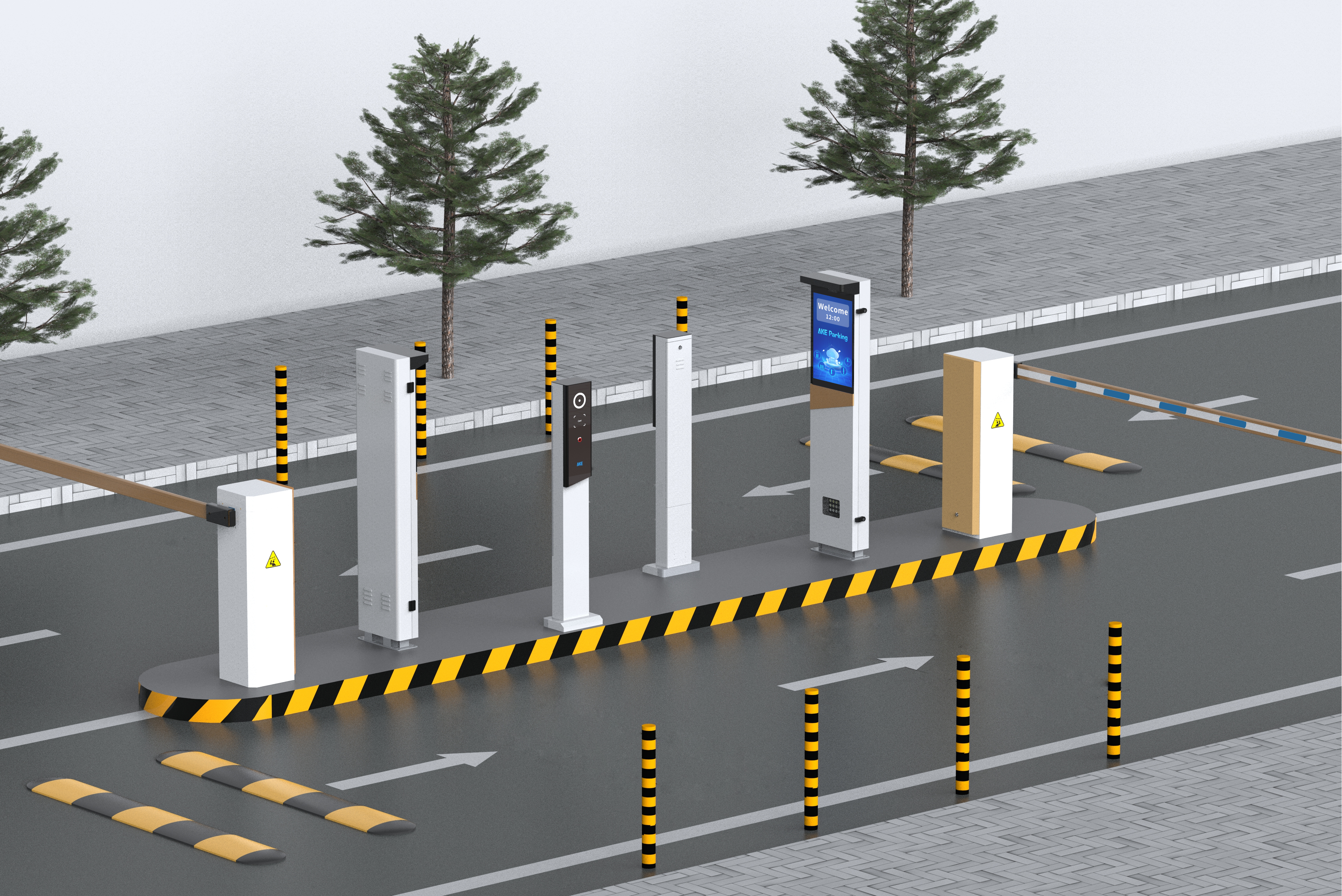
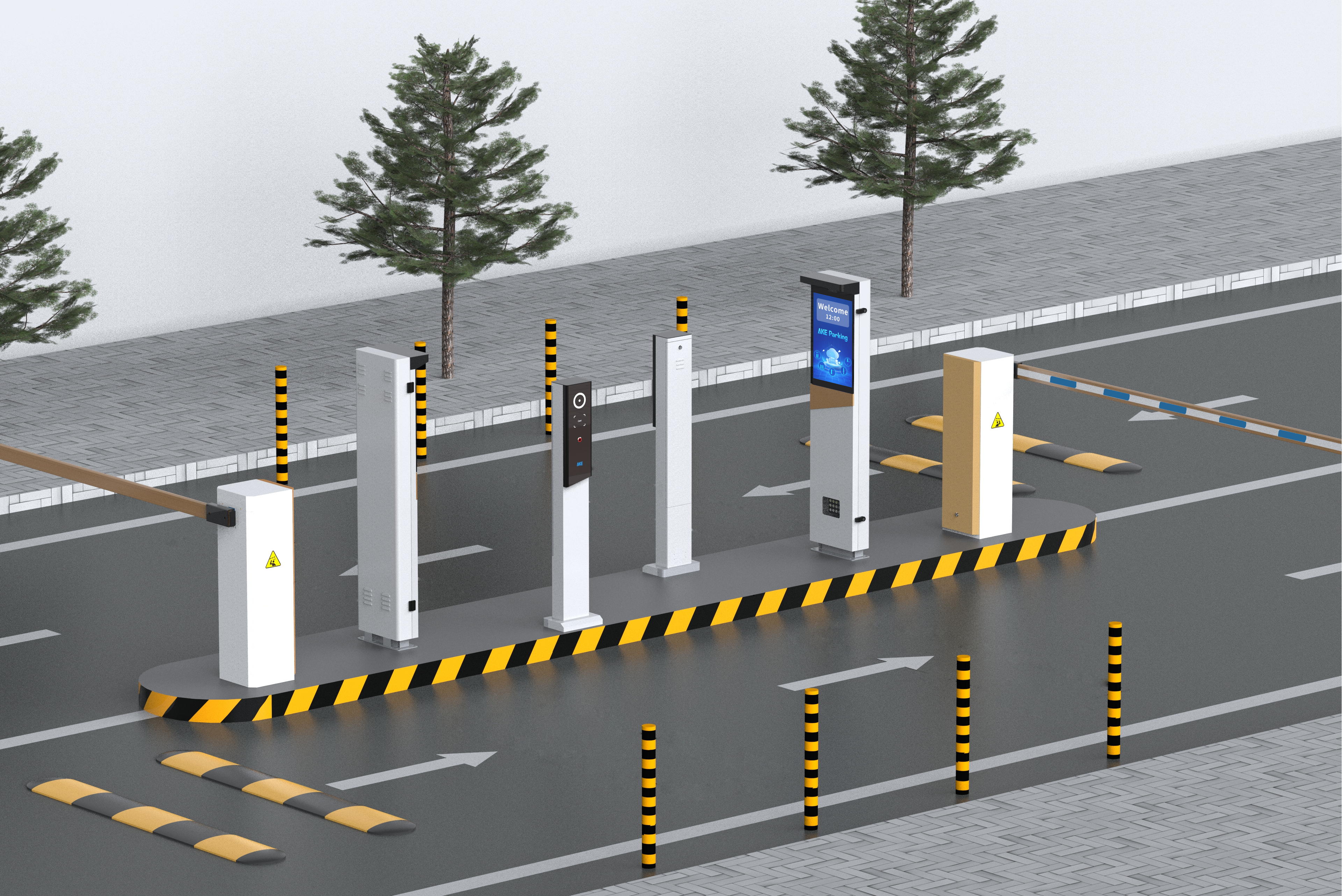
AKE Parking provides integrated parking and access solutions covering LPR and barrier systems, parking guidance, curbside management, identity and access authentication, pedestrian turnstiles, and RFID access control.
Its official solution portfolio also highlights payment integration and the connection of parking hardware, access control, and software for different project environments.
For B2B projects, this integrated approach can be useful when the requirement extends beyond installing individual devices. Project teams can evaluate the complete operating process, including vehicle identification, entry authorization, payment, exit control, monitoring, and future system expansion.
How Should a Project Team Plan the Integration?
Before selecting equipment, project teams should document the number of entry and exit lanes, expected traffic volume, vehicle categories, payment methods, tariff rules, existing equipment, network conditions, and required integrations.
It is also useful to define what should happen when a payment fails, a vehicle cannot be recognized, or communication with the central platform is temporarily unavailable. These details help system integrators design a more reliable operating workflow.
Ultimately, integrating parking payment with vehicle access control is about connecting transactions with physical access. When identification, payment verification, management software, and barrier control operate as one coordinated system, parking facilities can achieve more predictable operations and a better experience for both operators and drivers.