Modern parking facilities need more than a camera at the entrance and a gate that opens when a vehicle arrives. For shopping malls, office buildings, residential communities, airports, industrial parks, and other high-traffic sites, vehicle identification, access authorization, barrier control, and operational data need to work together. This is where advanced parking management systems provide a more coordinated approach.
At AKE Parking, we integrate LPR technology, barrier gates, access control, and parking management functions to help B2B customers build more efficient and manageable vehicle access environments. Understanding how these components interact can help system integrators, parking operators, and project developers make better technology decisions.
What Role Does LPR Play in a Parking Management System?
License Plate Recognition (LPR) is the identification layer of a modern parking system. An LPR camera captures a vehicle’s license plate as it approaches an entry or exit lane and converts the captured image into usable identification data.
The value of LPR is not simply recognizing a plate. The recognition result can become an input for the access-control process. Depending on the project’s operating rules, the system can compare the identified vehicle with authorization records, determine whether access conditions are satisfied, and then trigger the appropriate response.
For commercial parking facilities, this can support automated entry and exit. For controlled sites, it can also help operators manage authorized vehicles, temporary access, and different access rules without relying entirely on manual verification.
How Do LPR and Barrier Gates Work Together?
The integration can be understood as a coordinated sequence.
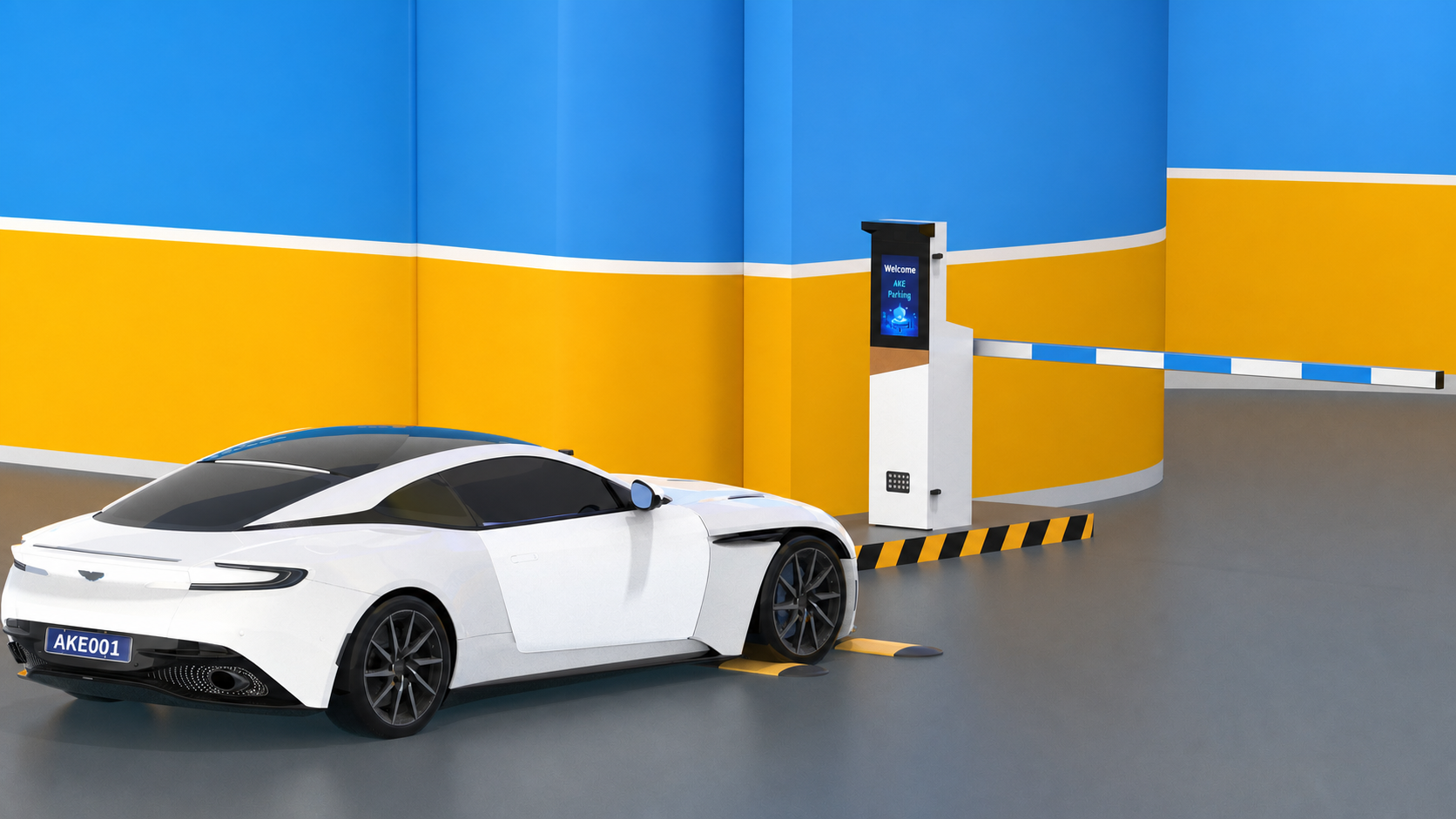
First, a vehicle approaches the lane and the LPR camera captures its license plate. The recognition system then sends the identification result to the relevant parking management or access-control platform. The platform evaluates the vehicle according to configured rules.
If the vehicle is authorized to proceed, an opening command is sent to the barrier gate. The barrier then lifts to allow the vehicle through. After the vehicle passes, the system can return the barrier to its normal position while recording the relevant access event.
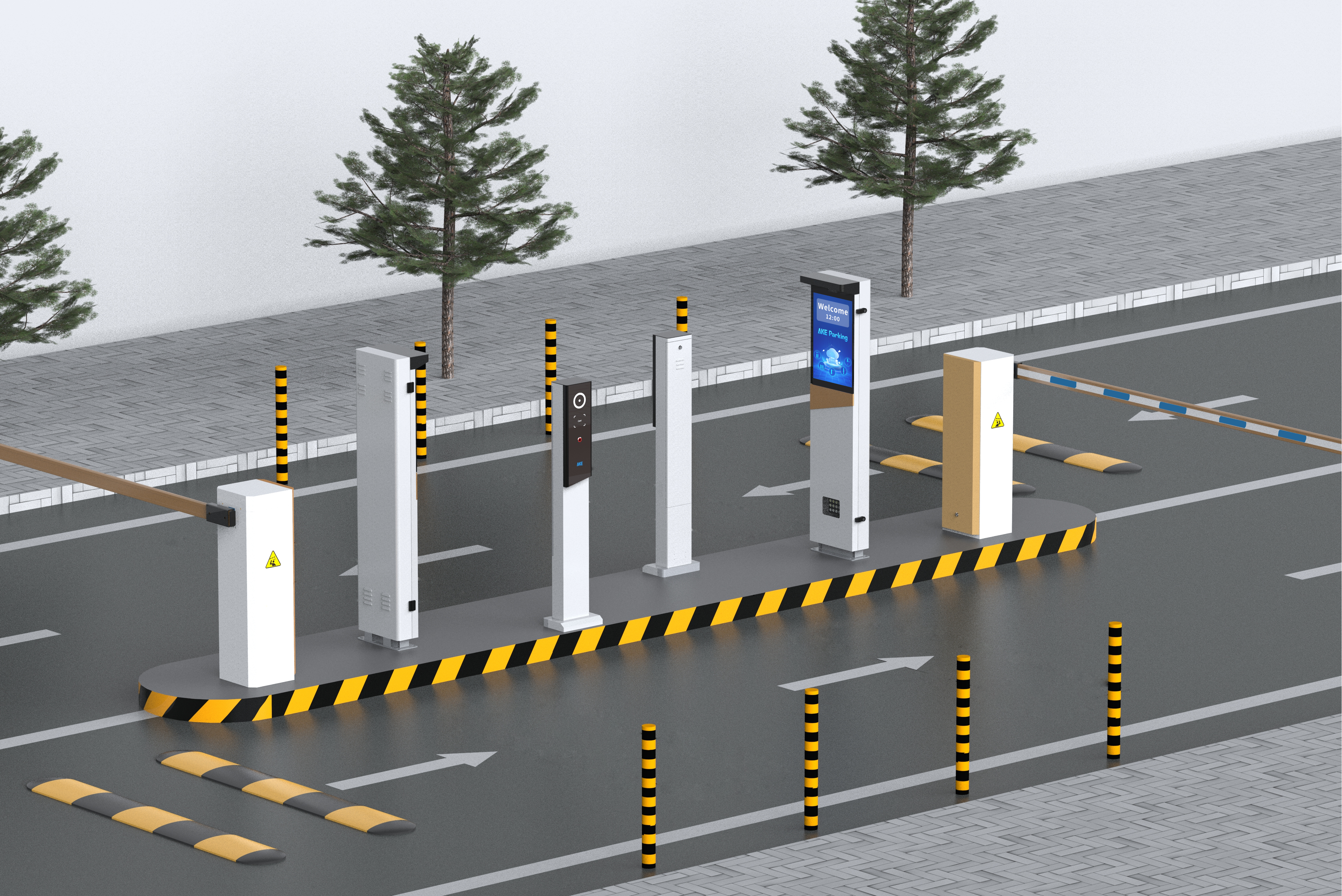
This workflow connects identification, decision-making, and physical access control. Instead of treating the LPR camera and barrier as two independent devices, an integrated architecture allows them to operate as parts of one vehicle-access process.
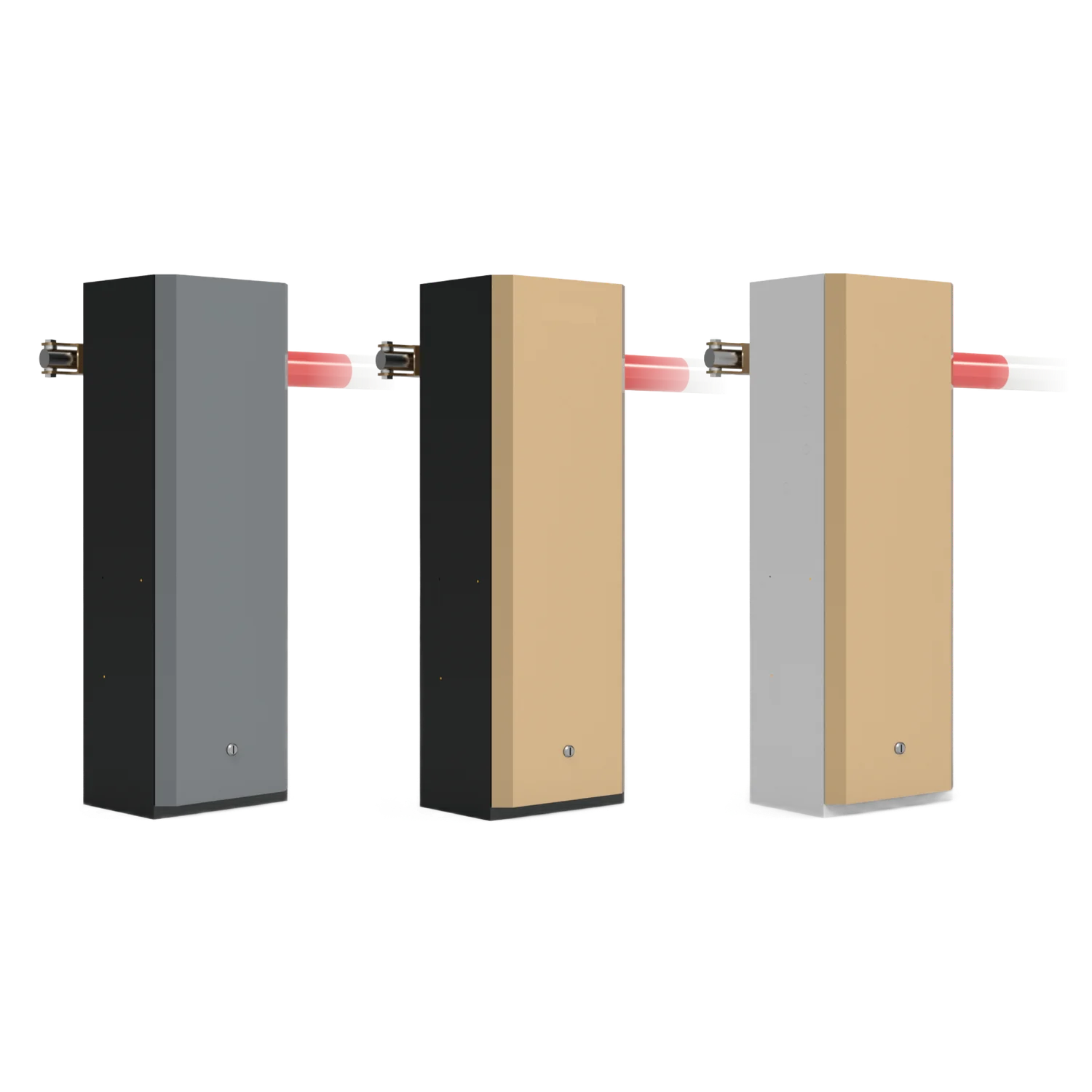
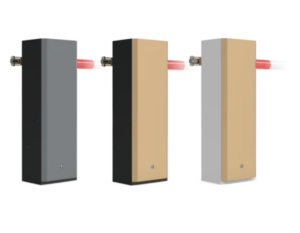
AKE’s current product portfolio includes LPR and barrier systems designed around this type of intelligent vehicle access control. Its official solutions page also emphasizes integration between parking hardware, access control, and software.
What Should Car Park Management System Suppliers Consider?
When evaluating car park management system suppliers, buyers should look beyond individual equipment specifications. The key question is whether the supplier can provide a complete and workable system architecture.
Integration compatibility is one consideration. LPR cameras, barrier gates, controllers, software, payment functions, and other parking equipment need suitable communication and control interfaces. A supplier with experience in complete parking solutions can help reduce integration problems during deployment.
Project requirements also matter. A shopping mall with high visitor turnover may require a different access workflow from an office building with employee vehicles or a residential community with long-term users. Lane configuration, traffic volume, authorization rules, payment methods, and existing infrastructure should therefore be evaluated before selecting equipment.
AKE supports multiple parking and access scenarios and provides customized solution design for professional project customers. Its current business model includes OEM/ODM support and integration with existing platforms and third-party systems.
Why Is System-Level Integration Important?
A disconnected parking installation can create operational gaps. For example, an LPR camera may recognize a vehicle correctly, but the barrier still requires separate manual intervention if the recognition result is not connected to the access-control logic.
An integrated system creates a clearer information flow. Vehicle identification becomes linked to authorization, barrier operation, event records, and broader parking management functions. This can help operators manage access more consistently and provide useful operational data for system monitoring.
The approach is especially relevant to larger projects where parking management involves multiple entrances, exits, user groups, or supporting systems.
AKE has implemented integrated parking solutions in large-scale projects, including Shenzhen World Exhibition & Convention Center, where its solution included camera parking guidance and an LPR barrier gate system.
How Can AKE Parking Support an Integrated Parking Project?
For professional buyers, choosing a parking technology partner involves more than purchasing an LPR camera or barrier gate separately. It requires evaluating product compatibility, software integration, project engineering, manufacturing capability, documentation, and ongoing technical support.
At AKE Parking, we develop integrated parking and access solutions covering LPR and barrier systems, parking guidance, curbside management, identity and access authentication, pedestrian turnstiles, and RFID access control. We work with system integrators, parking operators, channel partners, and project builders to develop solutions according to actual site requirements.
For B2B projects, the objective is not simply to automate a gate. It is to establish a connected access workflow in which vehicle identification, authorization, barrier control, and parking operations can work together reliably. By taking this system-level approach, project stakeholders can build parking infrastructure that is easier to manage, integrate, and scale.