An entrance refusal can occur with no usable image, a misread plate, or a correct plate attached to an unresolved access condition. The driver’s experience may look the same in all three cases: the vehicle cannot proceed.
Troubleshooting separates those cases before changing equipment settings. Start with the capture and access evidence for one affected vehicle, preserving its time and lane so that each later observation refers to the same attempted passage.

Find the Capture Evidence Before Adjusting Recognition
The first useful record is an image of the vehicle at the time the problem occurred. If no corresponding image exists, the investigation should focus on capture coverage and triggering.
An existing image with an obscured plate raises a different question about the view available for recognition. The investigation of lpr parking management systems needs to distinguish missing evidence from evidence that cannot support a readable plate.
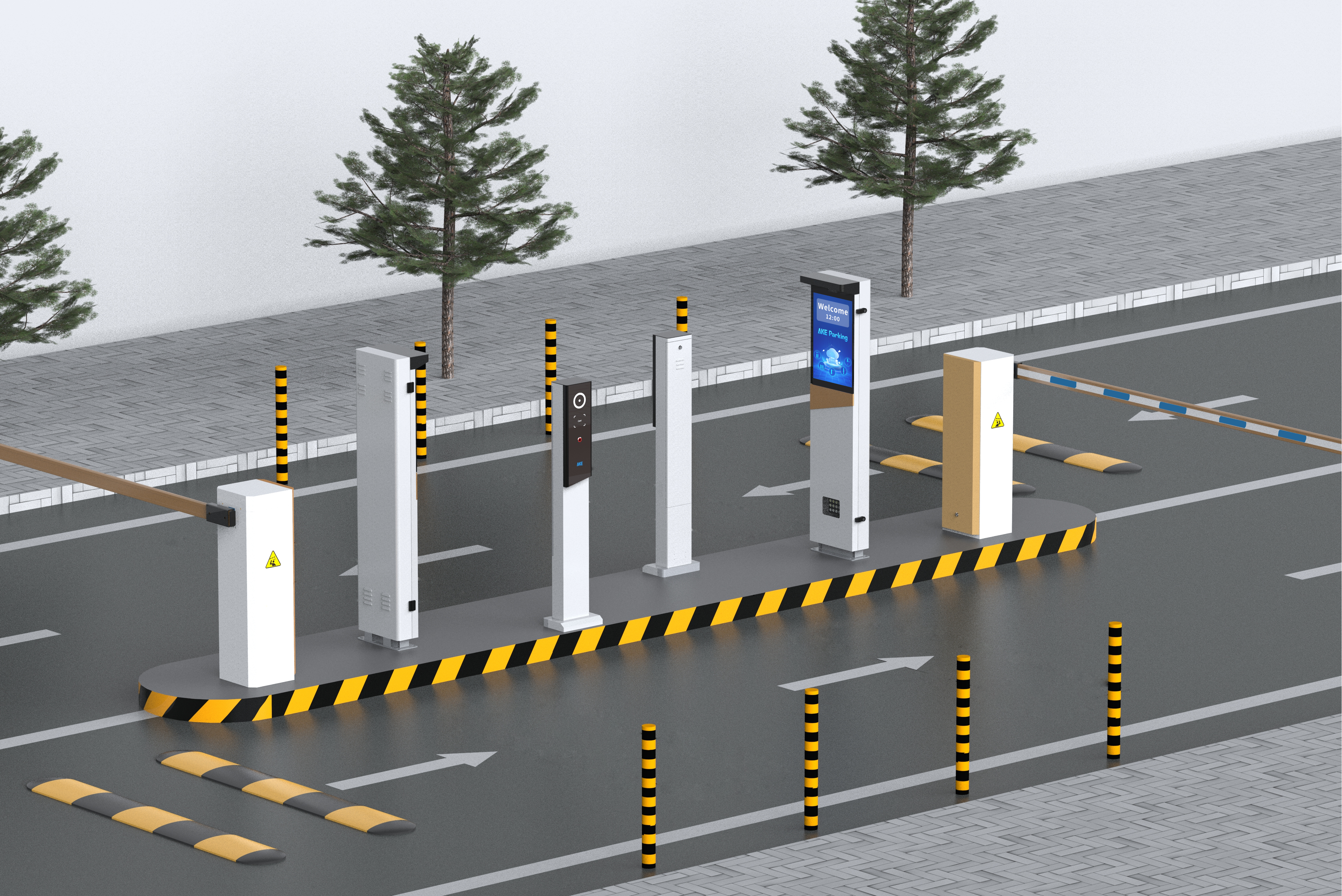
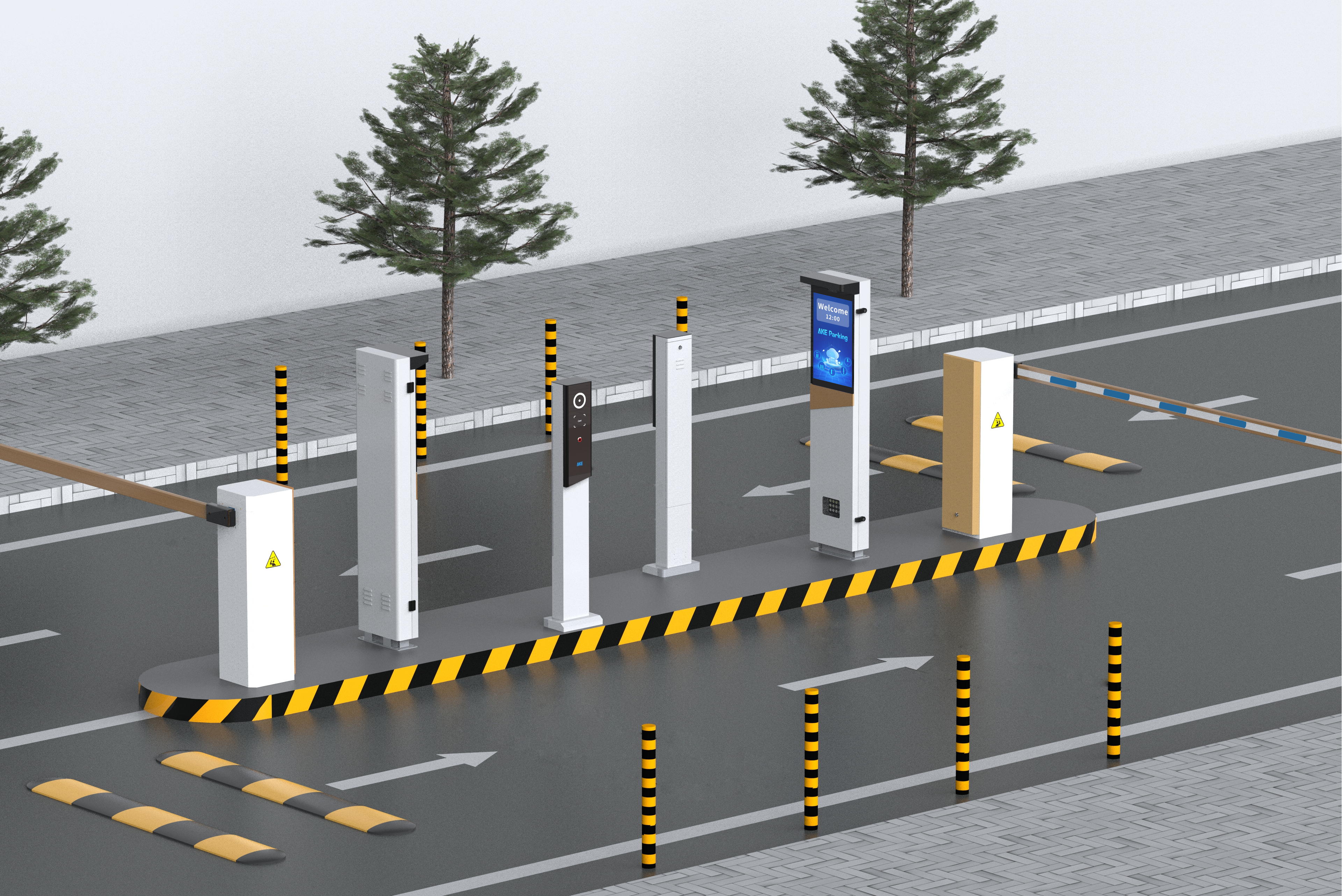
Look at where the vehicle was positioned when capture was expected. A blind spot can leave the plate outside the useful view, while a trigger can occur at an unsuitable position. Our AKE Parking All-in-One LPR Camera supplements the main camera as an auxiliary capture pillar where lane blind spots limit usable coverage. Its purpose is to reduce missed captures where another view is needed.
Our auxiliary pillar supports video, loop, and combined triggering and includes fill lighting and a power adapter. The selected trigger arrangement belongs in the capture check: the image and vehicle position need to correspond with the intended capture moment. Adding another camera changes the available view, but the installation still requires a defined relationship between its trigger and the vehicle being observed.
For anpr parking, the pillar specifies a 5MP camera, fixed 6mm lens, and vehicle recognition from 0 to 40km/h. Its IP54 protection and -25°C to +70°C working range describe deployment conditions. Those specifications can be compared with the actual approach and installation environment. Readable characters in the captured image provide the basis for deciding whether recognition itself requires investigation.
Follow a Correct Plate Toward the Access Decision
Correct plate text shifts the investigation toward what happened to that identity afterward. A refusal may reflect an applicable rule, an unsuitable configuration, or information that did not reach the component making the decision. The next comparison concerns the read identifier and the rule applied to it.
Our auxiliary camera supports blacklist and whitelist management, non-motor vehicle filtering, and virtual-loop vehicle-type detection. In anpr parking diagnosis, its list, filtering, and trigger settings can form part of the configuration review.
Establish which installed component supplied the reading and which configuration affected it. A permitted vehicle and a vehicle intentionally excluded by a rule require different interpretations of a refusal.
Communication checks for lpr parking management systems concern whether the captured result reaches its intended recipient. The auxiliary pillar provides a 10/100Mbps adaptive RJ45 network port.
Compare the available equipment-side evidence with the receiving platform’s evidence for the same vehicle and time. If the received result is missing, examine the connection and exchange. Do not presume that the visible plate was unreadable.
Access qualification still requires the site’s operating records. A visitor request, a changed vehicle association, or an entitlement outside its agreed scope may need an administrator’s clarification. Record what the reading showed, what condition was applied, and what remains unresolved. These observations distinguish a technical transmission problem from a decision that followed the configured rule.
Provide Assistance Without Losing the Diagnostic Trail
The driver needs a service route while technical checks continue. Assistance can obtain the relevant context, identify the vehicle’s request, and bring the case to an authorized operator.
The assistance arrangement for lpr parking management systems needs to preserve that distinction between contacting someone and receiving a confirmed access decision. A call channel carries the request; the site’s procedure governs its resolution.
Our Voice Parking Help Point Terminal places a one-touch call to the central management office for recognition, payment, or access problems. A three-second button press ends the call.
Voice data travels to the cloud platform in real time through standard network communication. The pillar can work with cloud platforms, ANPR cameras, and barrier systems in unattended lanes, connecting the affected driver with management assistance.
A separate street-parking case involves a dirty, obstructed, or difficult-to-recognize plate. Our Parking Enforcement Handheld combines automatic plate recognition with a dedicated manual-entry input method for curbside tasks.
Mobile uploads and receipt printing belong to that handheld workflow. An authorized operator can retain the observed plate and corrected entry under the site’s enforcement procedure. The handheld should not be treated as a standard fixed-lane accessory.
For anpr parking support, the incident record can retain the image condition, read characters, applicable rule, receiving evidence, and assistance outcome. Each item explains a different branch of the investigation. Any intervention also needs its recorded authority and outcome so that later support can separate the original problem from changes made during its handling.
A missing image, mismatched reading, or unresolved permission condition leaves a different question for further investigation. Identifying that remaining question gives the next investigator a specific task beyond the visible symptom of a vehicle being refused. Preserve enough of the affected vehicle’s observations for a subsequent check to reproduce the diagnosis and continue from the unresolved branch.