A barrier can obey its configured rule perfectly and still admit a vehicle the parking operator intended to exclude. The equipment may be carrying out a decision whose conditions were incomplete or outdated.
Preventing that mismatch requires attention to management choices around the lane. Five mistakes concern eligibility, motion settings, assistance, emergency responsibilities, and the situations used to accept the installation.
Letting Old Eligibility Travel With a Current Identifier
A registration left on a list after its approved use ends can keep an outdated decision available at the entrance. Changes in employment, tenancy, vehicle allocation, or visiting arrangements can alter the permitted use while the identifier remains readable.
The operating brief for lpr parking management systems needs a route for reviewing those changes and identifying who maintains the relevant eligibility. The review can cover new approvals as well as permissions awaiting cancellation.
The parking permit management system specification can describe the permitted area, applicable period, and condition that ends an approval. Consider a visitor allowed into one section during a particular visit: continuing enrollment alone leaves those restrictions unresolved.
Administration needs a named person to confirm the current arrangement and revise its conditions. The correction belongs in the rule design before another admission is attempted.
Selecting Barrier Motion by the Shortest Time
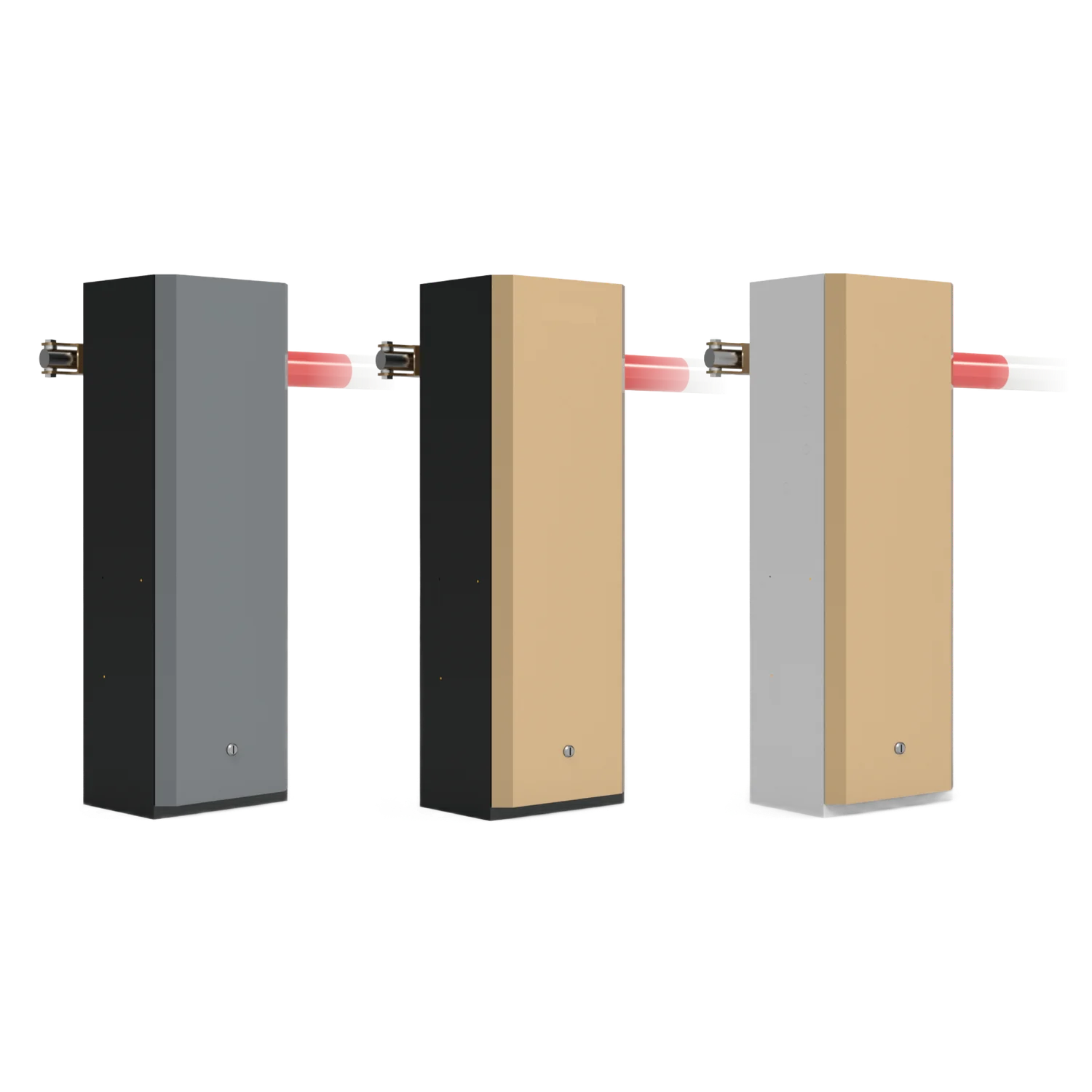
The shortest available movement becomes a poor selection criterion when arm length and vehicle flow are excluded from the decision. Our AKE Parking Smart Barrier Gate uses a 24V DC brushless motor and adjusts opening and closing speed based on traffic flow and barrier arm length, with operation adjustable from 1 to 6 seconds.
For lpr parking management systems, the selected setting belongs within the intended vehicle passage and protective arrangement. The vehicle’s complete passage also includes decision, detection, and clearance around that movement.
Our Smart gate uses a 24V DC brushless motor, planetary gearing, and a four-link mechanism for smooth movement and frequent reversing over a 24-hour period. Straight, fence, foam, and illuminated arms are supported.
A parking permit management system project can compare the proposed arm arrangement with lane geometry, vehicle movement, and detector positions. The movement-time number should not become the entire selection basis.
The gate specifies a five-million-cycle service life and IP54 protection, with RS485 or switch-signal interfaces. Color, speed, LED-arm, and OEM customization can address defined project requirements.
The receiving team needs the selected configuration recorded beside the service and inspection arrangements. Those choices explain what has actually been supplied and how its operating setting fits the entrance. Interface assignment can identify which receiving component handles the chosen control signal.
Leaving Unattended Drivers Without a Service Route
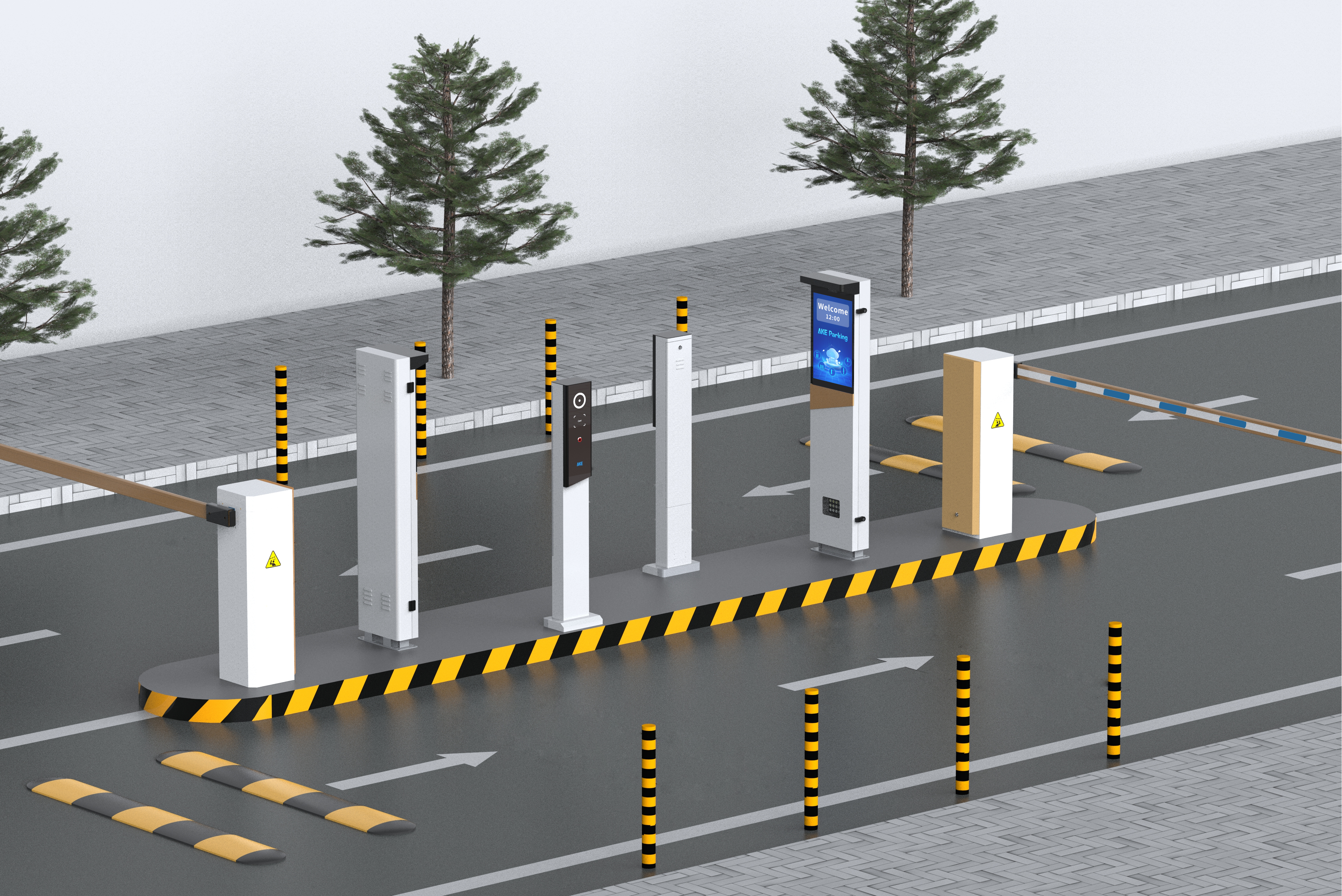
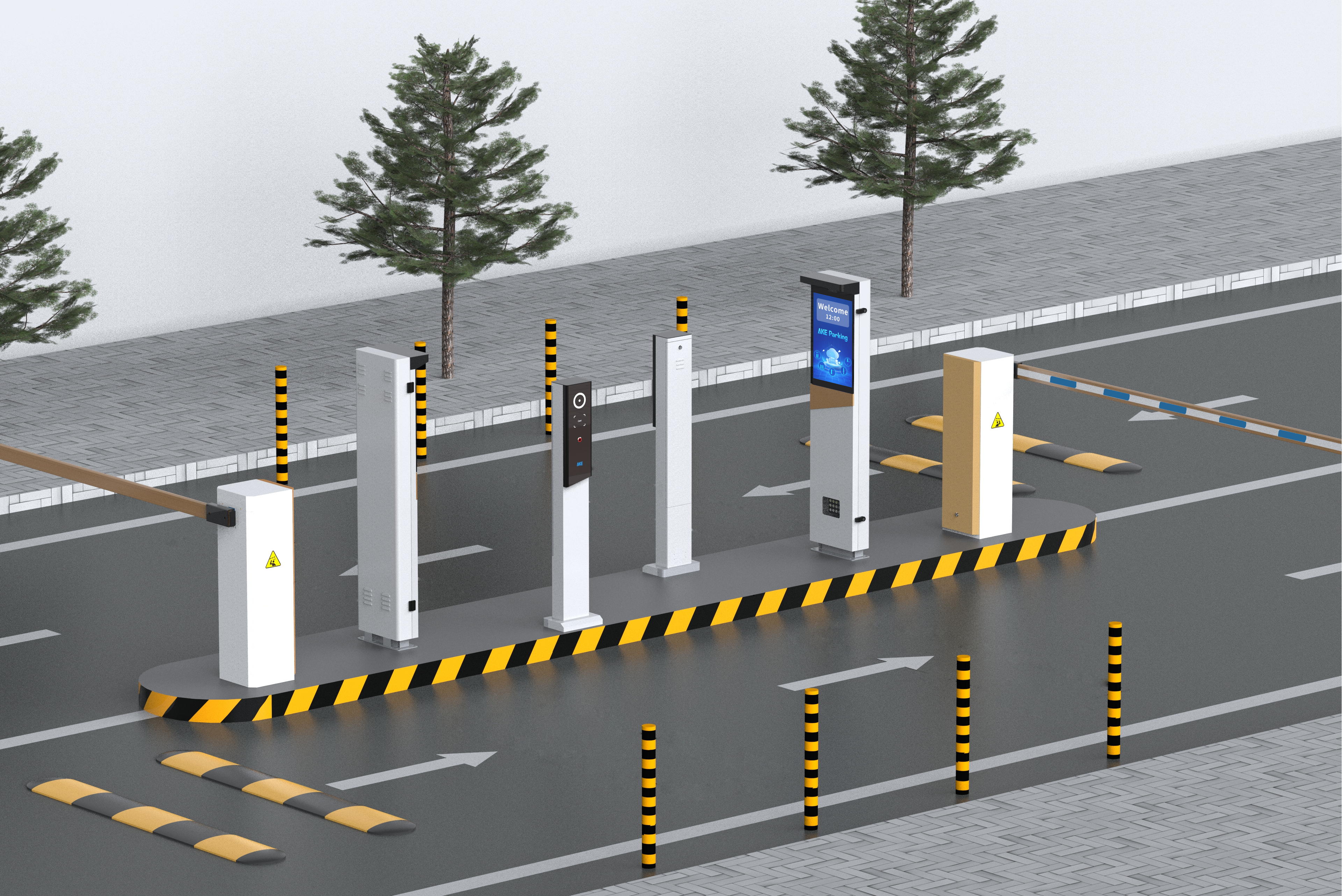
Removing the attendant beside a lane shifts assistance to another location. A driver facing a payment, recognition, or access question still needs a reachable service route. Our Voice Parking Help Point Terminal connects that driver with the management office through standard network communication and cloud-based voice transmission. Assistance planning for lpr parking management systems must identify who receives the request and what information is available.
Our Video Parking Help Point Terminal adds instant two-way video contact with a control room or service center. Its screen presents dynamic QR codes, payment information, and interaction prompts, with cloud communication and platform-interface integration supported.
Within a parking permit management system arrangement, the receiving staff member applies the agreed authority for the reported problem. A video call left unanswered exposes a service gap despite the installed assistance terminal.
Failing to Assign Emergency Release Responsibilities
Emergency hardware behavior can be specified while the surrounding operational response remains unwritten. Our Smart Barrier Gate provides automatic opening during a power failure and fire alarm linkage.
A parking permit management system plan needs to identify who oversees the resulting passage condition and communicates it to the operating team. These responsibilities belong in the emergency arrangement before an actual interruption occurs.
Loop anti-smashing is provided, with infrared or pressure-wave expansion available for specified installations. The safety review for lpr parking management systems needs to identify the devices actually installed and the expected response around their detection areas.
After an exceptional release, the operating procedure can assign who confirms the site’s agreed control arrangement has resumed. An available expansion option needs a recorded installation decision.
Accepting One Successful Passage as Sufficient Proof
A test limited to an enrolled driver’s ordinary arrival does not examine the assumptions behind the configuration. The acceptance schedule for lpr parking management systems can include expired eligibility, an inappropriate destination, a refused request, and a call for assistance. Each situation asks a different management question, allowing the receiving team to compare the intended rule with both the lane response and the staff action.
Acceptance of a parking permit management system can also examine the agreed power-failure and fire-alarm responses through controlled test arrangements. Identify the person responsible for each response and record what the equipment and service team are expected to do.
A refused admission needs an understandable next step for the driver, while an emergency response needs the assigned operational follow-through. Instructions to drivers belong in that response.
A handover review can expose these omissions before the receiving team encounters its first difficult admission request. Current eligibility, selected motion, reachable assistance, emergency roles, and varied acceptance cases give that review concrete subjects.
The prevention task is to finish the management decisions around the installed equipment. Treat unresolved decisions in any of these five areas as gaps in operational readiness.