Finding a vacant parking space can become difficult when drivers enter a large commercial garage, office complex, residential development, or public facility without clear information. Drivers may circle multiple aisles, while operators struggle to distribute vehicles efficiently across available spaces. Advanced parking management systems address this challenge by connecting parking-space detection, data processing, and directional displays into a coordinated guidance workflow.
At AKE Parking, we provide smart parking solutions that combine parking guidance with other access and management technologies. For B2B customers, understanding how real-time guidance works is important when planning a new parking facility or upgrading an existing one.

How Does Real-Time Parking Guidance Work?
A real-time parking guidance system generally starts with occupancy detection. Sensors or other detection technologies determine whether individual parking spaces are occupied or available. The resulting information is then processed by the parking management system and presented to drivers through appropriate displays.
The purpose is not simply to count empty spaces. The system needs to turn occupancy information into useful guidance at the right points along the driver’s route.
For example, an entrance display can show available spaces by zone or floor before drivers enter deeper into the facility. Inside the garage, directional displays can communicate available-space information and arrows at junctions, helping drivers make decisions as they move through different areas.
AKE’s Entrance Parking Guidance Display is designed to show real-time available spaces by zone or floor, while its LED Indoor Parking Guidance Display can present available spaces, directional arrows, and management messages.
What Technologies Support Advanced Parking Management Systems?
Different parking environments require different detection approaches. Indoor garages, for example, can use ultrasonic parking guidance sensors to detect whether individual spaces are occupied.
AKE’s Ultrasonic Parking Guidance Sensor uses non-contact ultrasonic ranging to detect parking-space status in real time. It is designed for indoor environments such as underground garages in commercial complexes, office buildings, residential communities, and large public venues. The sensor can work with parking indicator lights to provide drivers with a clear visual indication of space availability.
The detection layer is only one part of the system. A complete solution also needs communication, data processing, displays, and appropriate management logic. This is why project teams should evaluate the entire workflow rather than selecting sensors and signs independently.
Why Are Displays Important for Real-Time Guidance?
Real-time parking information is useful only when drivers can understand it quickly. Display location, message format, directional arrows, and the timing of information all affect how effectively drivers can navigate the facility.
An entrance display can provide an overview before a driver commits to a particular floor or zone. Further inside the garage, directional displays can provide more localized information at intersections and key decision points.
AKE’s LED Indoor Parking Guidance Display supports one-way, two-way, and three-way models for different lane configurations, including straight lanes, T-junctions, and crossroads. It is intended to communicate available spaces and directional information within indoor parking environments.
For system integrators and parking operators, this illustrates an important design principle: the display hierarchy should correspond to the physical layout and the decisions drivers need to make.
What Should Car Park Management System Suppliers Evaluate?
When comparing car park management system suppliers, B2B buyers should evaluate more than individual product specifications. They should consider how detection equipment, displays, management software, access control, and other components work together.
The parking layout is one of the first considerations. A multi-level commercial garage may require different guidance points from a smaller office parking facility. Project teams should identify parking zones, ramps, intersections, entrances, exits, and major driver decision points before determining equipment quantities and locations.
Integration is another consideration. A parking guidance system may need to work alongside LPR and barrier systems, payment functions, access control, or other parking technologies. A supplier capable of providing multiple components can simplify project coordination and reduce the risk of disconnected systems.
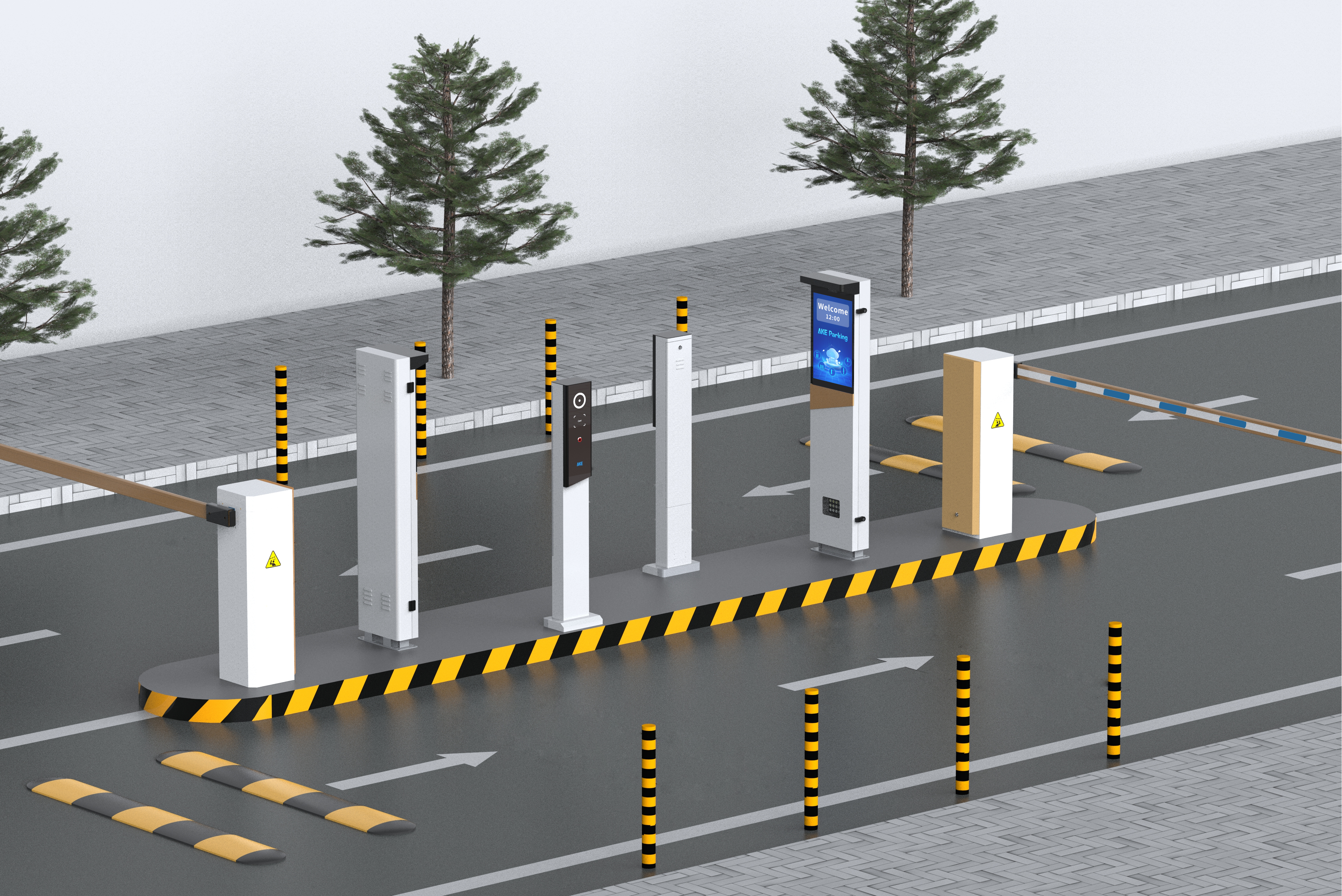
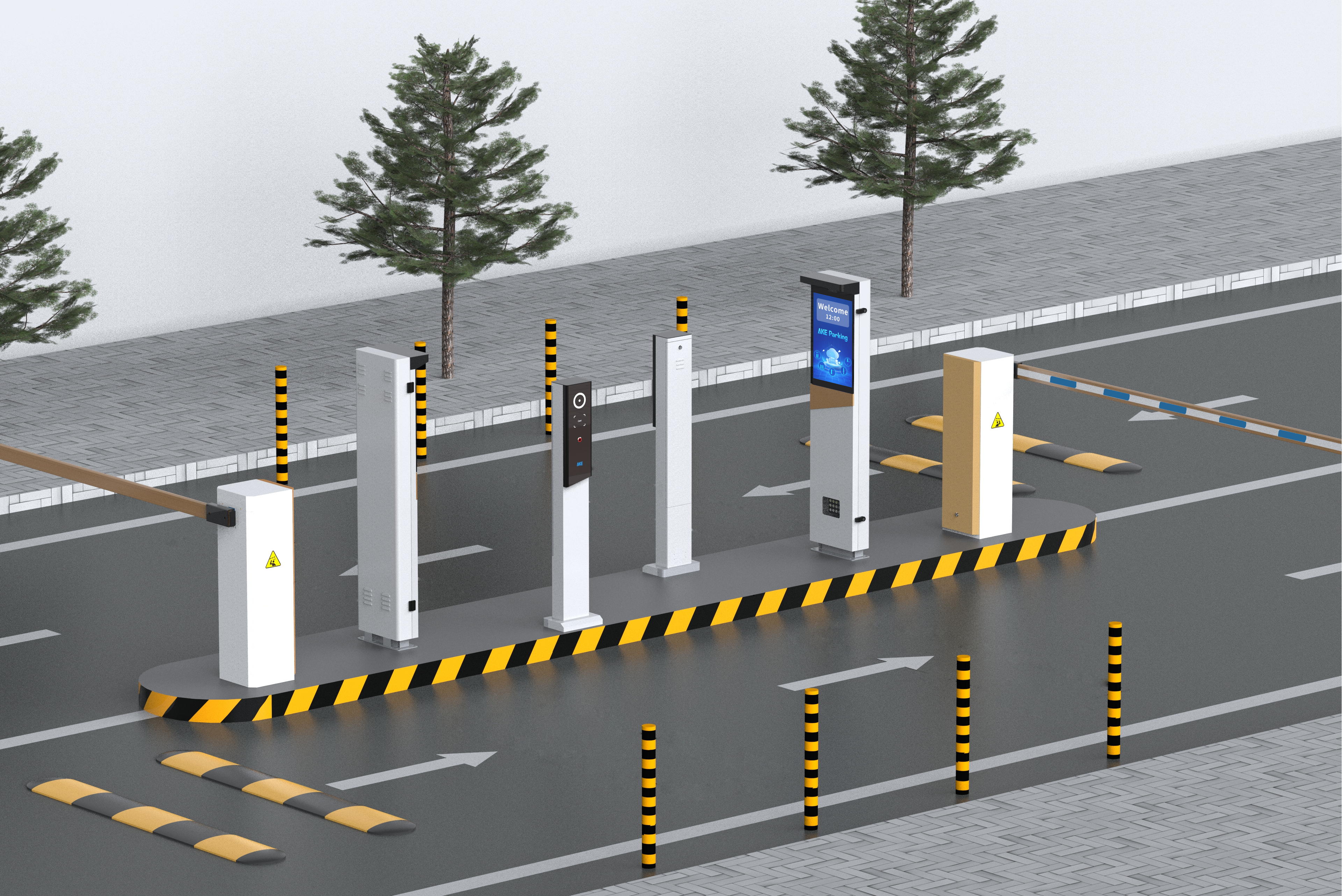
AKE’s product portfolio includes LPR and barrier systems, parking guidance systems, curbside management, identity and access authentication, pedestrian turnstiles, and RFID access control systems. This broader portfolio allows us to approach parking projects as integrated operational systems rather than isolated hardware installations.
How Can AKE Parking Support Real-Time Parking Guidance?
At AKE Parking, we focus on providing integrated parking and access solutions for professional customers, including system integrators, parking operators, channel partners, and project builders. Our solutions include parking guidance products designed to help facilities provide clearer information about parking availability and vehicle movement.
We can support different parts of the parking guidance workflow, from occupancy detection to entrance information and indoor directional displays. Our approach is to consider the actual project environment, traffic flow, system interfaces, and operational requirements before recommending an equipment configuration.
For B2B parking projects, real-time guidance should therefore be viewed as more than a collection of sensors and LED signs. It is an information system that connects parking-space status with driver decisions and facility operations.
By combining appropriate detection technology, clear information displays, and integrated parking management, we help our customers develop parking environments that make available-space information easier to access and parking operations easier to manage.