As parking facilities become more complex, managing vehicle access, parking spaces, payments, and operational data manually can become difficult. For shopping malls, office buildings, residential communities, airports, industrial parks, and other high-traffic facilities, software plays an increasingly important role in coordinating different parking functions.
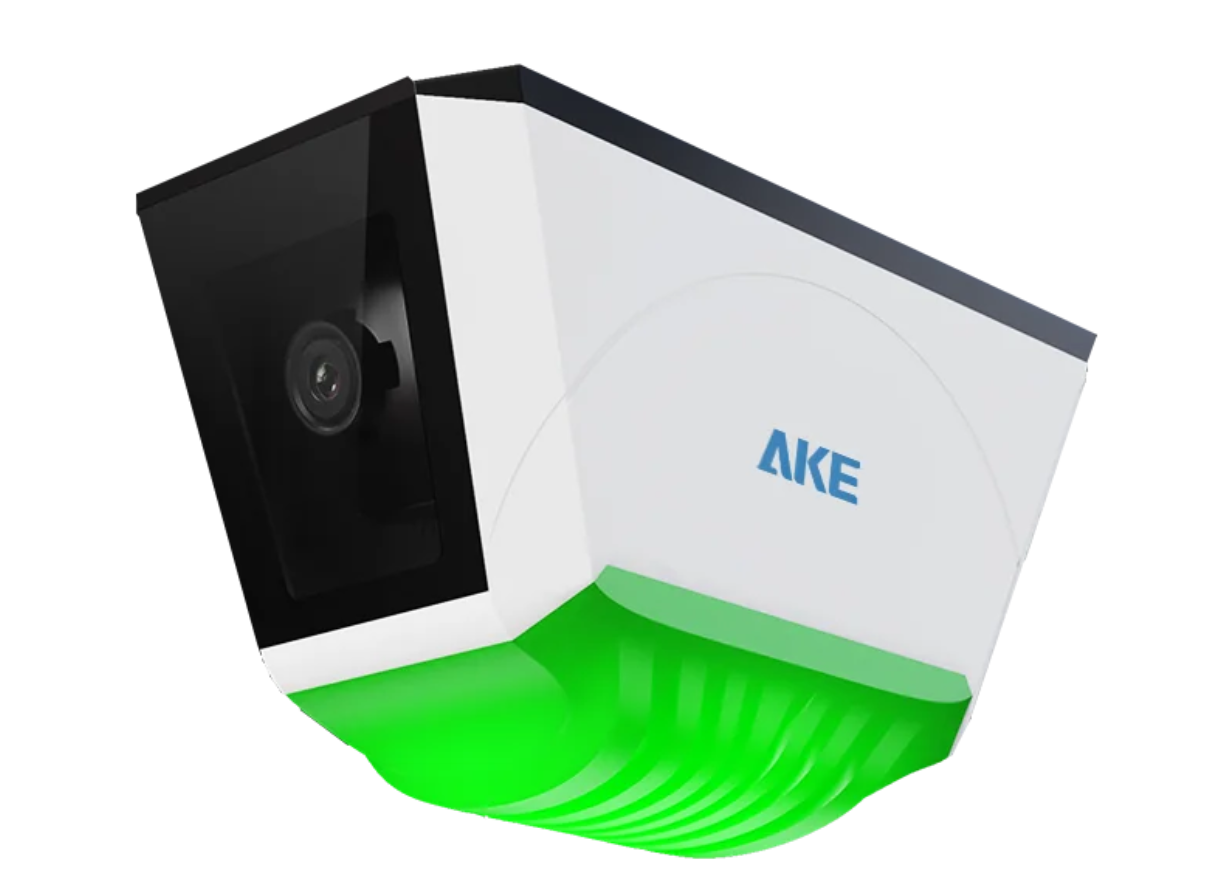
At AKE Parking, we provide integrated smart parking and access solutions for B2B customers. Our approach connects parking management software with hardware such as LPR cameras, barrier gates, parking guidance equipment, and access-control devices. This allows operators and project partners to manage parking as an integrated system rather than a collection of independent devices.
What Is Car Parking Management System Software?
Car parking management system software is the software layer used to coordinate and manage parking operations. Depending on the project design, it can connect vehicle identification, entry and exit control, parking guidance, payment-related processes, access authorization, and operational monitoring.
The exact functions depend on the selected system and project requirements. Therefore, B2B buyers should avoid evaluating software only by the number of features listed in a brochure. Instead, they should examine how well the software connects with the site’s actual equipment, operating rules, and management workflow.
What Are the Main Types of Parking Management Software?
Parking software can be classified by its primary operational purpose.
Access management software focuses on controlling vehicle entry and exit. It can work with LPR technology, barriers, RFID, or other authentication methods to determine whether a vehicle or user is authorized.
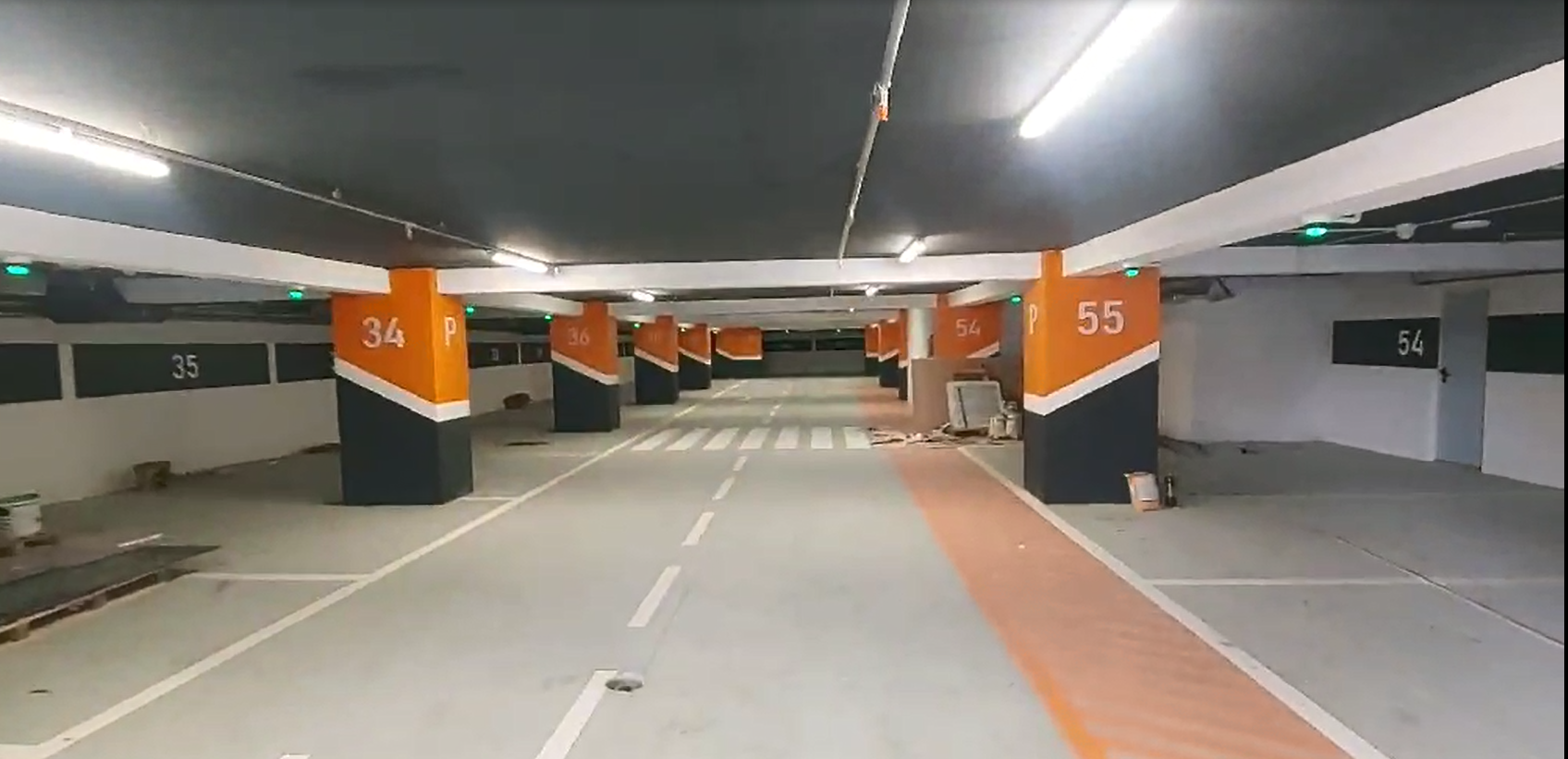
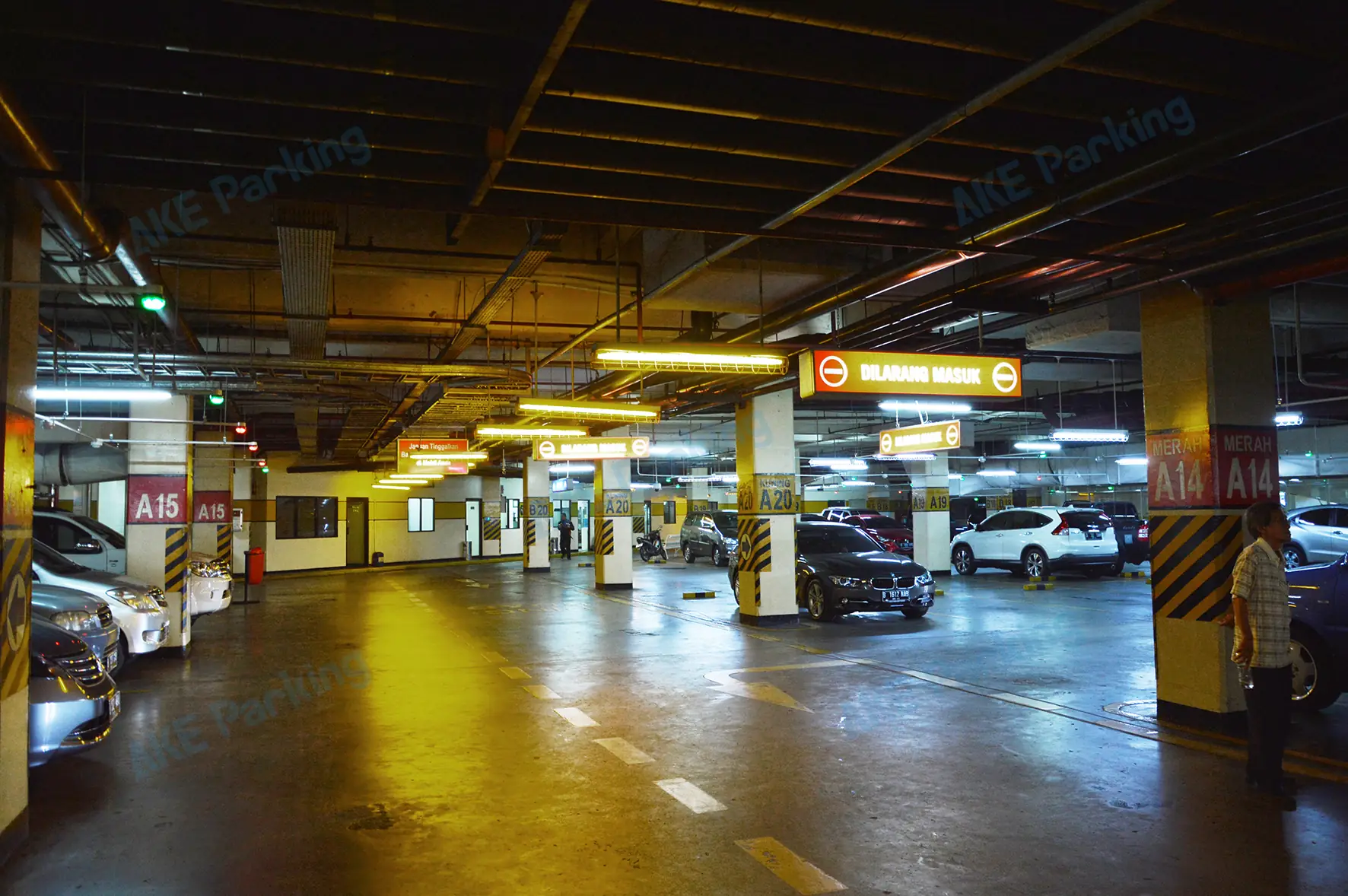
Parking guidance software focuses on helping drivers locate available spaces. It can collect occupancy information and communicate availability through entrance displays, indoor LED displays, or other guidance devices.
For example, our entrance parking guidance display can show available spaces by zone or floor, while our indoor LED display provides available-space information and directional guidance.
Parking operations software focuses on centralized management. It can help operators monitor parking activity, equipment status, access events, and other operational information from a management interface.
In larger projects, these functions may be integrated rather than deployed as completely separate systems.
How Is Parking Management Software Used in Real Projects?
The use case depends on the facility’s operating model.
In a shopping mall, software can coordinate vehicle entry and exit while working with parking guidance to distribute vehicles across available areas.
In an office building or residential community, access rules can be used to distinguish authorized vehicles, visitors, and other users. This can help property managers establish more consistent access procedures.
For airports and transport hubs, where traffic volumes can change significantly, integrated access and parking management can help operators coordinate vehicle flow and monitor operations.
For industrial and logistics facilities, software can support controlled access for different vehicle groups and connect parking management with broader site-access requirements.
AKE currently identifies shopping malls, office buildings, residential communities, airports and transport hubs, smart cities, and industrial/logistics parks among its solution scenarios.
What Are the Core Functions to Look For?
When evaluating car park management system suppliers, we recommend looking at the complete operational workflow rather than focusing on one software feature.
First, vehicle identification and access control are fundamental. LPR and barrier systems can identify vehicles and control entry and exit, while RFID and other authentication technologies can support different access requirements.
Second, parking guidance can help drivers find available spaces more efficiently. This is particularly useful in multi-level or large facilities where drivers may otherwise spend considerable time searching.
Third, centralized monitoring gives operators a clearer view of parking activity and system status. This can reduce dependence on manual checks and make it easier to identify operational exceptions.
Fourth, system integration is critical for B2B projects. Parking software may need to communicate with barriers, LPR equipment, guidance displays, payment systems, access-control platforms, or third-party systems. AKE specifically promotes open integration and customized solutions for different project requirements.
How Should Businesses Choose a Parking Software Supplier?
We recommend starting with the project’s operating requirements instead of choosing software based solely on a feature list.
Project teams should consider the number of parking spaces, expected traffic volume, entry and exit configuration, authentication methods, parking guidance requirements, payment workflow, network environment, third-party integrations, and future expansion plans.
The supplier’s implementation capability also matters. AKE supports B2B customers through consultation, customized solution design, production and delivery, deployment, technical documentation, and ongoing support.
For project owners, integrators, and parking operators, AKE Parking provides integrated parking hardware, access control, and software solutions designed around different operating environments.
Our product portfolio includes LPR and barrier systems, parking guidance systems, curbside management, identity and access authentication, pedestrian turnstiles, and RFID access control systems.
Ultimately, effective parking management software should do more than record transactions. It should connect the major stages of parking operations, provide useful information to operators, and work reliably with the hardware and systems deployed at the site. For B2B projects, evaluating these capabilities together can make it easier to select a scalable parking solution that matches actual operational requirements.