Unattended parking is becoming increasingly attractive for commercial properties, residential communities, airports, offices, and other high-volume facilities. By reducing dependence on cashiers and manual gate operators, automated parking can extend operating hours while helping parking operators control labor costs. However, automation does not mean that every transaction will proceed without exceptions. Unreadable license plates, failed payments, communication interruptions, barrier faults, and unusual vehicle permissions can still occur.
For operators and car park management system suppliers, the real challenge is therefore not simply automating normal parking transactions. It is designing an operating process that can identify, record, and resolve exceptions without turning every abnormal event into a manual intervention.
What Are the Most Common Exceptions in Automated Parking Management Systems?
A well-designed automated parking management systems solution should anticipate exceptions from the beginning. Common examples include a license plate that cannot be recognized correctly, a vehicle entering with an incomplete authorization record, an unpaid parking fee, or a barrier that does not respond as expected.
Network interruptions can create another important scenario. If communication between field equipment and the management platform is temporarily unavailable, operators need a defined fallback process. Similarly, emergency vehicles, VIP vehicles, maintenance vehicles, and other authorized special vehicles may require rules that differ from ordinary visitors.
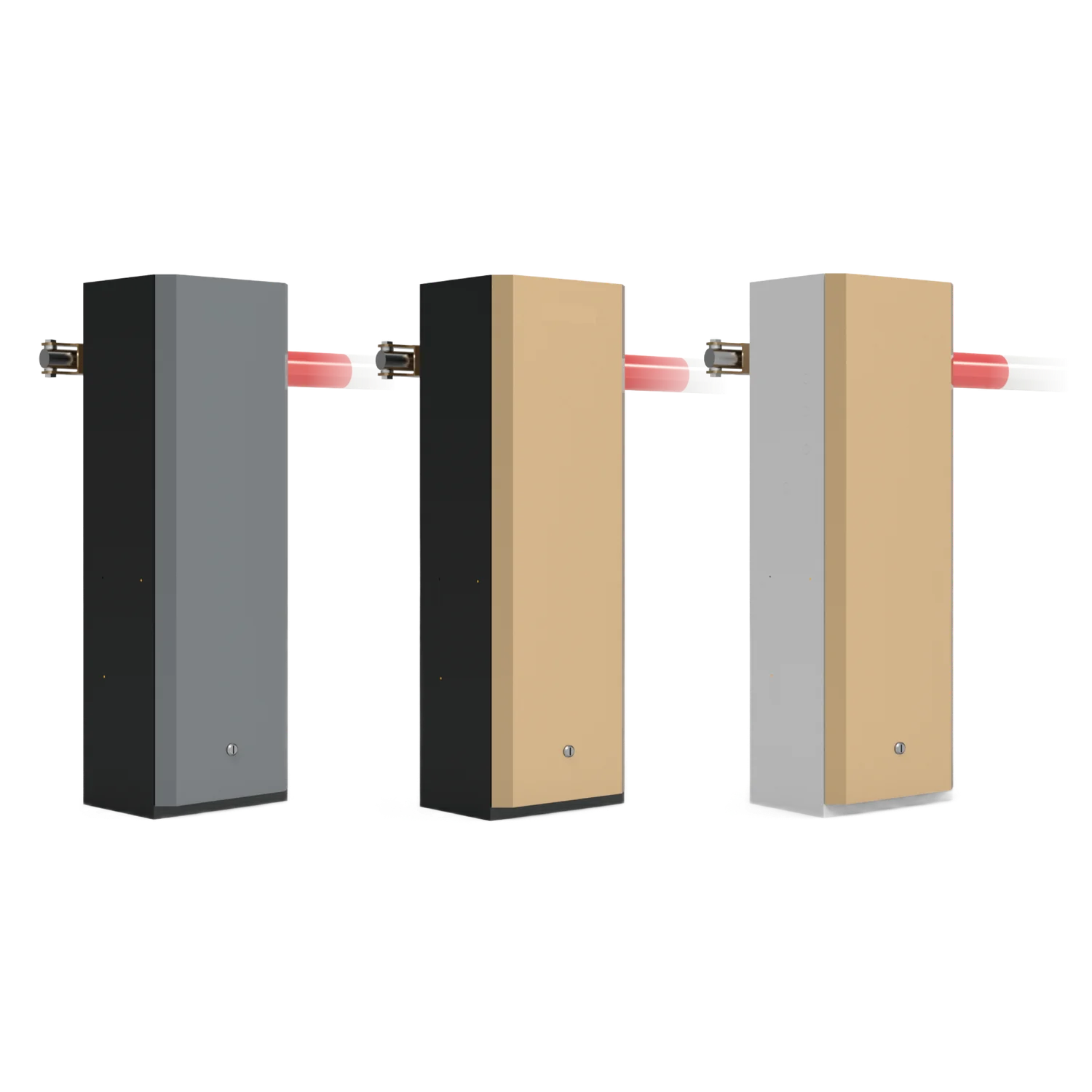
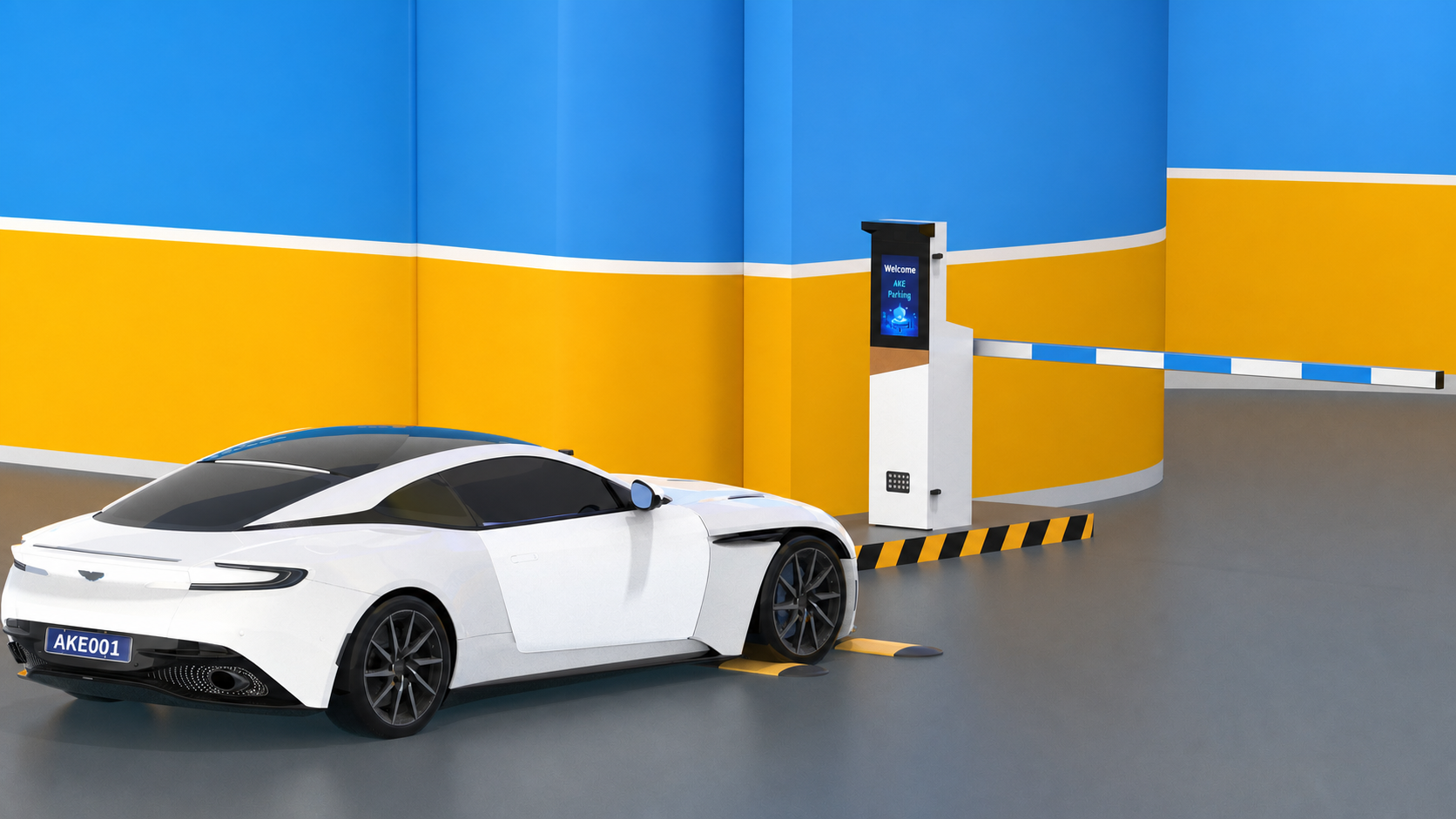
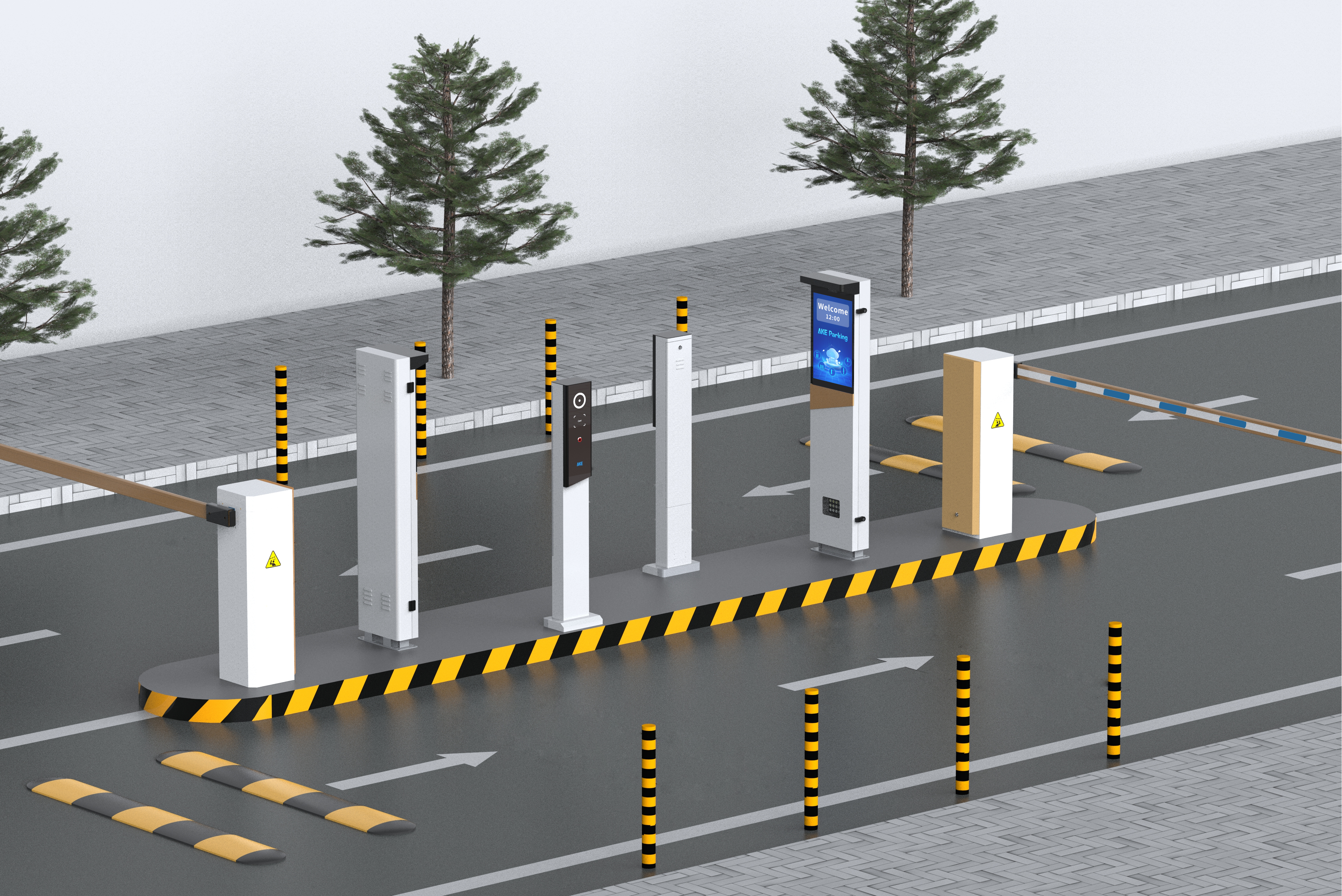
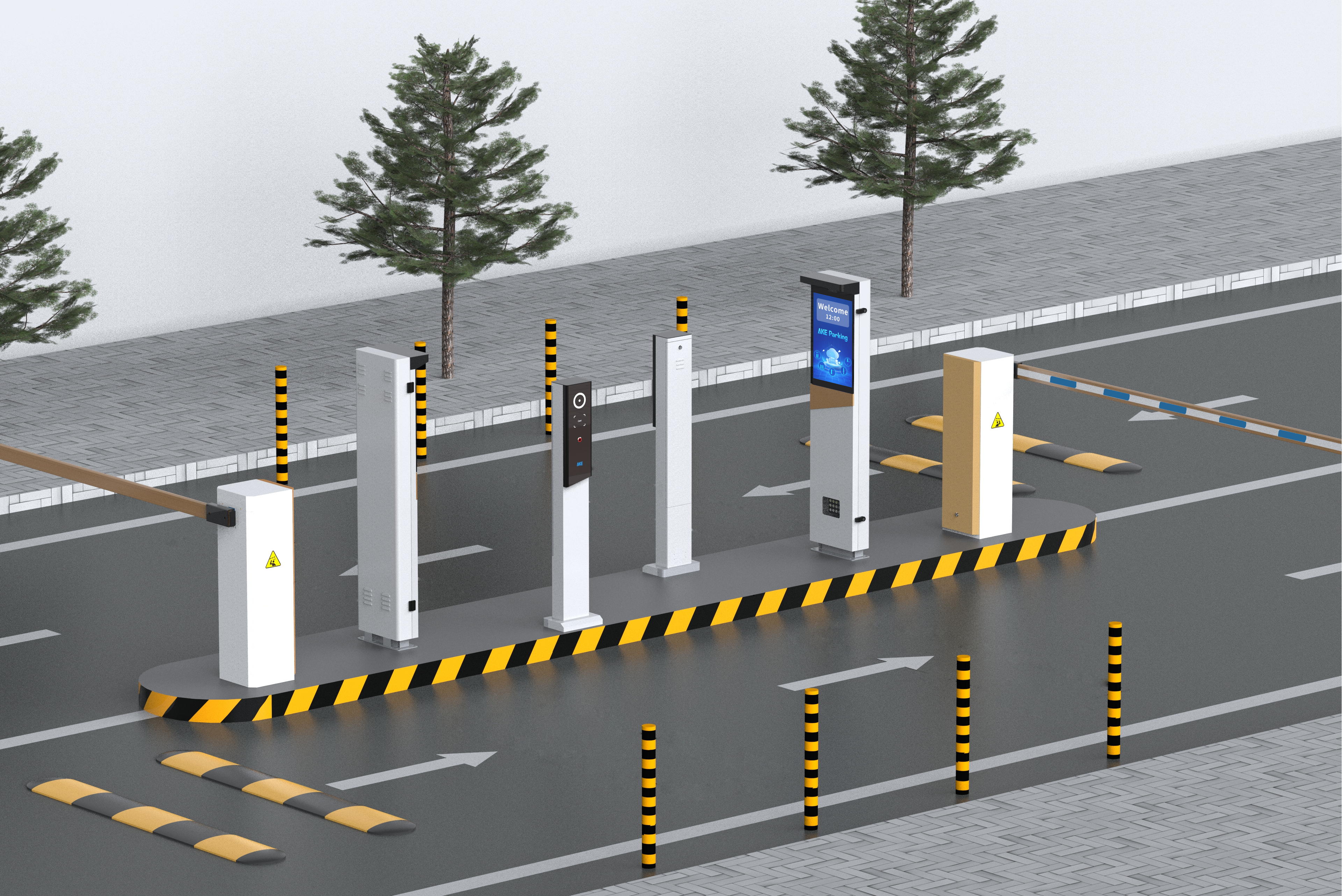
The important principle is to treat these situations as predefined workflows rather than unexpected failures. AKE’s parking-management approach includes LPR access, barrier control, parking guidance, payment-related functions, monitoring, and operational management as connected parts of the parking environment.
How Should an Automated Parking System Detect and Classify Exceptions?
The first step is event detection. A management platform should collect information from the relevant field devices and identify when a transaction does not follow the expected process.
For example, an LPR camera may produce an unreadable or uncertain plate result. Instead of simply rejecting the vehicle, the system can route the event into a manual verification process. A payment exception can similarly be recorded and directed toward an appropriate payment or operator workflow.
Exception classification is particularly important for B2B parking projects because different events require different responses. An unreadable plate is not the same operational problem as an unauthorized vehicle, and neither should automatically trigger the same response.
How Can Operators Resolve Unattended Parking Exceptions?
Effective exception handling usually combines automation with controlled human intervention. When the system cannot complete a transaction automatically, the operator should be able to review the event, verify relevant information, and apply an authorized action.
Useful functions can include manual license-plate correction, emergency barrier release, manual payment collection, permission-based vehicle release, and centralized event monitoring. AKE’s published parking-management guidance specifically identifies manual plate correction, emergency release, and manual fee collection as useful fallback capabilities for challenging operating conditions.
The goal is not to eliminate operators completely. Instead, operators should focus on exceptions while routine vehicles continue through automated processes.
What Should B2B Buyers Check When Selecting a Parking System?
When comparing suppliers, buyers should look beyond recognition rates or individual hardware specifications. They should examine how the complete system behaves when normal operations fail.
A project evaluation should ask:
- Can operators identify exceptions from a centralized management platform?
- Can staff correct an incorrect vehicle record when necessary?
- What happens if network communication is interrupted?
- How are emergency and authorized vehicles handled?
- Can payment exceptions be reviewed and reconciled?
- Can the system integrate access control, parking guidance, and other equipment?
- Is technical documentation available for installation and troubleshooting?
These questions are especially relevant when selecting a solution for a large commercial facility or multi-site parking operation. AKE provides integrated parking and access solutions covering LPR and barrier systems, parking guidance, curbside management, identity authentication, pedestrian turnstiles, and RFID access control.
How Does AKE Parking Approach Unattended Parking Operations?
At AKE Parking, we focus on connecting parking hardware, software, and operational workflows rather than treating each device as an isolated product. Our solutions are designed for environments including shopping malls, office buildings, residential communities, airports, transport hubs, smart cities, and industrial parks.
We also support system integrators, parking operators, project builders, and channel partners that need solutions adapted to specific project requirements.
Our product portfolio includes LPR and barrier systems, parking guidance systems, curbside management, identity and access authentication, pedestrian turnstiles, and RFID access control systems.
For projects where unattended operation is a priority, exception handling should be considered during system design rather than added after installation. Clear workflows, centralized monitoring, controlled overrides, and reliable fallback procedures can help operators maintain continuity when unusual events occur.
For businesses evaluating car park management system suppliers, the best solution is therefore not simply the one that automates ordinary parking transactions. It is the one that also provides a practical and manageable response when those transactions do not go according to plan.
With integrated parking and access technologies, AKE Parking works with global partners to develop smart parking environments that balance automation, operational control, and long-term scalability.