Choosing a parking technology provider is a strategic decision for developers, parking operators, system integrators, and facility managers. A provider is not simply supplying cameras or barrier gates. It may be responsible for connecting vehicle identification, access control, parking guidance, payment, software, data, and ongoing technical support.
When evaluating car park management system suppliers, buyers should therefore look beyond individual product specifications. The more useful question is whether a provider can deliver a complete solution that matches the site’s traffic patterns, operating rules, integration requirements, and future expansion plans.

What Should Buyers Look for in Advanced Parking Management Systems?
The first consideration is solution coverage. A provider with a broad portfolio can potentially reduce the complexity of coordinating equipment from multiple manufacturers.
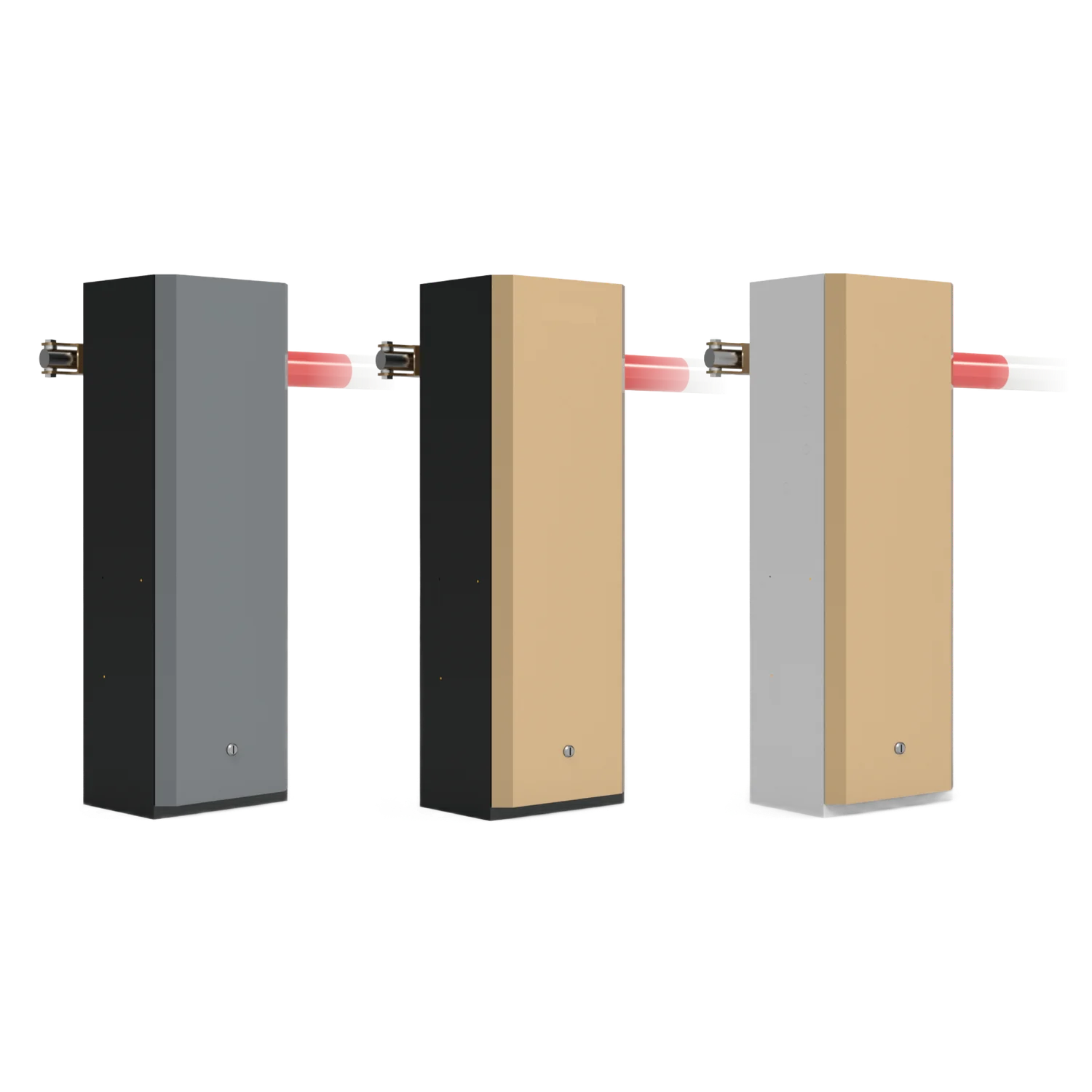
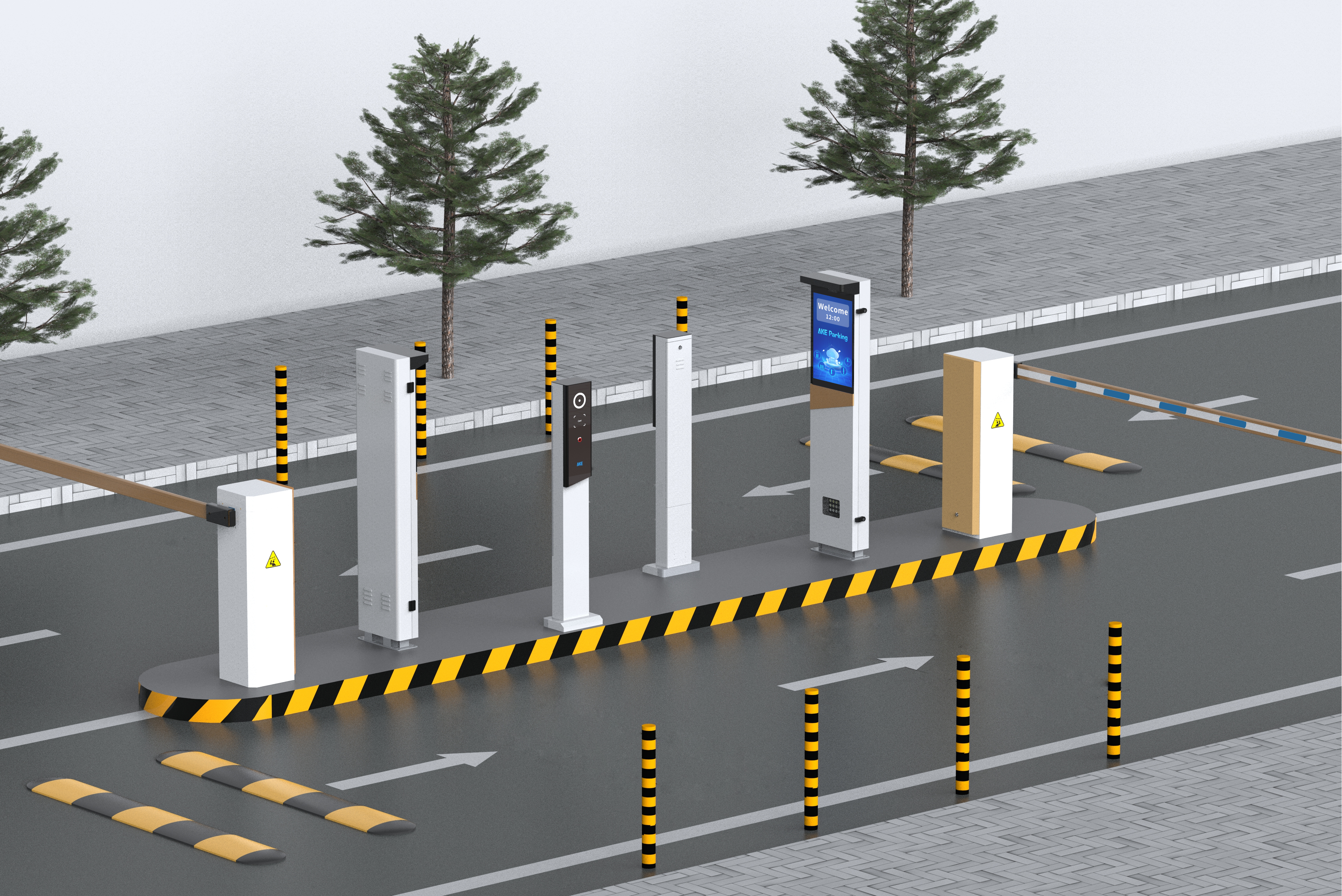
For example, our product portfolio covers LPR and barrier systems, parking guidance systems, curbside management, identity and access authentication, pedestrian turnstiles, and RFID access control systems. This allows us to address different parts of the vehicle and pedestrian journey within one solution framework.
For a B2B project, this matters because entrance control is only one part of parking operations. Buyers may also need space guidance, access authentication, curbside management, and centralized operational control.
How Important Is Integration When Comparing Parking Providers?
Integration should be assessed before equipment is selected. A parking facility may contain LPR cameras, barrier gates, sensors, displays, payment equipment, access credentials, and management software. If these components cannot exchange information effectively, operators may face fragmented workflows and additional maintenance requirements.
We design our solutions around connected parking and access workflows. Our official solution portfolio also emphasizes open integration with existing platforms, devices, and third-party systems. For project teams, this means integration requirements can be considered during solution design rather than treated as an afterthought.
Buyers should ask potential suppliers which interfaces they support, how third-party systems are connected, and how responsibilities are divided between hardware, software, and integration teams.
Can the Provider Customize Solutions for Different Projects?
No two parking facilities operate in exactly the same way. A shopping mall may prioritize traffic turnover, while an office building may focus on employee access. Residential communities may require controlled access for registered vehicles, while industrial parks can involve mixed vehicle categories.
This makes customization another important comparison factor.
At AKE Parking, we provide OEM/ODM options and customized parking and access-control solutions. Our project process starts with consultation and solution design before moving into production, delivery, deployment, and support.
For B2B buyers, this approach can be more practical than choosing standardized equipment first and attempting to adapt the project afterward.
How Should Buyers Evaluate Manufacturing and Quality Control?
Manufacturing capability can influence delivery reliability, product consistency, and after-sales support. Buyers should examine whether the provider has established production processes, quality controls, traceability procedures, and the capacity to support project volumes.
Our manufacturing operations use multiple production lines and professional machines, with product traceability covering materials, production, shipping, and construction. We also provide English technical documentation for international customers. These capabilities support our work with overseas partners and project stakeholders.
Rather than relying solely on marketing claims, procurement teams should request relevant inspection reports, certifications, technical documentation, and quality-control information during supplier evaluation.
Why Do Project References Matter?
A supplier’s experience in comparable environments can reveal more than a product brochure. Buyers should examine whether a provider has delivered systems for facilities with similar traffic volumes, security requirements, vehicle types, and operating conditions.
Our published project portfolio includes commercial complexes, residential developments, transportation hubs, government facilities, and smart-city applications across different markets.
When comparing providers, project references should be assessed for relevance rather than simply counted. A supplier experienced with similar operational challenges can provide more useful guidance during system planning and deployment.
What Technical Support Should Parking System Providers Offer?
The purchase should not end when the equipment is delivered. Installation, configuration, integration, troubleshooting, software updates, documentation, and ongoing technical assistance can all affect the long-term performance of a parking system.
Our project process includes deployment and support, with technical documentation, remote setup guidance, and continuous firmware updates described as part of our service approach.
For international B2B customers, buyers should also confirm response procedures, spare-parts arrangements, training resources, and communication channels before signing a project contract.
Why Consider AKE Parking for a Parking Management Project?
When comparing car park management system suppliers, buyers should evaluate the complete business relationship rather than a single device or initial quotation. A suitable provider should combine reliable hardware, software integration, customization, manufacturing capability, project experience, and long-term support.
At AKE Parking, we develop integrated parking and access solutions for commercial buildings, residential communities, airports, transport hubs, industrial and logistics parks, and smart-city projects. Our goal is to help B2B partners build parking infrastructure that is easier to operate, integrate, and scale.
For organizations evaluating advanced parking management systems, a structured supplier comparison can reduce procurement risks and help ensure that the selected technology matches both current operating requirements and future business objectives.