Parking sensors are one of the key data sources in a smart parking project. They detect whether individual spaces are occupied or available, but the sensing result becomes much more useful when it reaches a management platform that operators can monitor and use for guidance. For system integrators and parking operators, understanding this connection is important when designing an online parking management system.
At AKE Parking, we approach parking as a connected system rather than a collection of independent devices. Our parking solutions combine occupancy detection, guidance equipment, access control, and management technologies to support different project requirements.
How Do Parking Sensors Connect to an Online Parking Management System?
The basic workflow is straightforward: a sensor detects the status of a parking space, sends the information through an appropriate communication method, and the management layer processes the data for monitoring, guidance, or other parking functions.
The exact connection depends on the sensor technology and project architecture. For example, AKE’s Ultrasonic Parking Guidance Sensor uses RS485 communication, while our NB-IoT Parking Sensor uses wireless NB-IoT communication. These approaches suit different deployment conditions.
For an indoor garage, a wired sensor network can connect multiple parking spaces to a controller or related parking guidance infrastructure. For outdoor or curbside applications, a cellular-connected sensor can reduce the need for additional local communication equipment.
What Role Does an Ultrasonic Parking Sensor Play?
An ultrasonic sensor detects vehicle occupancy without physical contact and provides the parking status needed by the guidance system.
Our Ultrasonic Parking Guidance Sensor is designed for indoor parking lots, including underground garages, commercial complexes, office buildings, residential garages, and other parking environments. Its product specifications include a DC 12V–30V operating voltage, rated power of ≤2W, ultrasonic detection, RS485 communication, and a working temperature range of -10°C to 55°C.
The sensor can also directly control parking indicator lights in four colors. This means the sensing layer can contribute not only data to the management system but also immediate visual information for drivers at the parking space.
For a B2B project, the communication interface matters because integrators need to determine how sensors will connect with controllers, displays, software, and the wider network architecture before installation.
When Is Wireless Parking Detection More Suitable?
Wireless sensing can be useful when wiring individual parking spaces would be difficult or costly, particularly in outdoor parking and curbside environments.
Our NB-IoT Parking Sensor uses geomagnetic detection and communicates through an NB-IoT network. According to its current specification, it has dual 38,000mAh batteries, IP68 protection, ≤28-ton pressure resistance, a rated operating temperature of -40°C to +85°C, and a stated vehicle detection accuracy of ≥99.99%. Its listed battery operation is ≥5 years.
The sensor uploads occupancy data remotely through the NB-IoT network, and AKE states that it can operate without an additional ground controller. This can simplify the architecture for suitable outdoor parking and curbside projects.
What Happens to Sensor Data After Detection?
Detection is only the first stage; the system needs to turn that information into useful operational data.
In a typical parking guidance workflow, occupancy information can be collected and processed to determine available spaces by bay, zone, or floor. That information can then be presented through parking guidance displays or made available to operators through the management layer.
Our parking guidance portfolio includes entrance displays that show available spaces by zone or floor and indoor LED displays that communicate available spaces and directional information.
For car park management system suppliers, this data flow should therefore be considered during system design. The sensor, communication method, controller, software, and display should be evaluated as connected components rather than separate purchases.
What Should Integrators Consider When Connecting Sensors?
The right connection architecture depends on the site, not simply on the sensor type.
First, define whether the project is indoor, outdoor, curbside, or mixed-use. Then consider wiring conditions, communication distance, network availability, power supply, maintenance access, and the number of parking spaces that need monitoring.
For wired indoor applications, the communication architecture and controller capacity should be confirmed before deployment. For wireless outdoor applications, network coverage, battery management, installation conditions, and data transmission requirements should be assessed.
We also recommend defining what happens when communication is interrupted. A robust parking project should have a clear process for identifying unavailable or outdated occupancy information rather than treating every missing data point as an available parking space.
How Does AKE Parking Support Connected Parking Projects?
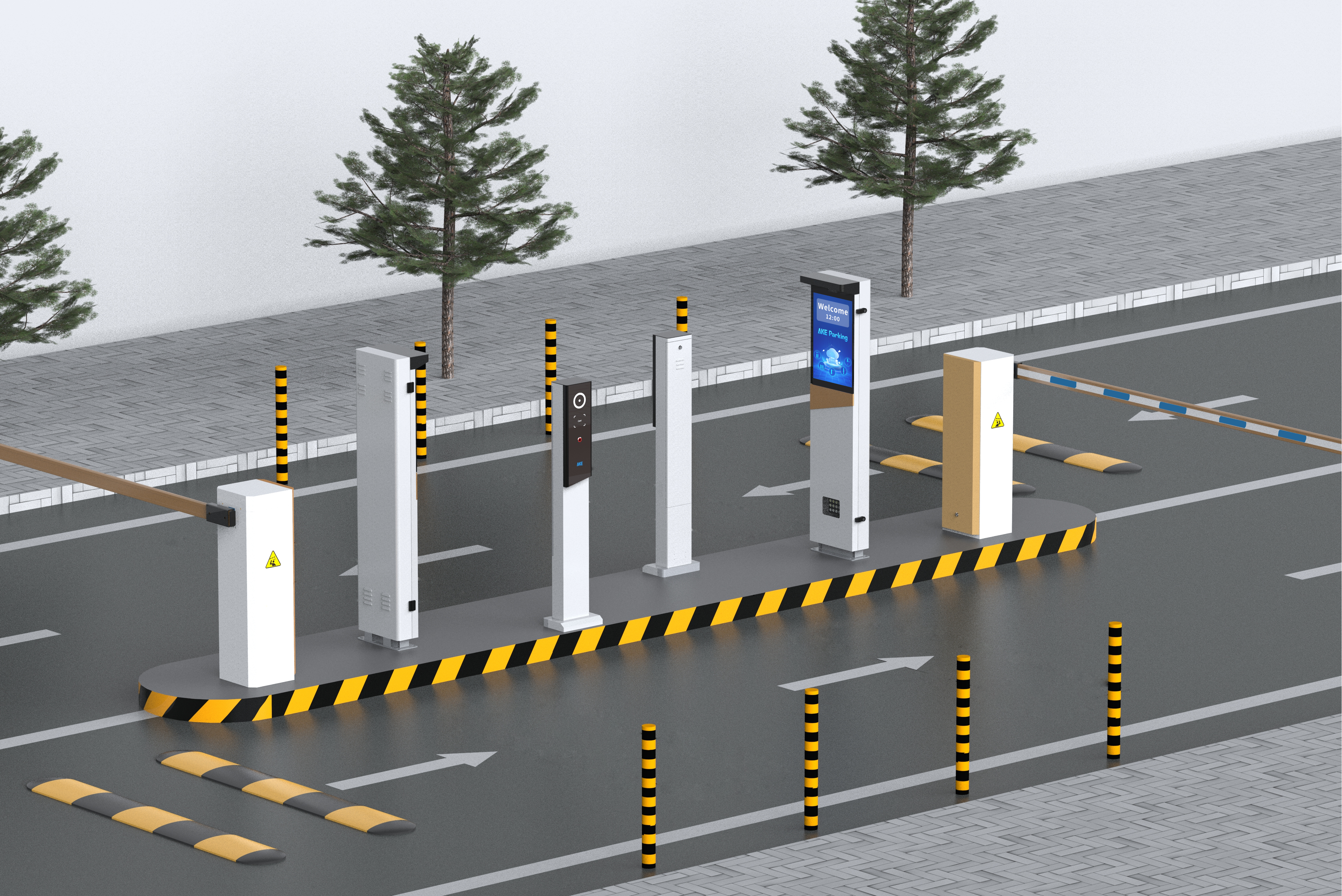
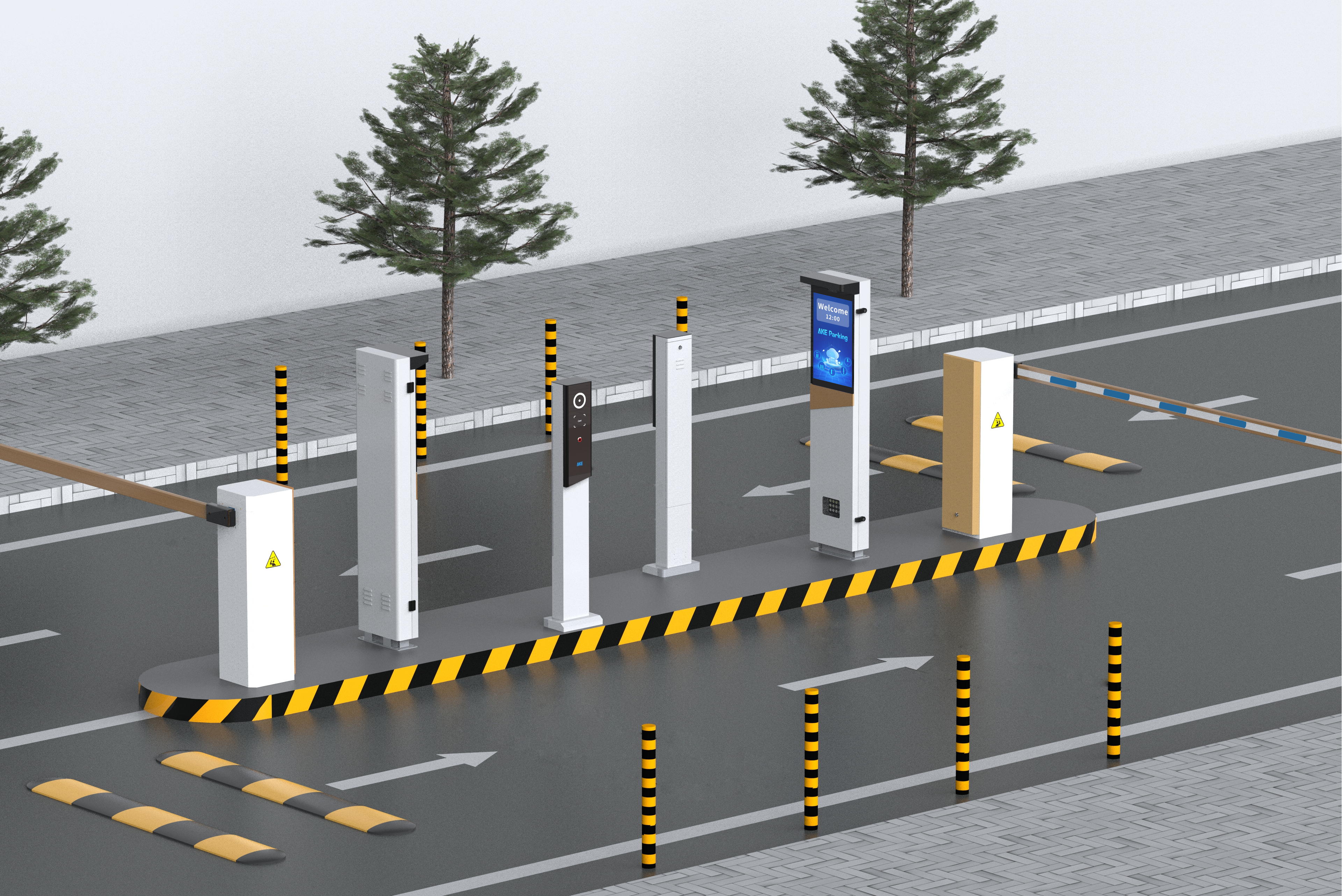
At AKE Parking, we provide parking and access solutions covering LPR and barrier systems, parking guidance systems, curbside management, identity and access authentication, pedestrian turnstiles, and RFID access control systems. Our current product portfolio is designed for global projects that require coordinated parking and access operations.
When planning an online parking management system, we believe the most important question is not simply which parking sensor to purchase. The project team should first define how occupancy data will be detected, transmitted, processed, displayed, monitored, and maintained.
Once that architecture is clear, the appropriate sensing and communication technology can be selected for the actual site. This approach helps our B2B partners build parking systems that are easier to integrate, operate, and support over the long term.