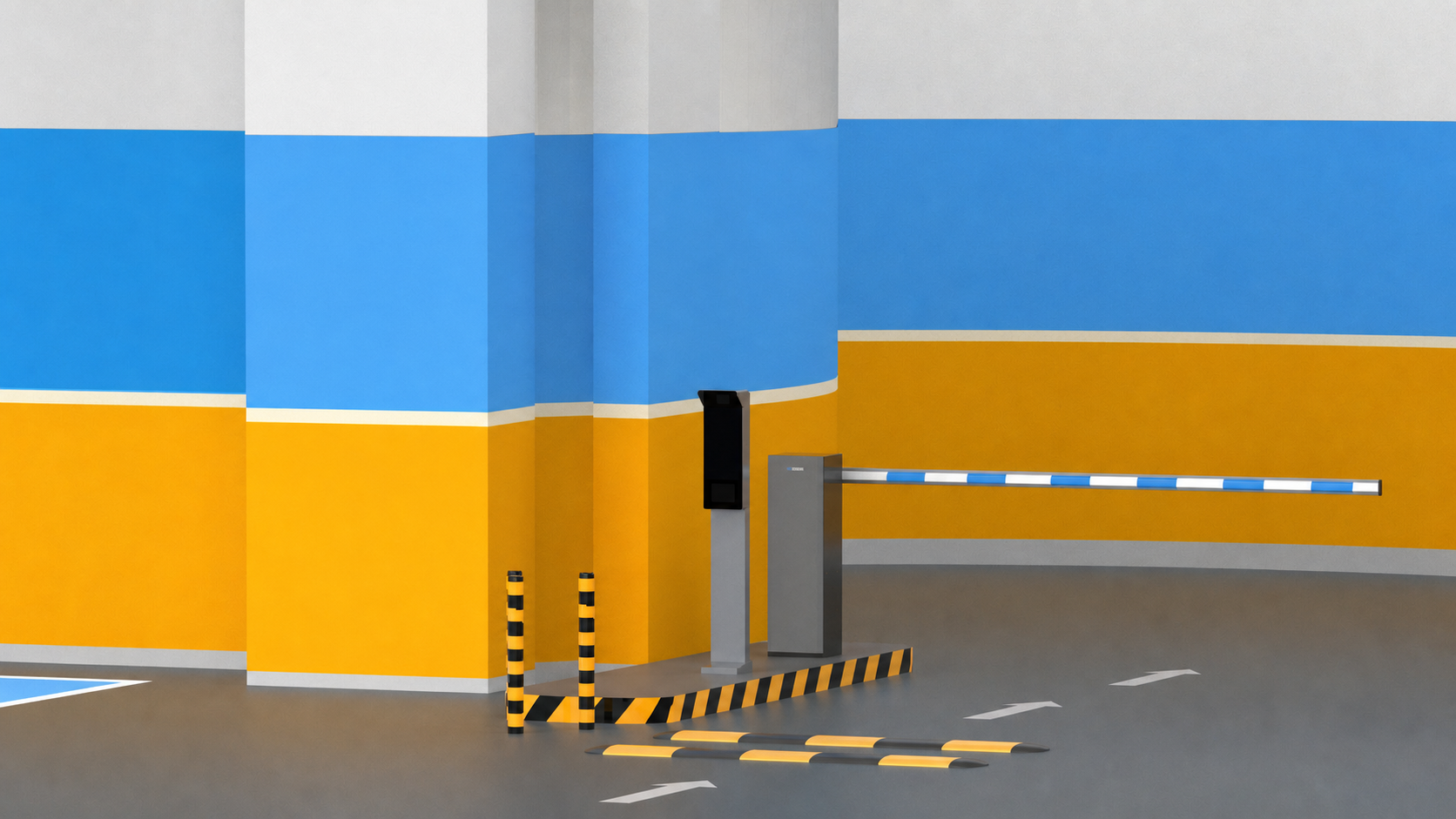
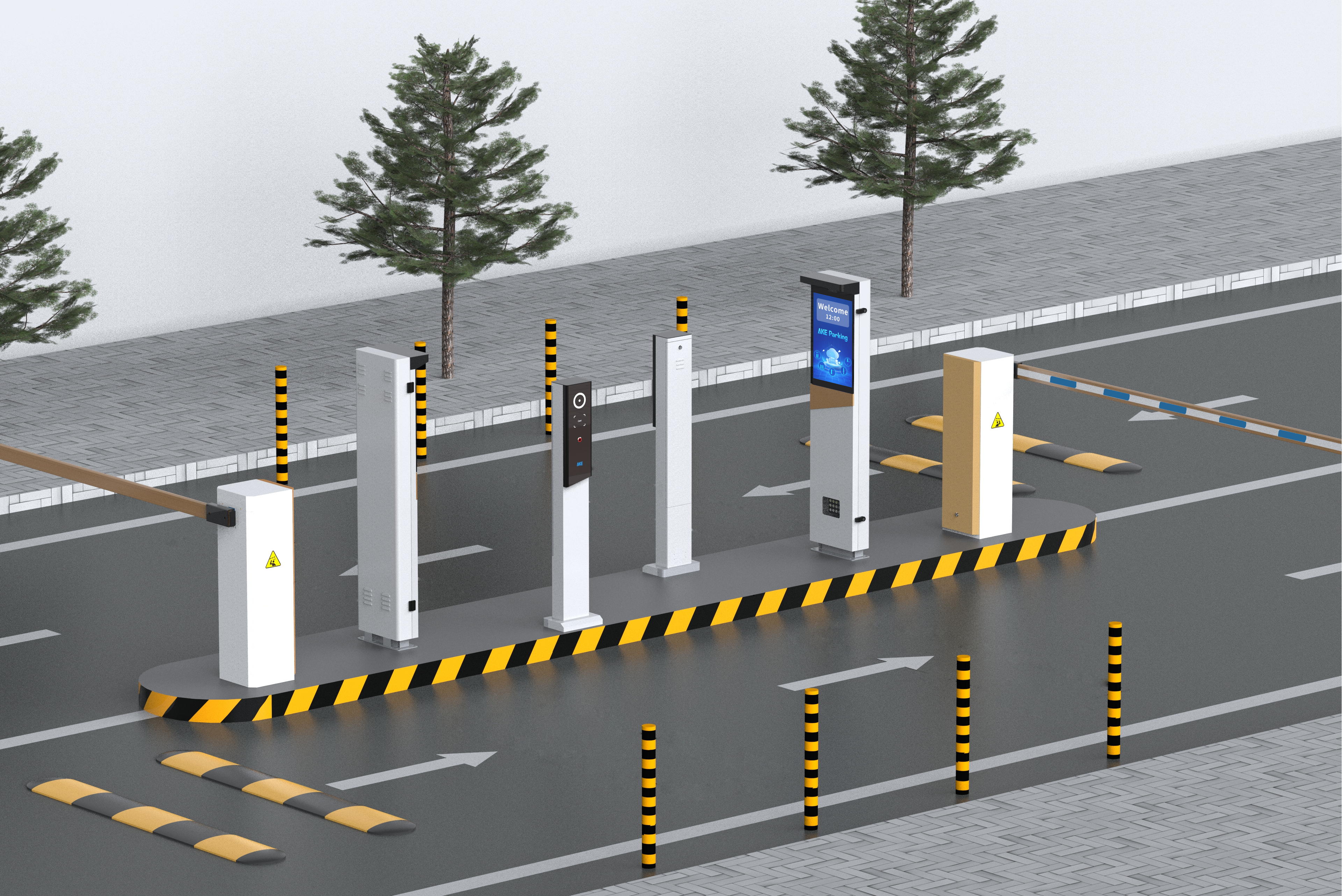
Seconds spent on payment at the barrier repeat for every vehicle in the departing stream. If vehicles reach a lane faster than its current processing pace, the waiting line grows, even though each ordinary transaction appears brief.
Queue reduction changes the work performed at the release point and the capacity available during peaks. The aim is to remove repeated transaction tasks while preserving the checks required for safe vehicle departure.

Exit Queues Grow Around Service Time
The time occupied by one vehicle can include identification, payment confirmation, a driver’s interaction with a terminal, assistance, and release. Some stages may already be complete before arrival; others remain unresolved in the lane. Separating them reveals the actual bottleneck. A barrier that opens promptly cannot compensate for a payment inquiry. If that inquiry holds the lane, the release instruction is delayed.
An automated parking lot management system can coordinate these stages, but its effect depends on the work that still takes place at the exit. A lane serving mostly completed transactions faces a different task from one accepting payments and handling inquiries. The useful comparison is the elapsed lane occupation for each type of departure, together with the number of vehicles arriving during that period.
The operating brief given to car park management system suppliers can distinguish normal releases from payment, identification, and assistance exceptions. Averages alone can hide a few unusually long transactions that stop a shared lane.
Recording the reason for each extended occupation links the queue with a correctable stage. The evidence identifies whether repeated settlement or occasional unresolved cases dominate the waiting time.
Vehicle presence and safe release remain part of the departure arrangement. Faster processing concerns the avoidable work around that action, not an instruction to bypass the site’s safety controls. Lane service time can be reduced in two ways: by completing an earlier task elsewhere, or by clarifying an outstanding condition sooner. The physical passage still occurs under the configured release and safety conditions.
Move Payment Before the Driving Queue
Completing payment before the driver enters the exit lane removes a transaction from the lane’s workload. Exhibition planning can move QR pre-payment and mobile payment away from the vehicle queue. The confirmation must remain associated with the departure event and its valid departure period. A pre-paid vehicle arriving after that period presents a different case from one leaving within the agreed window.
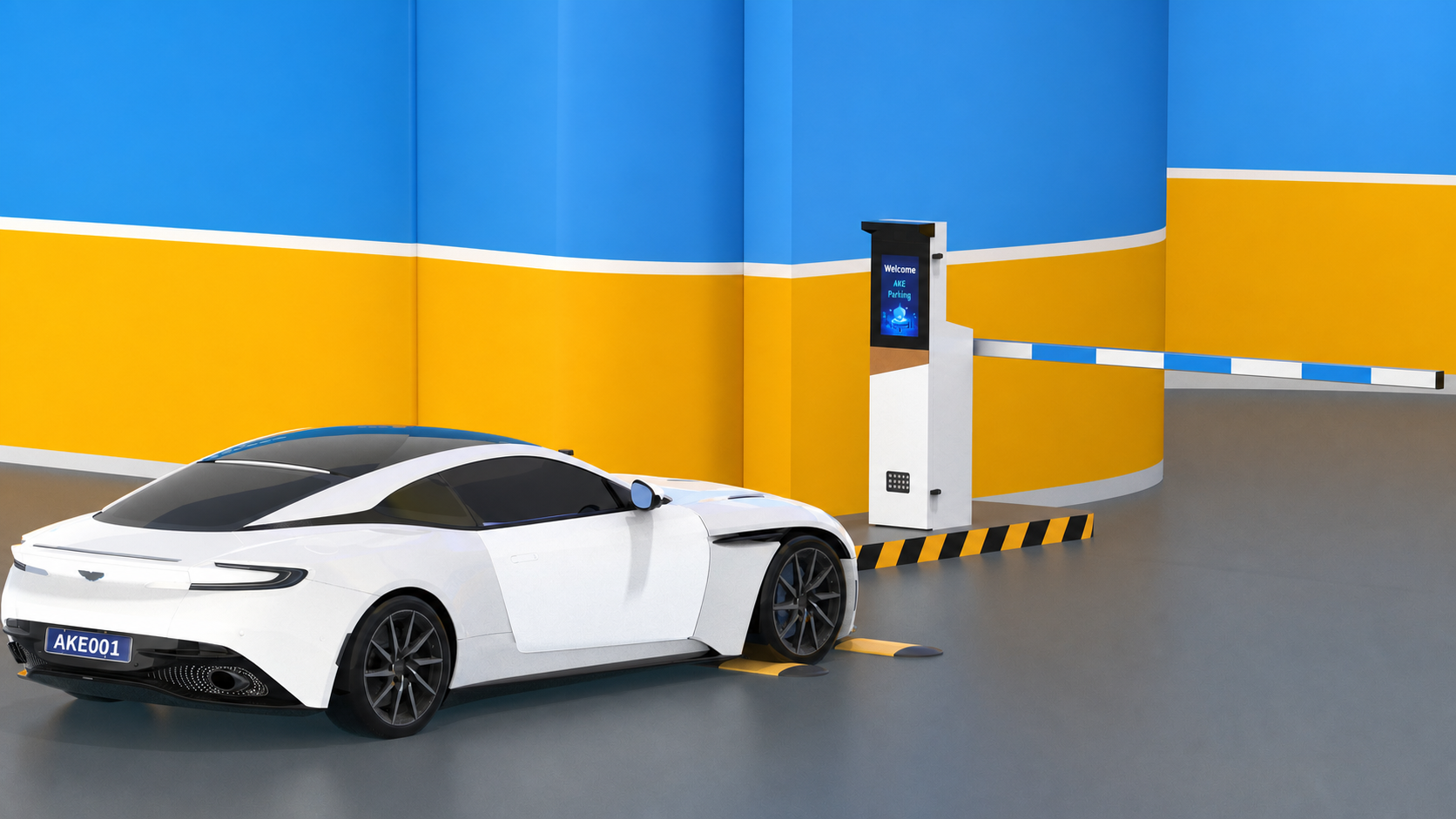
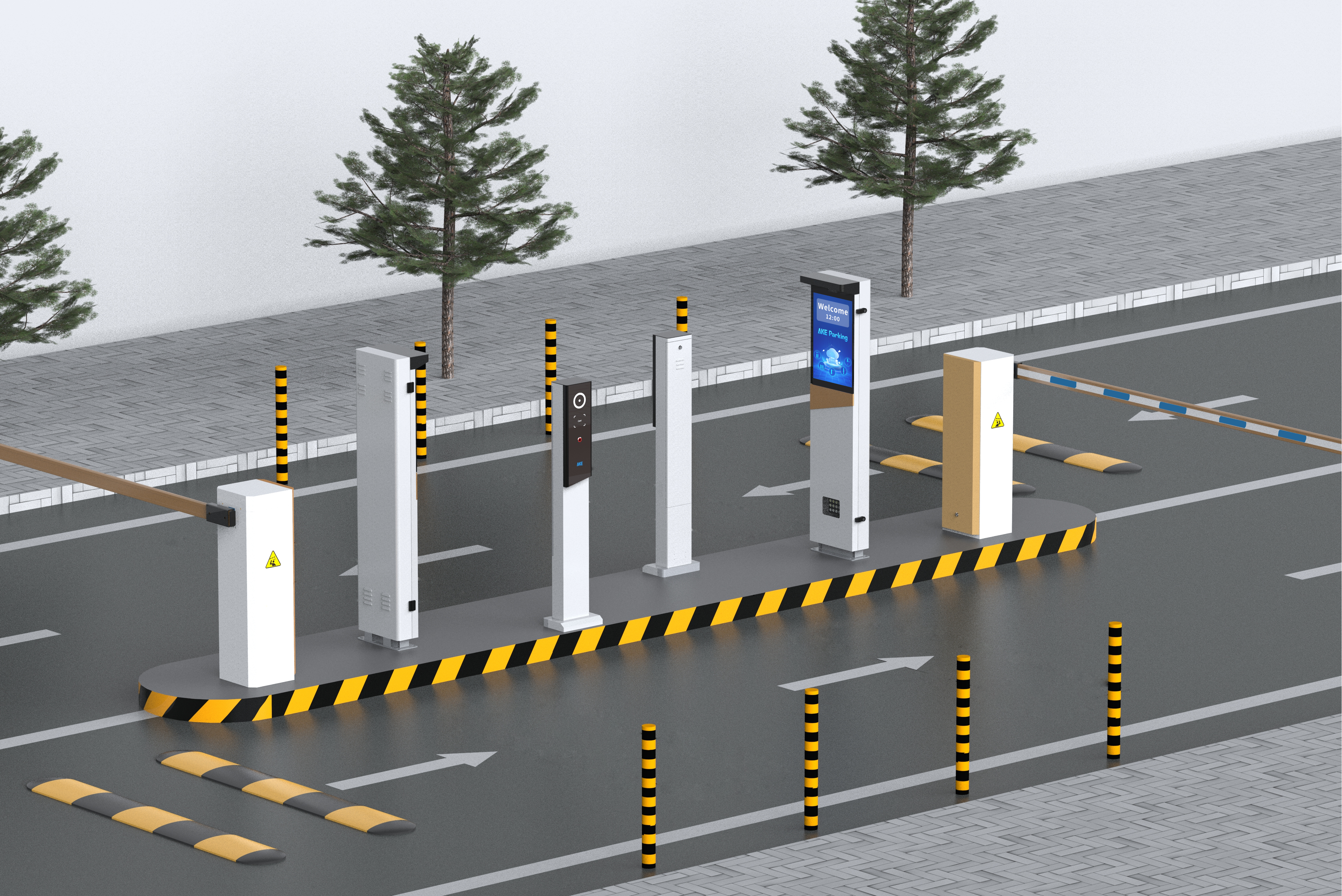
Unattended settlement is one role of our AKE Parking Automatic Pay Station. Working with plate-recognition controllers, the station supports QR scan-to-pay, merchant scanning, and banknotes across denominations. Support for vehicles without plates provides another payment and departure option. Each payment result must reach the relevant vehicle-release decision.
An automated parking lot management system also depends on drivers knowing where and when to complete payment. Prompts in elevators, corridors, on garage walls, and at pedestrian exits can reach visitors before they return to their cars.
A stated departure window explains the next timing condition. Earlier payment reduces exit work only if the confirmation remains valid and reaches the responsible release component.
Payment interaction can still require clarification. Our station provides remote voice assistance, with TCP/IP supporting cloud communication, remote support, and online upgrades.
The payment workflow you agree with suppliers can position that assistance before the final release queue. This depends on what the site permits. A resolved inquiry joins the normal departure flow with its transaction condition already established.
Manage the Peak and the Exceptional Vehicle
Simultaneous departures can exceed the available lane capacity even after payment has moved elsewhere. The remaining problem concerns how many release points serve that demand and whether an unusual case occupies one of them. Peak planning and exception handling therefore work alongside pre-payment. Each measure targets a different contributor to the queue.
For an exhibition’s evening peak, selected lanes can be designated for exit-only operation, subject to the site’s circulation and safety arrangements. Our LED Indoor Parking Guidance Display provides dynamic arrows and management messages, with one-, two-, and three-direction versions matched to intersections. The route plan discussed with car park management system suppliers can make the intended departure paths recognizable before drivers join an exit approach.
Exception handling within an automated parking lot management system concerns both the service request and its location. A driver seeking remote voice assistance may require a payment check or identification clarification before release.
The operating arrangement can establish who responds and where the case can be handled without obstructing other departures, where the layout permits. Clearing an inquiry still leaves the normal vehicle-safety decision in place.
Observations after a change can show whether the bottleneck has moved. Faster confirmation may expose limited lane capacity; an additional exit may expose confusing routes.
Reviewing arrival demand, ordinary service time, and the frequency of exception cases explains those outcomes. A design then addresses the stage responsible for the current queue instead of continuing to optimize a stage that no longer dominates.
Compare the proportion of departures paid in advance, the time vehicles occupy the exit, and the reasons for extended stops. These observations test the proposed mechanism without assuming that a shorter payment interaction eliminates every queue. The exit can then concentrate on confirming a prepared departure and carrying out its safe release, with unfinished transactions handled earlier in the journey.