Does a gated entrance read the identity already displayed on a vehicle, or require a separately issued credential? That distinction puts automatic number plate recognition, or ANPR, and radio-frequency identification, or RFID, on different administrative foundations.
Both can contribute to controlled parking access, but the identifier must remain associated with the appropriate user and parking entitlement. The comparison begins with that association and continues through registration, changes, reading conditions, and access records.
Compare the Identifier Before the Reader
ANPR translates a visible registration plate into a vehicle identifier; RFID obtains an identifier from an electronic tag. The first depends on an image of the plate, while the second depends on a compatible tag meeting the reader’s operating conditions. A successful reading supplies an identity against which the entrance’s access rules can be applied.
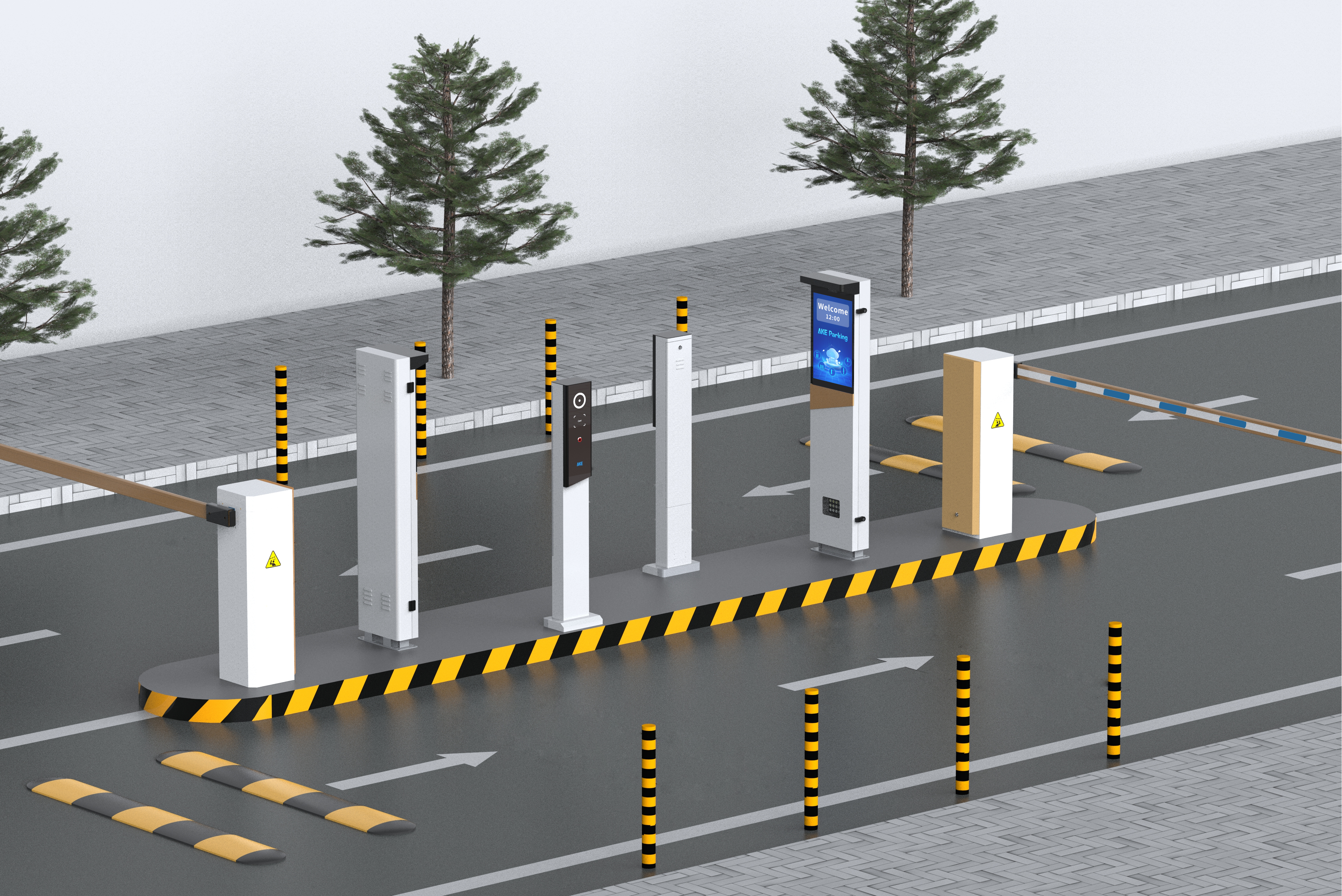
Within lpr parking management systems, a recognized plate can be associated with an enrolled vehicle and its permitted use of an entrance. The relevant rule might concern a resident, employee, visitor, or temporary arrangement. Those categories come from the site’s administration. Plate recognition supplies the identifier used in that decision; the operator defines the qualification attached to it.
For anpr parking, registration uses the vehicle’s existing plate reference. An RFID arrangement adds a credential whose allocation must be recorded. A tag can have a readable identifier while its holder’s entitlement has changed. Likewise, a correctly recognized plate may belong to a vehicle whose permission has expired. The lifecycle of the entitlement matters as much as the method of reading it.
Account for Enrollment, Changes, and Returning Credentials
Most of the administrative difference appears before a vehicle reaches the reader. Plate enrollment requires an accurate vehicle reference and an agreed relationship with the parking user. A replacement vehicle changes that reference.
Tag enrollment includes issuing the credential and recording who or what it represents, with a defined response to loss, reassignment, or the end of eligibility. Shared vehicles add a further question: whether access belongs to the registered vehicle, the tag holder, or a particular user arrangement recorded by the parking operator.
A residential anpr parking arrangement can organize registration around vehicles using the property. An RFID entrance requires decisions about issuing and recovering tags as users change.
Frequent short visits and stable recurring access create different enrollment workloads. Comparing those workloads reveals whether the site can keep credential records current without leaving former users attached to continuing access privileges.
The administrative scope agreed for lpr parking management systems can specify who confirms enrollment, who changes the association, and what ends an entitlement. These are operating requirements for the proposed installation, rather than assumptions about every controller’s management interface. The comparison becomes practical once the receiving team can describe how a new user arrives and how a departing user’s access ends.
Separate Two-Wheeler Entrances From Car Lanes
A comparison becomes misleading if the products serve different vehicle classes. Car entrances and two-wheeler parking areas can coexist within one property while requiring different credentials, reading arrangements, and circulation layouts.
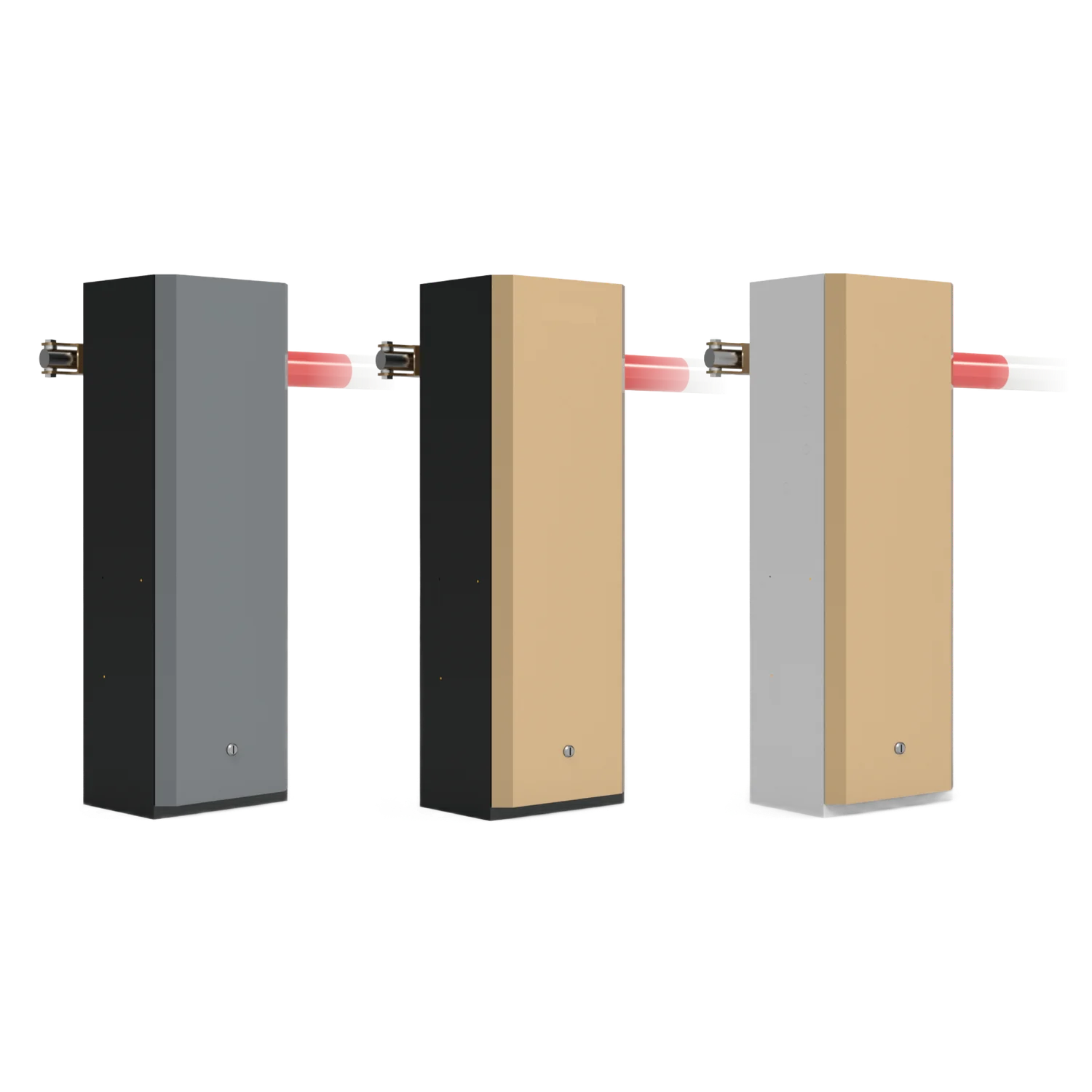
The two vehicle classes receive distinct provisions in our AKE Parking range: our RFID Access Controller is specifically intended for two-wheeler parking entrances, while Prime provides an integrated LPR terminal for vehicle access.
Our RFID controller serves residential e-bike garages, industrial park parking sheds, campus motorcycle areas, and commercial service entrances. Its reader has a 3–5m range and can work with network controllers, desktop card issuers, and electronic tags.
Automatic fee deduction and barrier linkage are supported. Those applications establish a two-wheeler option alongside anpr parking. They do not imply that the two are interchangeable at every car entrance.
Our Prime LPR Controller brings its ANPR camera, controller, fill light, display, and payment software into one terminal for commercial centers, premium offices, large residential communities, and technology parks.
Its 21.5-inch color LCD presents QR codes and access messages, with customized voice interaction available. Assessing lpr parking management systems therefore includes matching the stated application to the actual entrance population.
Match Reading Conditions and Records to the Entrance
The proposed reader must fit the encounter between vehicle and entrance. Prime specifies a 5MP camera, a fixed 6mm lens, and twelve LED fill lights, with support for Hong Kong, Macao, and Taiwan plates and vehicles traveling below 20km/h. The plate formats and vehicle movement at the planned capture point belong in the installation brief.
Outdoor anpr parking also puts the camera enclosure and viewing window in the deployment discussion. Prime includes IP54 protection, ventilation, heating, anti-fog measures, and protection against condensation.
For the RFID entrance, the stated reading range needs assessment in its actual lane arrangement. Tag printing, housing-color customization, and multi-channel control can address specified project requirements within that two-wheeler application.
Record handling completes the comparison with lpr parking management systems. Through TCP/IP networking, our RFID arrangement uploads access and fee-deduction records to a central server in real time for group management and financial reconciliation. Enrollment records, entrance events, and deductions need agreed associations so that an operator can interpret a charge or passage against the relevant credential.
Vehicle class, credential administration, and reading conditions all influence which option is appropriate. Different entrances on the same property may justify different arrangements. Before choosing the reader, establish how each entrance’s identifier will be assigned, kept current, and separated from an entitlement that has ended.