For a parking facility, adding more spaces is not always the only way to improve capacity. In many commercial garages, office buildings, residential communities, and public facilities, the existing spaces are already available but are not used efficiently. Drivers may spend too long searching for vacant bays, certain areas may become congested while other zones remain underused, and operators may lack accurate information about occupancy.
This is where modern parking technology can make a practical difference. As one of the car park management system suppliers serving international projects, we believe space utilization should be considered from both the driver’s journey and the operator’s management perspective.
Why Does Parking Space Utilization Matter?
A parking facility has a fixed physical capacity, but its usable capacity depends on how effectively drivers can locate and access available spaces.
Without reliable occupancy information, drivers may circulate through multiple aisles before finding a vacant bay. In a large multi-level garage, this unnecessary circulation can increase internal traffic and make some areas appear more congested than others.
A parking management system can connect occupancy detection, guidance displays, access control, and management software so that available-space information becomes part of the operating workflow.
How Does Real-Time Parking Guidance Improve Space Utilization?
One of the most direct ways to improve utilization is to provide drivers with current information about available spaces.
AKE’s parking guidance solutions are designed to provide real-time parking information and improve traffic flow and space utilization. Its indoor parking guidance products include LED displays that show available spaces and directional information, helping drivers make decisions at key junctions and driving lanes.
This matters particularly in large garages where drivers cannot easily see available spaces from the entrance. Entrance displays can show availability by zone or floor, allowing drivers to choose a direction before entering deeper circulation areas.
How Does Occupancy Detection Support Better Space Allocation?
Guidance information is only useful when the underlying occupancy data is reliable.
Different parking environments may require different detection technologies. AKE provides ultrasonic parking guidance sensors for indoor parking lots, where non-contact ultrasonic ranging detects parking-space occupancy in real time. The sensor can work with parking indicator lights to communicate space status to drivers.
For mechanical parking garages and more complex indoor applications, AKE also offers infrared parking guidance sensors. These sensors detect occupancy through infrared blocking and transmit status information wirelessly to the controller.
The key principle is simple: accurate occupancy data allows the system to represent actual parking availability instead of relying on drivers to search manually.
Can Parking Management Systems Balance Different Parking Zones?
Yes, provided that the system is designed around the facility’s operating rules.
A garage may contain general parking, reserved spaces, accessible spaces, EV charging areas, staff parking, or other controlled inventory. A management system can help operators distinguish these resources and communicate relevant availability.
AKE’s recent parking guidance approach recommends defining parking inventory by level and zone, identifying reserved or controlled spaces, and establishing rules for available, occupied, blocked, or unknown states before system deployment.
This planning is important because improving utilization does not simply mean filling every space. Operators also need to ensure that designated spaces remain available to the users for whom they are intended.
How Do Entrance and Guidance Displays Reduce Unnecessary Circulation?
Drivers make several decisions during a parking journey: whether to enter, which floor to use, which zone to choose, and which direction to take at internal intersections.
Providing information at these decision points can reduce unnecessary searching. AKE’s entrance parking guidance display, for example, is designed to show real-time available spaces by zone or floor at parking entrances.
Inside the facility, LED guidance displays can provide directional arrows and available-space information at key junctions. This creates a continuous information path from the entrance toward available parking areas.
What Role Does Centralized Management Play?
Space utilization is not only a driver-facing issue. Operators also need visibility into occupancy and system status.
AKE’s urban parking guidance solution, for example, can collect parking information and provide real-time availability through guidance screens and other information channels. Its management system can also analyze data related to space availability and equipment operating status.
For B2B operators, this information can support decisions about parking rules, maintenance, traffic organization, and future capacity planning.
Why Should Businesses Evaluate the Complete System?
When comparing advanced parking management systems, project owners should avoid evaluating individual devices in isolation. Sensors, displays, controllers, access systems, and management software need to work together.
We therefore recommend starting with the parking layout and operating objectives. The project team should identify the number and type of spaces, driver decision points, circulation routes, network conditions, and management requirements before selecting equipment.
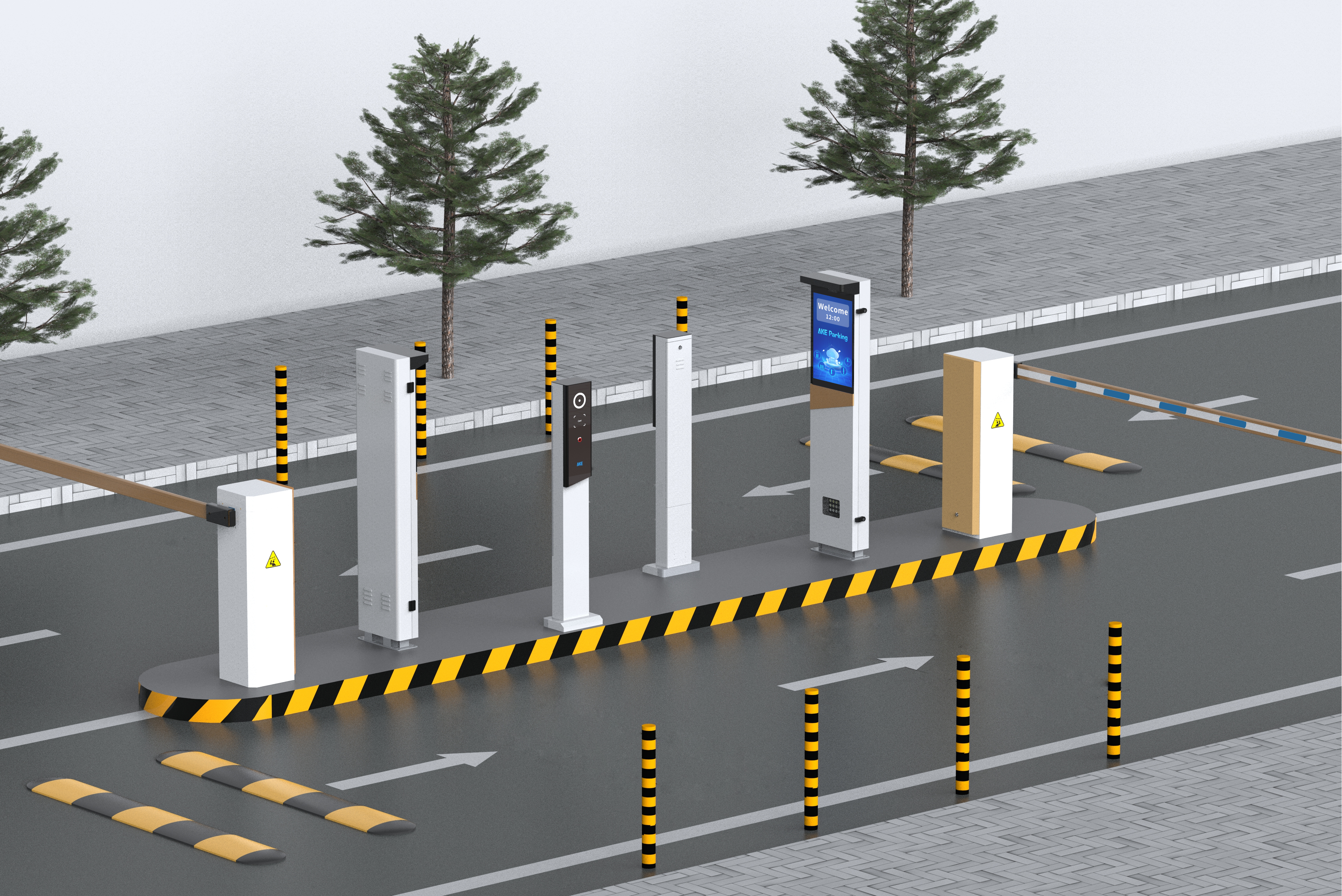
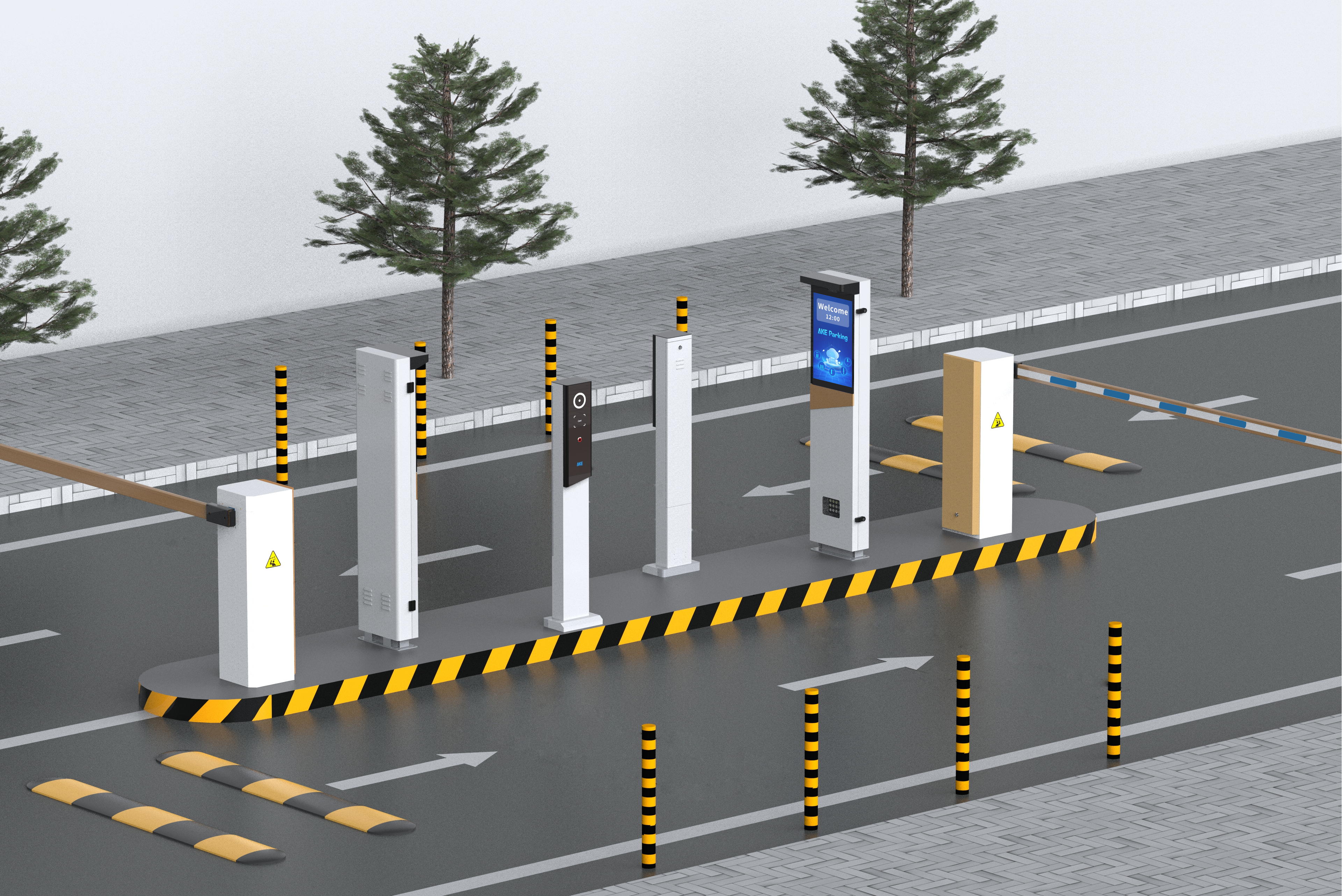
Our own portfolio includes parking guidance, LPR and barrier systems, curbside management, identity and access authentication, pedestrian turnstiles, and RFID access control.
For us at AKE Parking, better space utilization is not about claiming that technology creates additional physical spaces. It is about helping operators make existing capacity more visible, accessible, and manageable.
When occupancy data, driver guidance, and operational management are properly connected, parking facilities can reduce unnecessary circulation and make better use of the capacity they already have. That is the practical value we aim to deliver through our smart parking solutions.