Equipment downtime can quickly become an operational problem for parking operators. When a barrier gate, license plate recognition camera, parking guidance device, controller, or communication component stops working, the impact can extend beyond one piece of hardware. Drivers may face delays, staff may need to intervene manually, and operators can lose visibility of parking activity.
For this reason, automated parking management systems should be evaluated not only by the functions they provide during normal operation, but also by how they support monitoring, maintenance, troubleshooting, and recovery when equipment problems occur.At AKE Parking, we focus on integrated parking and access solutions designed to support reliable day-to-day operations. Here are several ways a well-designed automated system can help reduce equipment downtime.
How Do Automated Parking Management Systems Improve Equipment Monitoring?
One important way to reduce downtime is to identify equipment problems before they create a larger operational disruption.
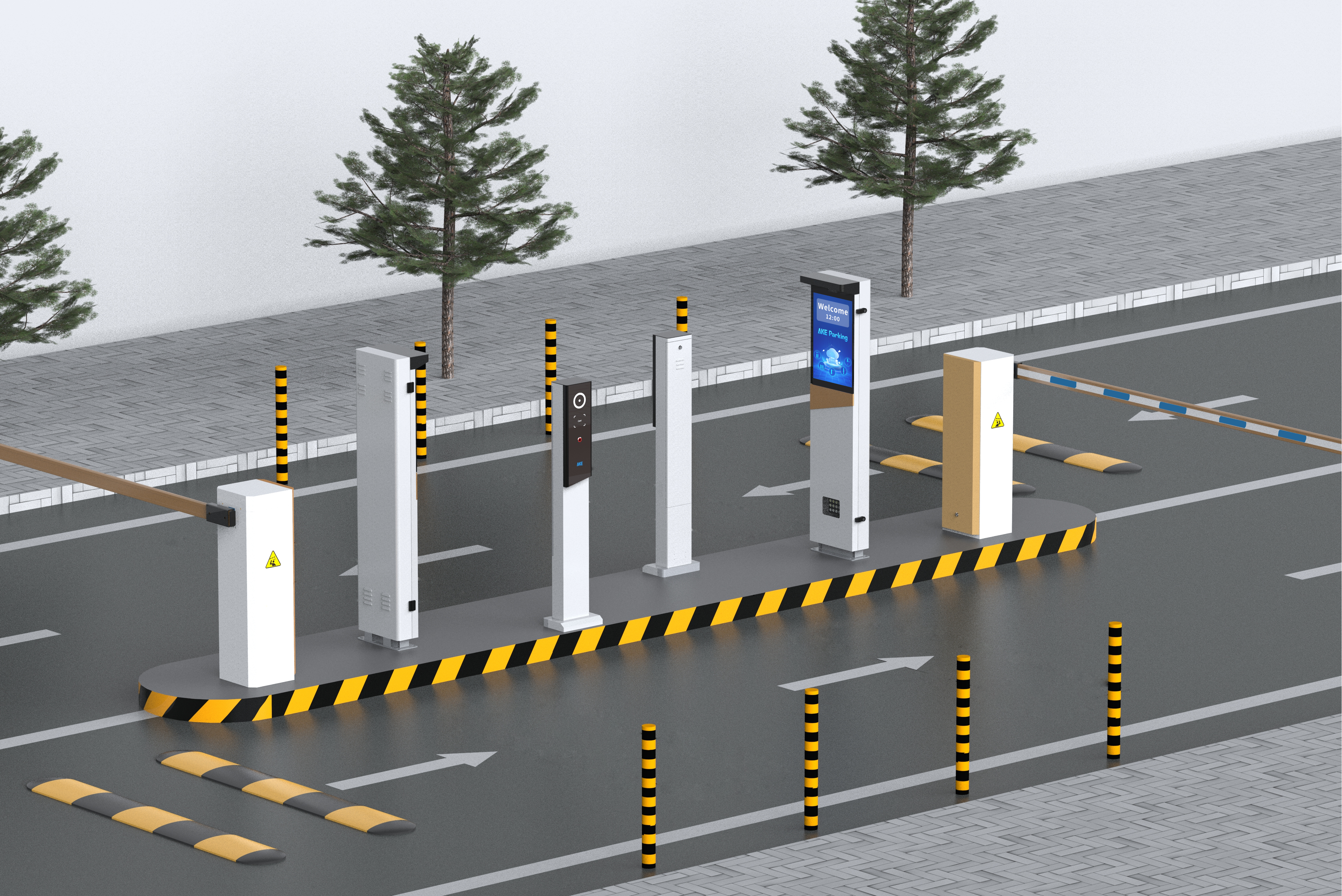
A modern parking system can connect multiple operational components, including vehicle identification, barrier management, parking guidance, access control, and centralized management. This gives operators a clearer view of equipment status and parking activity instead of requiring staff to inspect every device individually.
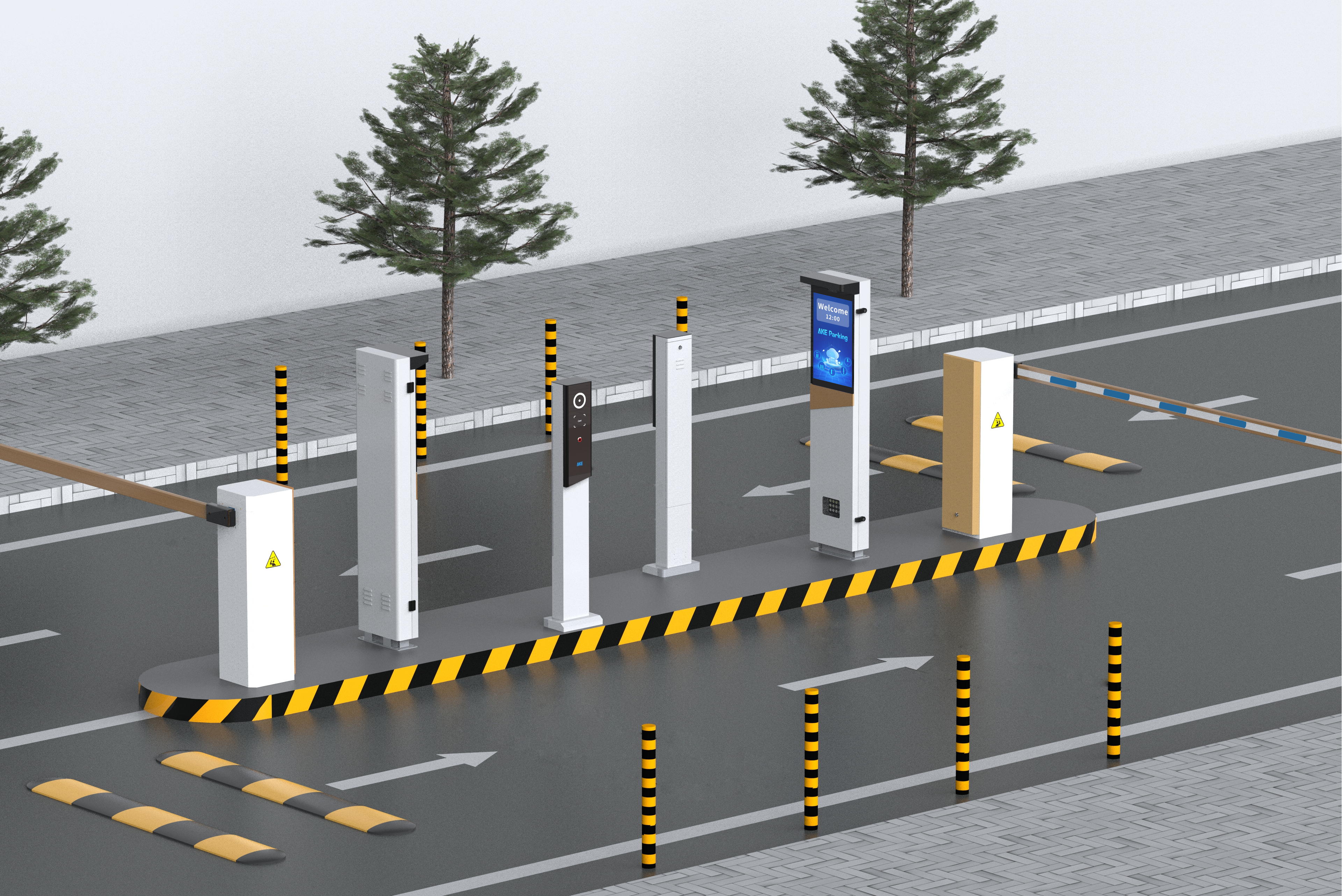
For example, our parking solutions include LPR and barrier systems, parking guidance systems, and access control technologies. By bringing different operational functions into a connected system, operators can identify abnormal conditions more efficiently and determine which part of the parking workflow requires attention.
This is particularly useful for large facilities where many devices operate simultaneously.
Why Does Preventive Maintenance Matter for Parking Equipment?
Downtime is often easier to control when maintenance is planned rather than performed only after equipment fails.
For car park management system suppliers, this means considering maintenance requirements during system design. Equipment should be accessible for inspection, communication between devices should be clearly defined, and operators should have appropriate technical documentation for troubleshooting and service.
AKE provides integrated hardware, software, technical documentation, remote setup guidance, and ongoing support as part of its project approach. These resources can help project teams diagnose operational issues and maintain the system over its service period.
A preventive maintenance strategy can include checking communication connections, reviewing equipment status, inspecting physical components, confirming power conditions, and addressing recurring alarms before they develop into major failures.
How Does System Integration Help Reduce Downtime?
A parking facility rarely depends on one device. Entry and exit lanes may involve cameras, barrier gates, controllers, identification methods, and management software. Parking guidance may involve sensors, displays, communication networks, and central management.
When these components are designed as separate systems without clear interfaces, troubleshooting can become more difficult. An integrated architecture provides a more structured way to identify where a problem occurs.
For example, AKE’s parking guidance solutions use sensors and displays to provide parking-space information, while its broader product portfolio includes LPR and barrier systems, identity and access authentication, pedestrian turnstiles, and RFID access control systems.
The objective is not simply to automate more functions. It is to make the overall parking operation easier to monitor and maintain.
Can Local Data and Offline Functions Limit Operational Disruption?
Connectivity problems can also contribute to downtime. A parking device may remain physically functional while communication with another system is temporarily interrupted.
Designing equipment with appropriate local or offline operating capabilities can help maintain essential functions during temporary network problems. For instance, AKE’s entrance parking guidance display provides offline guidance so that entrance information can remain visible during temporary network interruptions.
This type of resilience does not eliminate the underlying network issue, but it can reduce the operational consequences while technicians investigate and restore normal communication.
How Can Suppliers Support Faster Equipment Recovery?
Equipment reliability also depends on what happens after a fault occurs. For B2B parking projects, buyers should therefore evaluate car park management system suppliers based on more than hardware specifications.
Manufacturing capability, product traceability, documentation, technical support, spare-part availability, and delivery responsiveness can all influence recovery time.
At AKE Parking, we operate dedicated production lines and apply product traceability throughout manufacturing. We also maintain warehouse controls for regular products and provide technical documentation for international customers. These capabilities are intended to support more responsive project delivery and after-sales service.
Why Should Businesses Choose AKE Parking for Long-Term Operations?
For B2B buyers, reducing downtime is ultimately about maintaining predictable parking operations. The right solution should connect equipment, software, maintenance processes, and technical support rather than treating each device as an isolated product.
AKE Parking provides integrated parking and access solutions covering LPR and barrier systems, parking guidance, curbside management, identity and access authentication, pedestrian turnstiles, and RFID access control. Its project approach combines consultation, solution design, production and delivery, followed by deployment and technical support.
For parking operators, integrators, developers, and other project stakeholders, this system-level approach can make equipment easier to monitor, maintain, troubleshoot, and recover—helping reduce avoidable downtime while supporting more stable long-term parking operations.