As parking facilities become more complex, many operators, developers, system integrators, and property owners are considering advanced parking management systems to improve vehicle access, parking guidance, security, and operational visibility. However, purchasing decisions are sometimes influenced by assumptions rather than actual project requirements.
At AKE Parking, we work with different parking environments, from commercial complexes and office buildings to residential communities, transport hubs, and smart-city projects. We believe understanding what a modern parking system can—and cannot—do is essential before selecting a solution. Here are seven common myths worth reconsidering.
Myth 1: Advanced Parking Management Systems Are Only for Large Parking Facilities
A sophisticated parking solution is not automatically limited to airports or large shopping malls. The appropriate system depends on operational requirements rather than parking capacity alone.
A smaller residential community may prioritize vehicle identification and controlled access, while a commercial facility may need parking guidance, payment integration, and centralized monitoring.
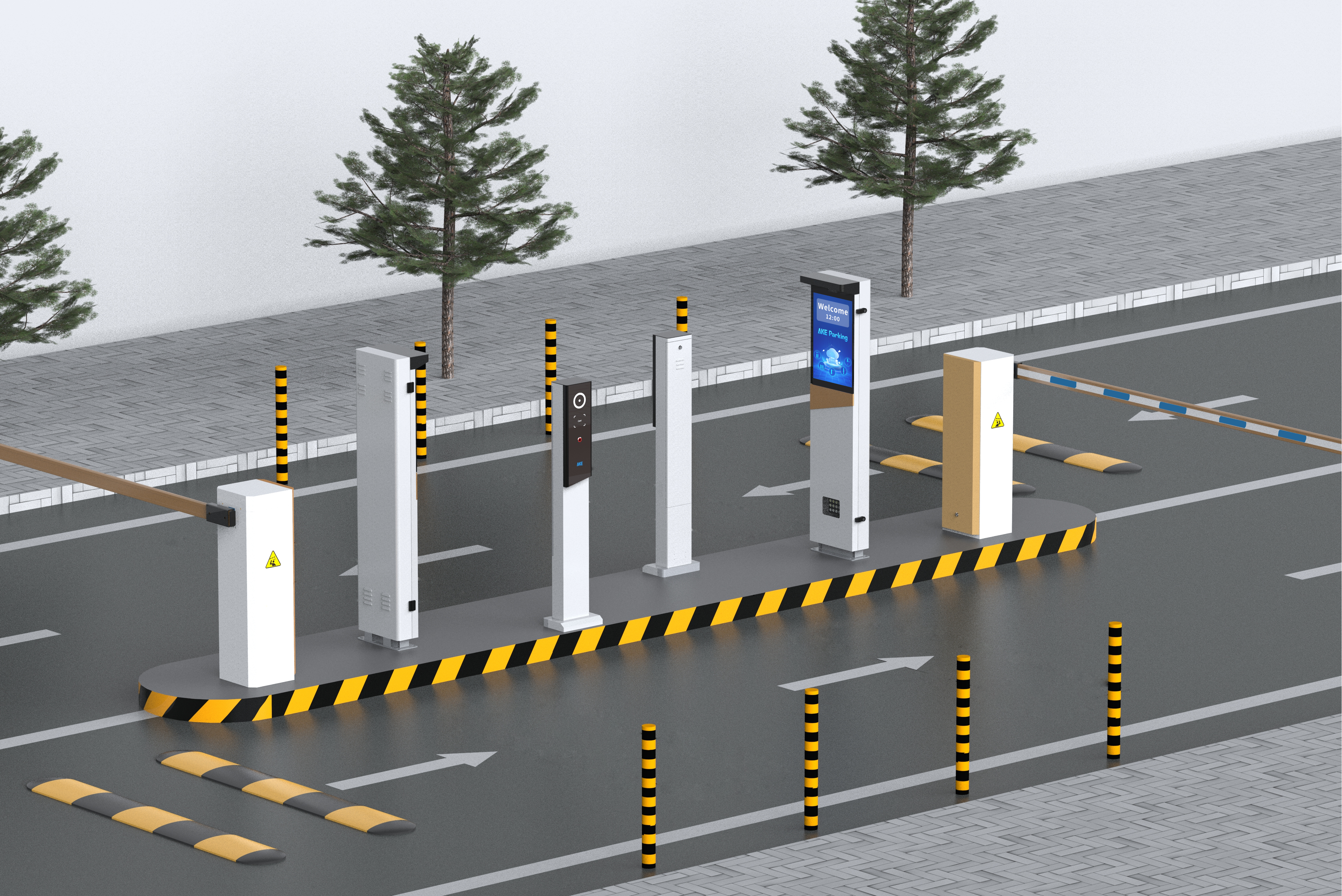
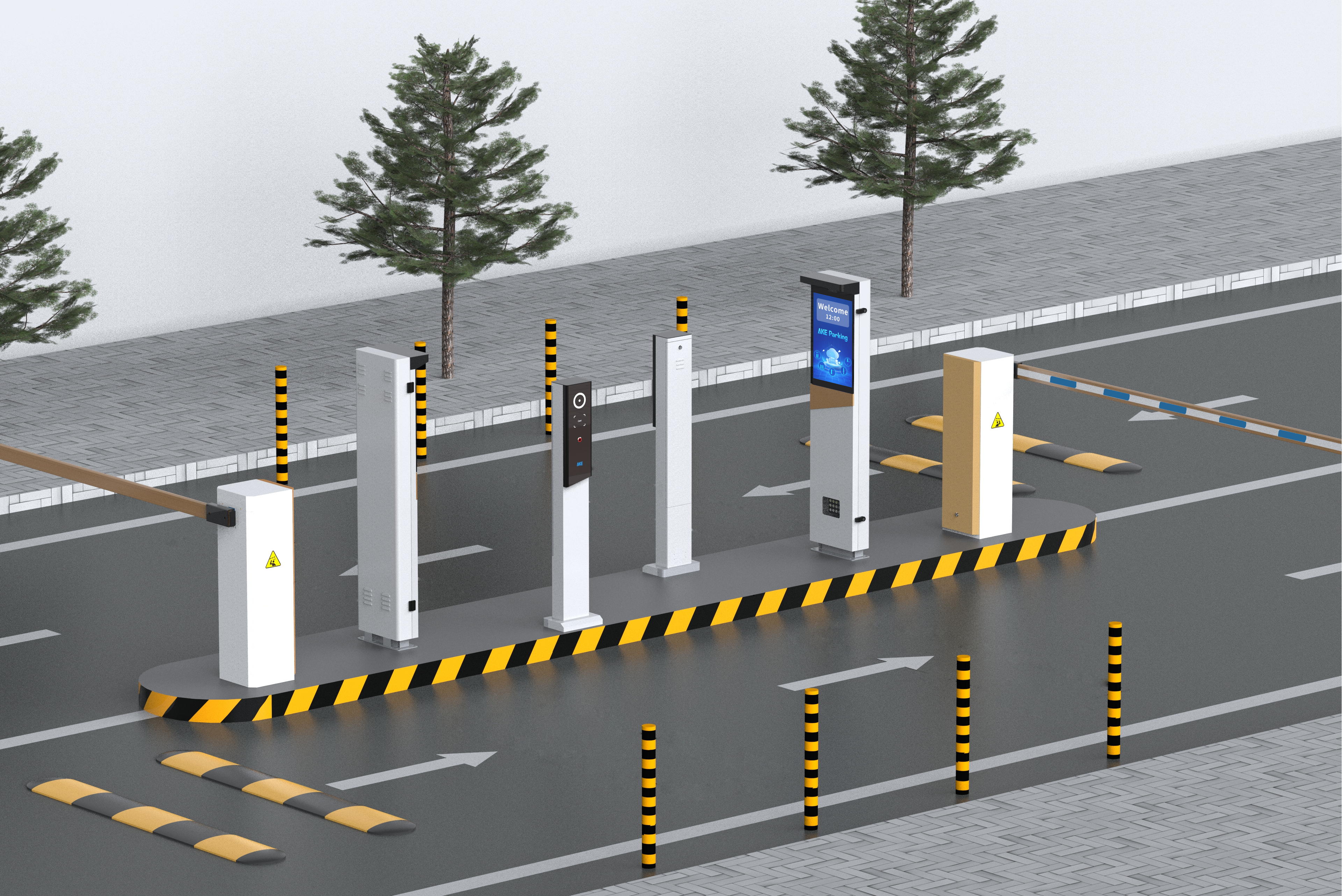
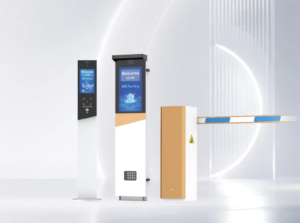
Our solution portfolio includes LPR and barrier systems, parking guidance systems, curbside management, identity and access authentication, pedestrian turnstiles, and RFID access control systems.
The better approach is to select the functions that solve the site’s actual operational challenges.
Myth 2: A Parking System Is Just a Barrier Gate
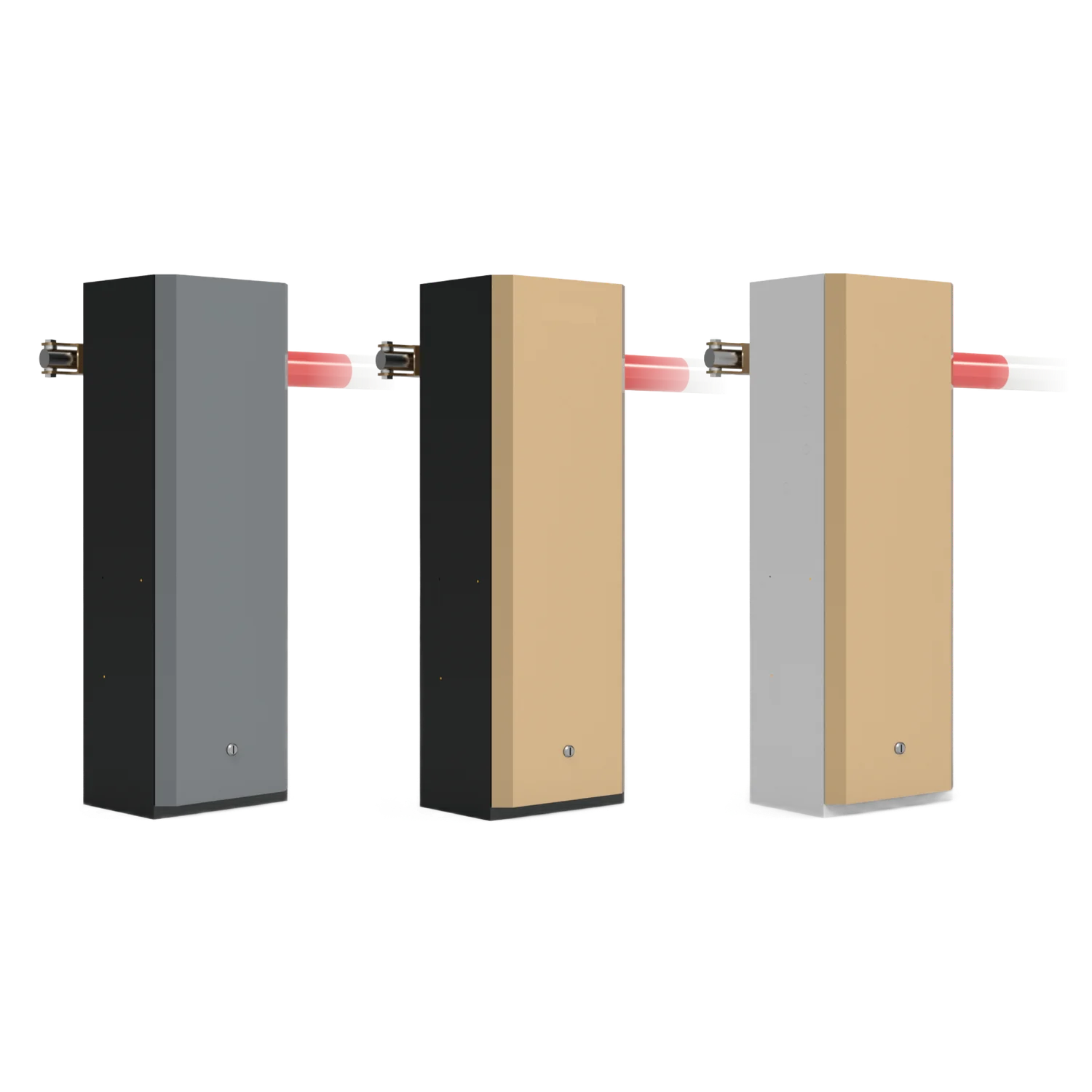
A barrier gate controls physical vehicle access, but it represents only one part of a complete parking workflow.
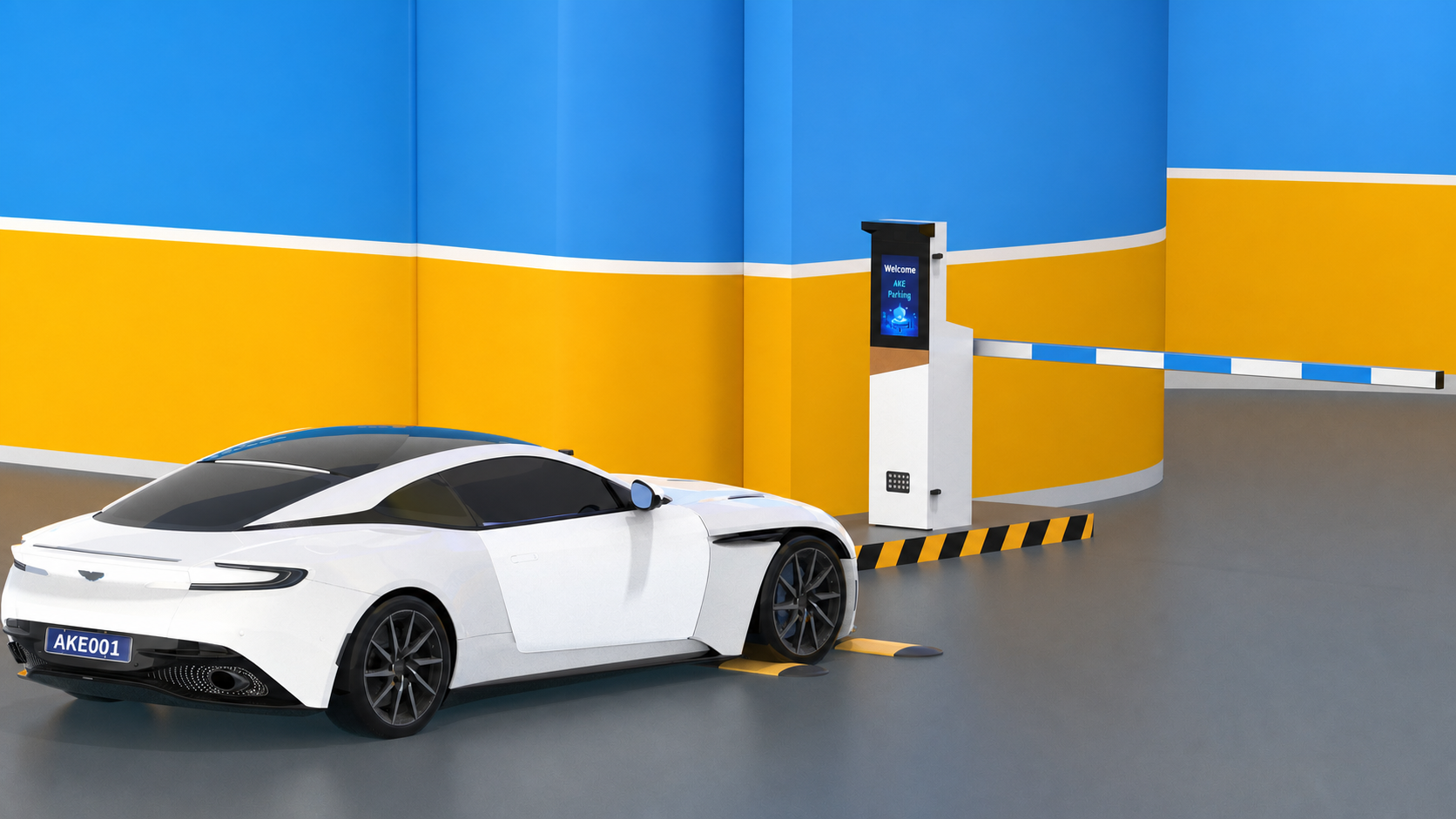
Modern parking operations can connect vehicle recognition, authorization, guidance, payment, monitoring, and exit management. For example, license plate recognition can be used as an access credential, allowing vehicles to pass through a controlled lane without stopping to interact with a conventional credential device.
When evaluating car park management system suppliers, B2B buyers should therefore assess the complete system architecture rather than comparing barrier gates in isolation.
Myth 3: Parking Guidance Only Means Directional Signs
Parking guidance is more than placing arrows around a garage. An effective system can collect parking-space information and communicate availability to drivers at appropriate decision points.
AKE’s parking guidance solutions are designed to provide real-time parking information and improve traffic flow and space utilization. Our urban parking guidance technology can also distribute parking information through guidance screens and other information channels.
For project teams, the key question is how accurately the system detects, processes, and communicates parking information—not simply how many signs are installed.
Myth 4: Advanced Systems Eliminate the Need for Human Management
Automation reduces repetitive manual tasks, but it does not eliminate the need for parking operators and technical teams.
Centralized management can help staff monitor equipment status, parking activity, access events, and exceptions more efficiently. However, system configuration, maintenance, troubleshooting, rule management, and project-level decision-making still require qualified personnel.
This is why we consider technical documentation, integration support, and after-sales service important parts of a parking project—not optional extras.
Myth 5: The Most Advanced System Is Always the Best Choice
More technology does not necessarily mean a better project outcome.
Different sites have different traffic volumes, layouts, payment models, security requirements, network conditions, and operating rules. A solution designed for an airport may be unnecessarily complex for a small residential facility.
We recommend beginning with the operating objective and site conditions, then determining which technologies are genuinely necessary. A proper site survey should connect parking layouts, driver decision points, sensing requirements, network boundaries, and operating rules before the final system is specified.
Myth 6: Choosing a Supplier Is Mainly About Hardware Price
Initial equipment price is only one factor in the total value of a parking project.
B2B buyers should also evaluate integration capability, software adaptability, documentation, manufacturing quality, delivery capability, technical support, and long-term maintainability. For system integrators and project contractors, these factors can directly influence installation efficiency and project risk.
As one of the car park management system suppliers serving international markets, we provide integrated parking and access solutions as well as OEM/ODM options for project-specific requirements.
Myth 7: Advanced Parking Systems Are Difficult to Integrate
Integration can be challenging when equipment and software operate as isolated systems. However, a properly designed architecture can connect multiple parking and access functions into a coordinated workflow.
At AKE Parking, we develop integrated hardware, software, and access solutions, with open integration and customization options for different projects. Our product portfolio covers multiple operational layers, allowing project teams to build a solution around their actual requirements rather than assembling unrelated devices.
How Should Businesses Evaluate a Parking System?
The right parking solution should begin with the project’s operational objectives, not a list of fashionable technologies. Buyers should consider vehicle volume, access rules, parking layout, guidance requirements, payment processes, security needs, integration requirements, and future expansion.
At AKE Parking, we combine parking management, access control, parking guidance, and related technologies to support commercial, residential, transportation, and smart-city applications. Our goal is to help business partners develop practical systems that are reliable, scalable, and suited to real operating conditions.
For organizations comparing advanced parking management systems, understanding these seven myths can make supplier evaluation and project planning much more objective. Choosing the right technology is ultimately less about having the most features and more about building a system that works effectively for the people, vehicles, and operations it is designed to serve.