Hong Kong · Airport parking
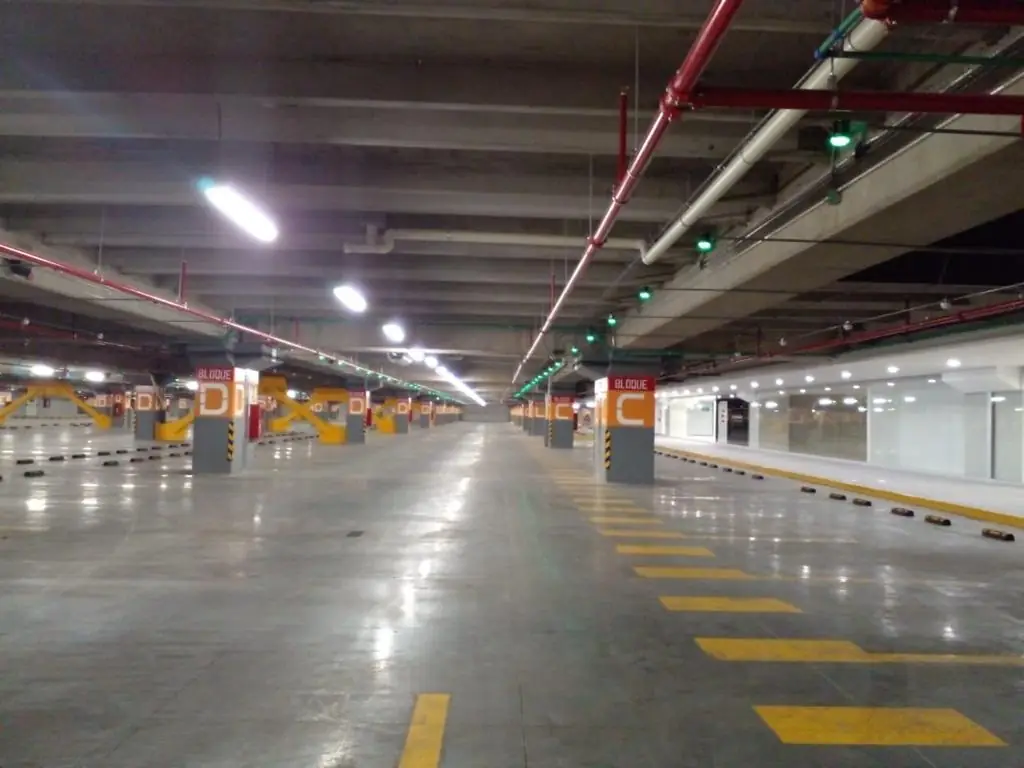
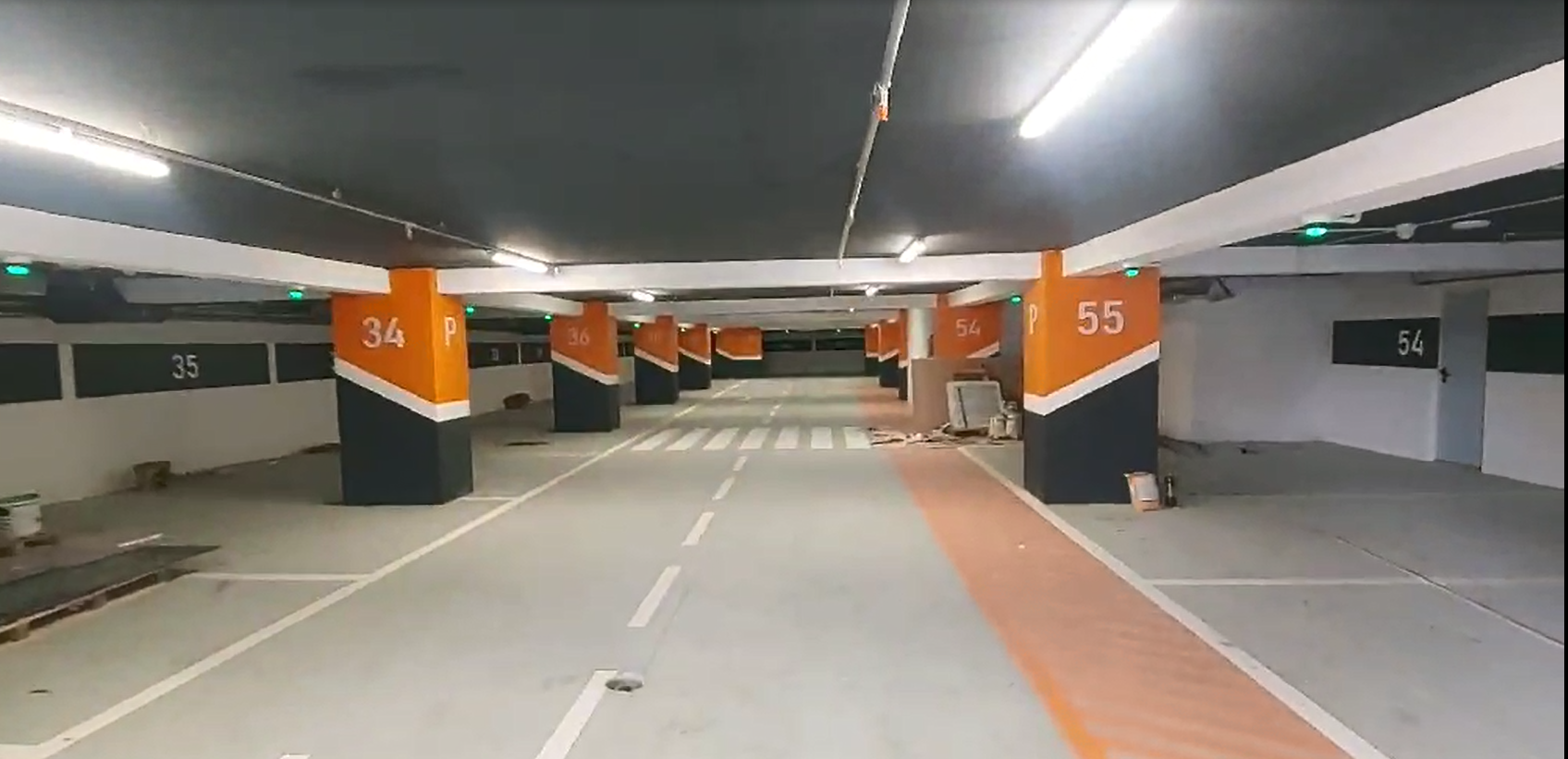
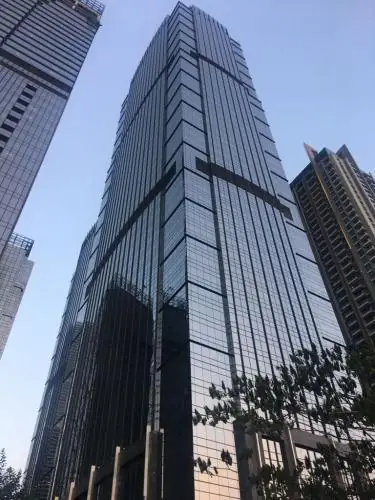
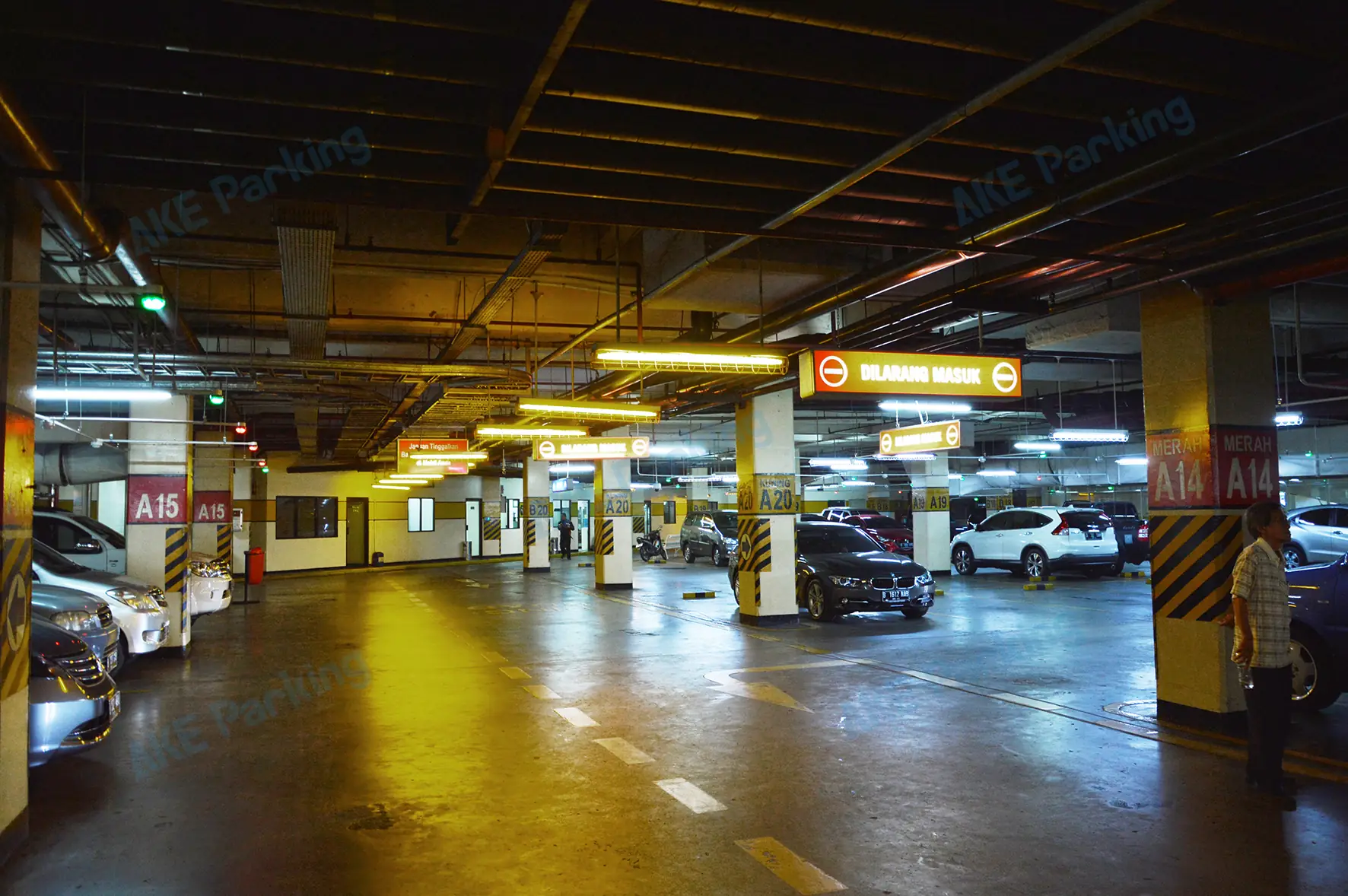
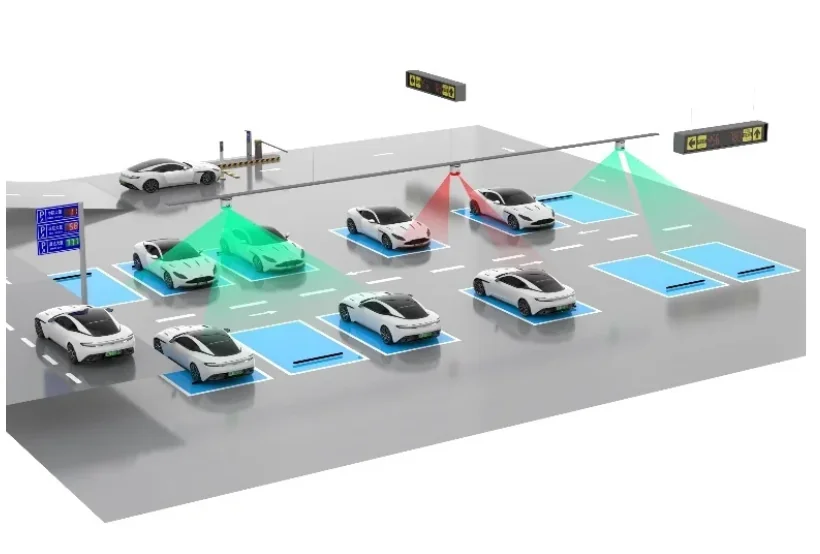
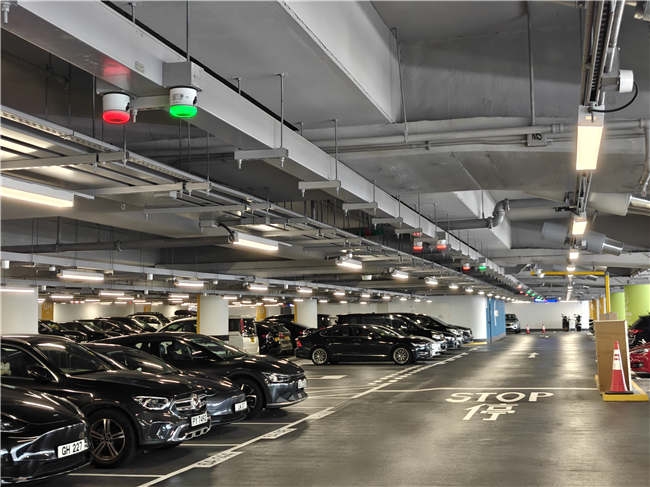
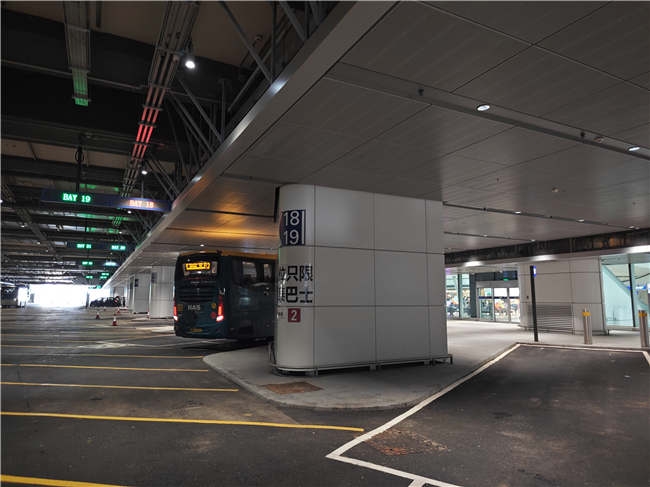
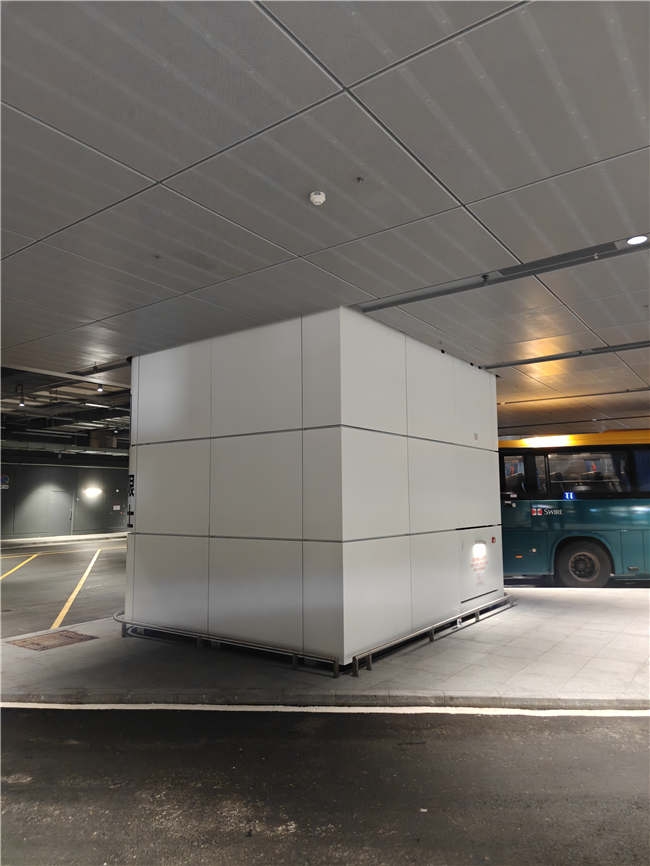
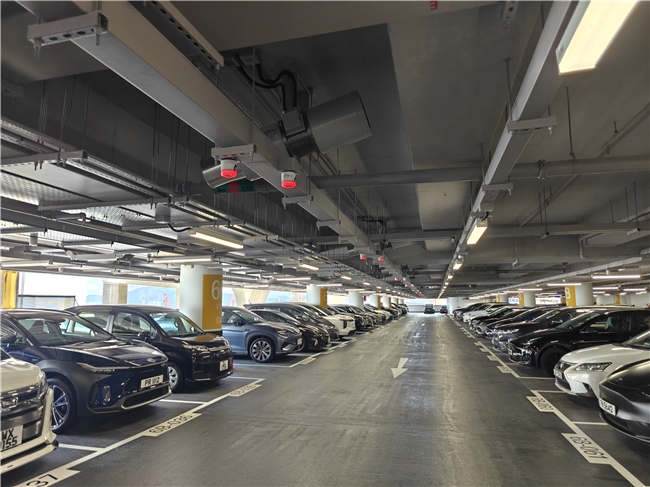
Hong Kong International Airport Terminal 2 combines two distinct parking requirements: around 1,000 regular-car spaces and 41 coach bays. AKE’s November 2025 project report records camera-based guidance for regular cars and ultrasonic guidance for the coach area. The original project photographs show both environments.
Different vehicles, different guidance needs
A coach bay has different dimensions and vehicle movements from a regular-car space. T2’s reported combination addresses those two areas separately: ultrasonic occupancy guidance in the coach area and camera-based parking guidance in the car park. Signs and space identifiers then help connect those areas to the driver’s route.
Follow-on supply and continued customer adoption
The initial February 2024 supply record lists 552 video parking detectors, 40 ultrasonic detectors, two ultrasonic controllers, 15 Bluetooth beacons and three software licence keys. The follow-on supply record, covering August 2025 to June 2026, adds 66 video detectors, 40 ultrasonic detectors and one controller. That is 107 additional physical devices, bringing the recorded hardware total to 716.
The additional order shows the customer continuing to choose AKE for this airport project. No extra parking-space count is stated for that shipment, so its device quantities are not converted into additional bays. The published 1,000-car / 41-coach scope remains the documented parking-space figure.
| Shipment dates | Order stage | Equipment recorded |
|---|---|---|
| 2024-02-01 | Recorded supply | 3 usb software licence keys; 15 bluetooth beacons; 552 video parking detectors; 40 ultrasonic detectors; 2 ultrasonic controllers |
| 2025-08-13 – 2026-06-10 | Additional supply | 66 video parking detectors; 40 ultrasonic detectors; 1 ultrasonic controllers |
Where the project can go next
The following are proposed upgrades, separate from the recorded installation.
Review regular-car and coach guidance independently during peak arrival periods. Check the relationship between actual occupancy, signs and lane choices, and make sure maintenance work in one area does not create misleading information elsewhere.
Indoor and underground parking
At passenger return points, plan pay stations and car-finder kiosks with consistent level and bay names. Verify camera-based plate-to-space records and walking routes before enabling plate-based finding. Keep coach operations distinct from passenger-car payment and access rules.
Gated outdoor parking
Any suitable controlled entrance can pair STAR PMS with card terminals and barrier gates. Define vehicle credentials, operator call assistance, payment checks and emergency release for each lane before commissioning.
Open outdoor parking
An open overflow area could be surveyed for video bollards, geomagnetic occupancy sensors or curbside devices. Confirm vehicle dimensions and local plate handling; indoor camera coverage should not be assumed to transfer directly outdoors.
Parking-space figures refer to the T2 project report, not the capacity of the entire airport. The photographs are retained from that project’s original article.