Planning a new parking facility is not simply about installing barriers at the entrance and exit. A successful project needs a coordinated plan for vehicle access, parking-space management, payment, guidance, data collection, security, and future expansion. For operators and project owners, selecting the right parking management system at the planning stage can prevent costly modifications later.
At AKE Parking, we recommend treating parking management as an integrated operational system from the beginning. Our solutions combine LPR cameras, barrier gates, parking management software, parking guidance, and access-control technologies to support different parking environments.
What Should Be Considered Before Designing a Parking Management System?
The first step is to understand how the facility actually operates. Before selecting equipment, project teams should document the number of parking spaces, entrance and exit locations, expected traffic volume, vehicle categories, payment methods, operating hours, and special access requirements.
The physical layout is equally important. Parking facilities in shopping malls, office buildings, residential communities, airports, and industrial parks vary greatly in specific patterns. AKE provides solutions for these scenarios, including high-volume transport facilities and mixed-vehicle industrial environments.
We therefore recommend completing a site survey and operational analysis before finalizing the equipment list. This approach helps ensure that cameras, barriers, parking-space detection, displays, and management software are designed around the actual traffic flow rather than selected independently.
How Should Operators Design Vehicle Entry and Exit?
Vehicle entry and exit should be designed around fast identification, authorization, and controlled vehicle movement. LPR technology can automatically identify license plates and connect vehicle information with barrier control, reducing the need for manual intervention.
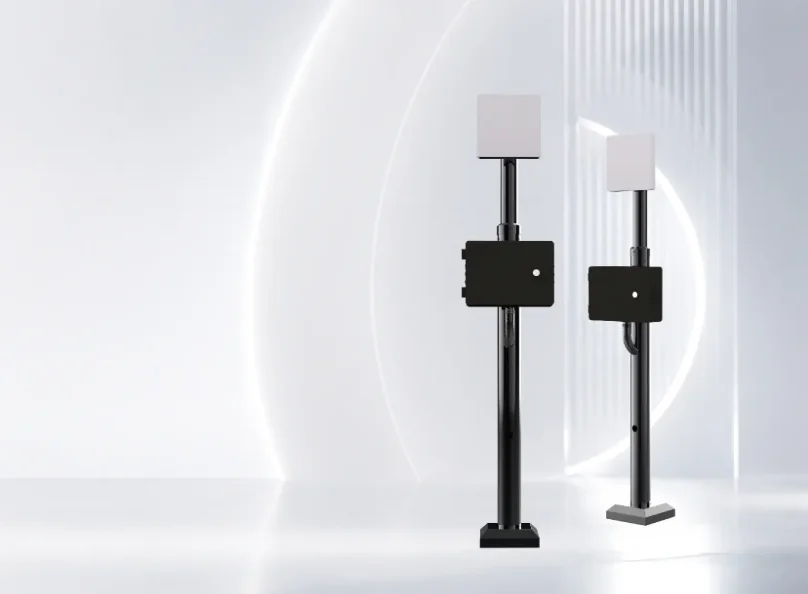
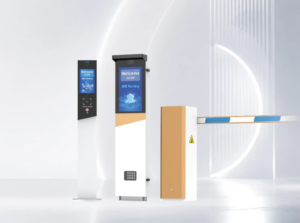
Our parking management system integrates an HD license plate recognition camera with barrier equipment, controllers, and parking management software. The system can automatically scan vehicle license plates and control vehicle release. It can also support parking-fee collection through manual, computer, mobile, or automatic payment arrangements.
When planning a new facility, operators should therefore consider the number of lanes, traffic direction, peak-hour demand, authorized vehicles, visitor management, and emergency procedures together.
Why Is Parking Guidance Important in a New Facility?
Parking guidance should be planned together with the parking management system because identifying available spaces is only useful when drivers can easily find them.
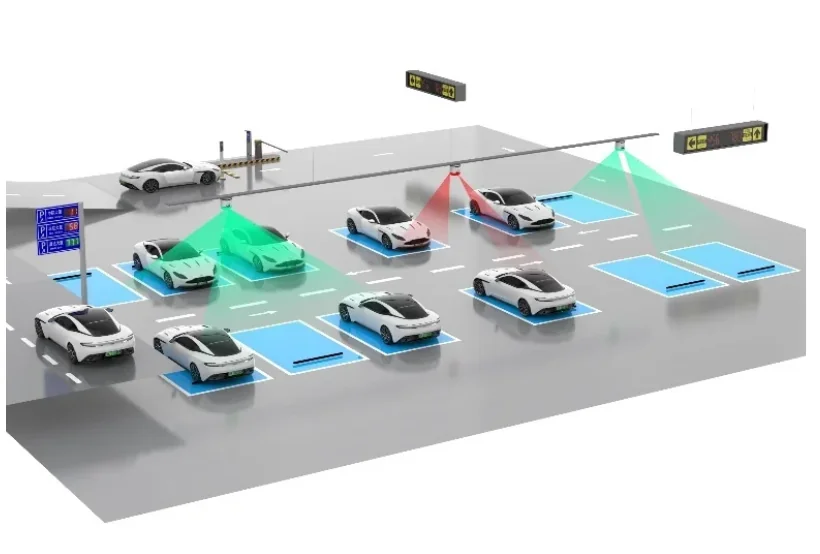
Our parking guidance solutions can provide real-time information about available parking spaces and help drivers make decisions inside the facility. AKE’s solutions include indoor, outdoor, and urban parking guidance applications, allowing the system design to match different site conditions.
For a large facility, project teams should determine where drivers need information before choosing display locations. Entrance displays, floor-level displays, zone indicators, and space-level detection can serve different decision points. A properly designed system can help reduce unnecessary circulation and improve the utilization of available spaces.
How Should Parking Operators Plan Data and Management Functions?
A new facility should be designed to collect operational data from the beginning. Information such as vehicle volume, parking duration, occupied and available spaces, parking position, and transaction records can help operators understand facility performance.
Our parking management platform can collect entrance and exit data and provide real-time status information for detectors and dynamic signs. It can also generate reports to support car park management and operational analysis.
For B2B projects, this data layer is particularly important because operators need more than equipment that simply works. They need information that can support staffing decisions, operational improvements, maintenance, and long-term asset management.
What Should You Look for in Car Park Management System Suppliers?
When comparing car park management system suppliers, we recommend evaluating the complete solution rather than comparing individual devices only.
Important considerations include hardware compatibility, software integration, scalability, technical support, customization capabilities, documentation, and experience with comparable projects. A supplier should also be able to understand the relationship between vehicle access, parking guidance, payment, and operational management.
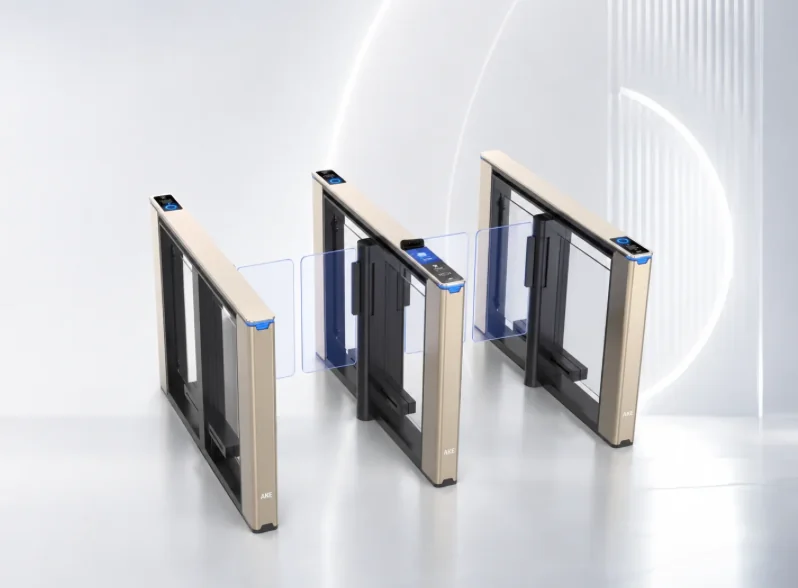
At AKE Parking, we provide integrated parking and access solutions covering LPR and barrier systems, parking guidance systems, curbside management, identity and access authentication, pedestrian turnstiles, and RFID access control. We also support OEM/ODM cooperation for international partners and project-specific requirements.
How Can AKE Parking Support New Parking Facility Projects?
We approach a new parking project from consultation through deployment. Our current service process begins by aligning project requirements and business objectives before recommending the appropriate combination of hardware, software, and access technologies.
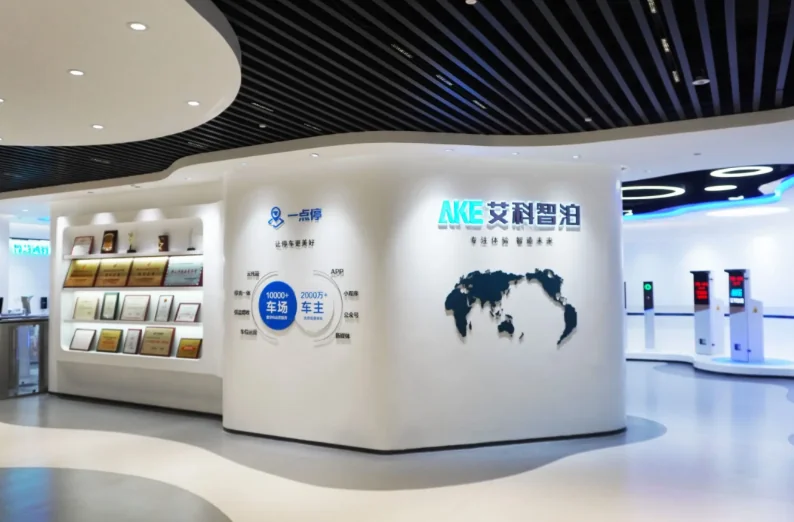
Our company’s information also reflects a manufacturing-oriented approach. We operate dedicated production facilities, apply product traceability procedures, and provide English documentation for international customers. These capabilities are closely intertwined to B2B customers who pursues consistent products and clear technical information across larger projects.
For project owners, integrators, and operators, we believe the most effective planning method is to define the complete operational workflow first and then select the technologies required to support it.
What Is the Best Way to Plan a New Parking Facility?
The best approach is to work from traffic requirements to system architecture, and from system architecture to equipment selection.
Start with the site layout and expected traffic. Then define entry and exit workflows, parking-space detection, guidance requirements, payment processes, data management, security rules, and future expansion. Finally, evaluate suppliers based on their ability to integrate these elements into one practical solution.
As an experienced parking technology provider, we at AKE Parking focus on helping B2B partners develop parking systems that are scalable, manageable, and suited to real operating conditions. By planning the system before construction begins, operators can reduce integration risks and build an easy-to-manage parking facility.