Choosing among car park management system suppliers involves not merelycomparing equipment prices. For property owners, parking operators, system integrators, and project contractors, the better question is whether a supplier can deliver a reliable system that fits the site, supports daily operations, and remains practical to maintain.

What Should You Compare When Choosing a Parking Management System Supplier?
We recommend evaluating suppliers across five areas: system functions, integration capability, product reliability, project support, and delivery capability. A supplier that performs well in only one area may still create risks during installation or long-term operation.
First, clarify the project requirements. A commercial complex, office campus, airport, residential development, or public parking facility can have very different traffic patterns and management needs. Entry and exit control, license plate recognition, payment, parking guidance, data reporting, and access control should be considered as one operational workflow rather than isolated products.
Does the Supplier Provide a Complete Parking Management System?
A complete parking management system must develop a sound intergration among vehicle identification, access control, parking operations, and management data. Disconnected equipment often adds integration workload and makes troubleshooting more difficult, especially across multiple systems and vendors.
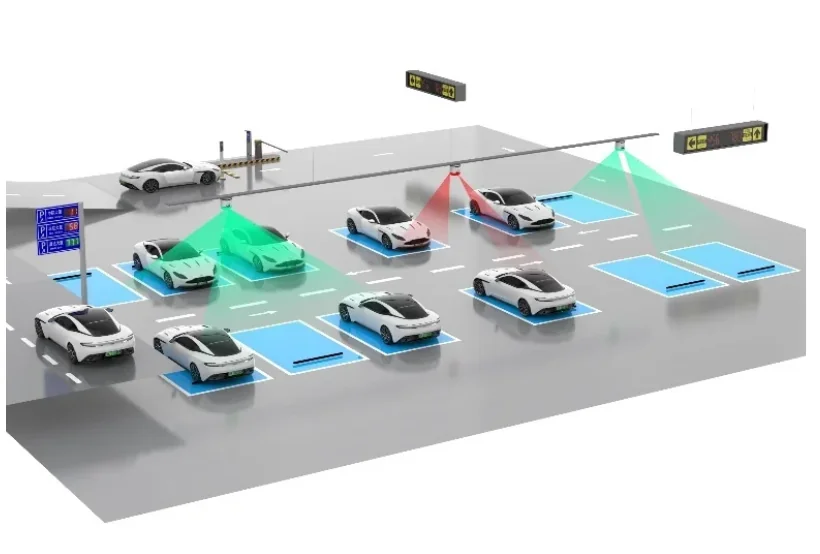
Our own parking management solution combines camera-based vehicle recognition with barrier equipment and management software. And our system can automatically scan license plates at entrances and exits, with software functions supportingtraffic-volume analysis, payment analysis, equipment status monitoring, customer classification, and parking finance management. The broader solution can also connect parking guidance, automatic charging, car-finding, and administrative management functions.
For B2B buyers, this system-level approach matters as suppliers provide far more than software; they also help define how vehicles can move through the facility and how operators can cope with after-installation information.
How Important Is Integration and Compatibility?
Integration capability should be evaluated before purchasing, especially when a project involves existing equipment or third-party systems. Buyers should ask what interfaces are supported, how data is exchanged, and whether the supplier can provide documentation and technical assistance during integration.
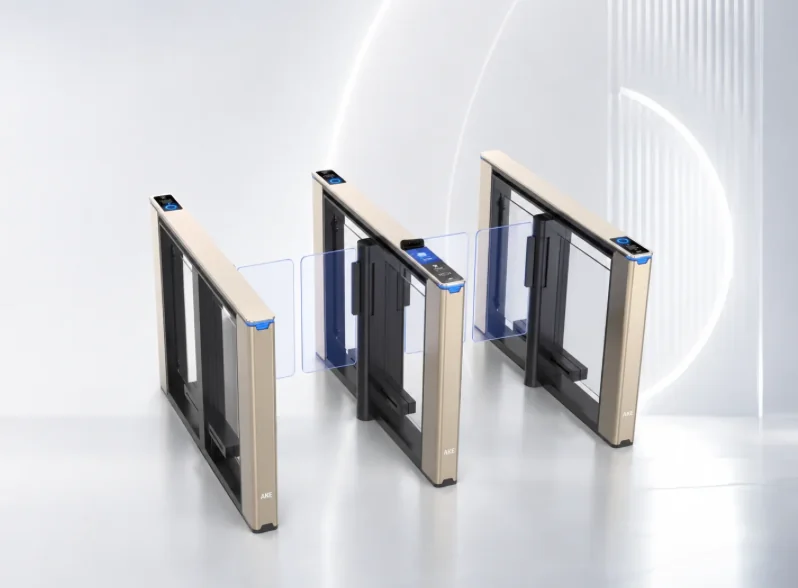
We design our solutions around connected parking and access operations. Our current product portfolio covers LPR and barrier systems, parking guidance, curbside management, identity and access authentication, pedestrian turnstiles, and RFID access control. This broader portfolio can help project teams coordinate different operational layers instead of purchasing unrelated components from multiple vendors.
What Should You Check About Product Reliability?
Reliability should be assessed through product design, testing, quality management, traceability, and evidence from completed projects. A low purchase price is less meaningful when equipment causes frequent service calls or disrupts parking operations.
At AKE, we maintain controlled production and traceability processes from materials through manufacturing, shipping, and construction. According to the company information we provide, our factory operates more than 10 professional machines and five complete production lines, with scanning operations used for product traceability. We also report 59 national patents, more than 30 official industry qualifications, 60 software copyright certificates, and 117 inspection reports.
Project experience is another useful reference. Our company website records deployments across major commercial and infrastructure environments, including a large parking solution at Shenzhen World Exhibition & Convention Center, where we provided camera parking guidance and an LPR barrier gate system for a complex with more than 12,000 parking spaces.
Can the Supplier Support Delivery and Project Implementation?
For B2B projects, delivery and implementation support can be as important as technical specifications. Delayed equipment can affect construction schedules, while insufficient documentation can increase integration and commissioning time.
Our factory information indicates a daily output of up to 500 sets and annual output of about 150,000 sets. We also use warehouse control processes and provide English documentation for international customers. For regular products, we state a delivery commitment of within three days, helping us respond to urgent requirements.
Buyers should still confirm lead times for project-specific configurations, customized products, and large-volume orders before signing a contract.
How Should You Compare Suppliers Beyond the Quotation?
The final comparison should consider total project value rather than unit price alone. A useful evaluation can include five questions: Does the supplier understand the application? Can its products integrate with the project? Is there evidence of quality and traceability? Can it meet the required schedule? And can its technical team support installation, commissioning, and future operation?
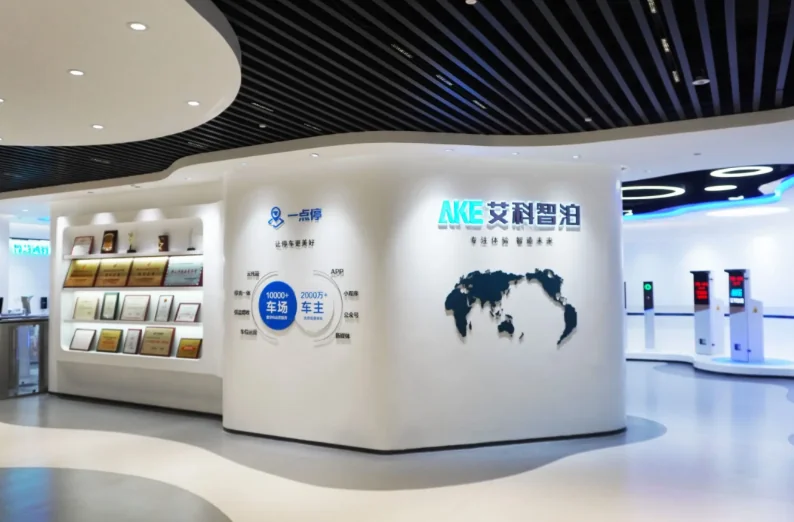
We believe that these criteria can lay a solid foundation for comparing car park management system suppliers. As a smart parking and access solution provider, we combine parking management, LPR and barrier systems, parking guidance, and access-control technologies to support different project requirements.
For organizations evaluating suppliers, the objective is not to find the cheapest equipment. It is to select a partner whose technology, manufacturing capability, documentation, delivery, and service can support reliable parking operations over the long term. AKE Parking is willing to communicate with project owners, integrators, operators, and contractors to discuss their requirements and jointly figure out a suitable solution.