Choosing an advanced parking technology is not merely about buying cameras, barriers, or parking displays. For a commercial complex, office building, airport, residential development, or smart-city project, the real challenge is selecting a complete system that can manage vehicle access, parking information, operational data, and future expansion.
For project owners, system integrators, developers, and parking operators, we recommend evaluating several factors before selecting among car park management system suppliers. The right decision should strike a balance between functionality, integration, reliability, scalability, and long-term operating requirements.

What Should a Smart Parking Management System Include?
A suitable smart parking management system should connect vehicle identification, access control, parking guidance, payment, and management functions into a coordinated workflow.
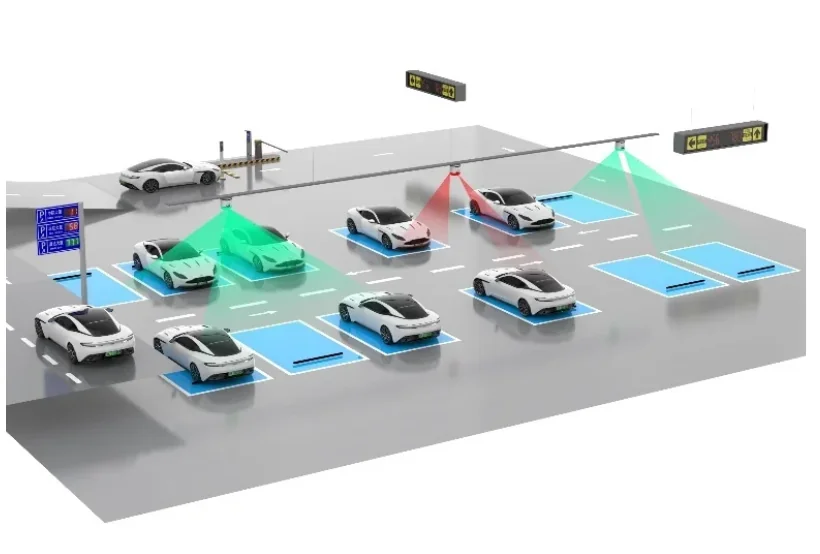
At the entry and exit points, license plate recognition and barrier equipment can automate vehicle identification and access. Inside the facility, parking guidance can use sensors and displays to communicate available spaces and directions. At the management level, software can collect operational information for monitoring and analysis.
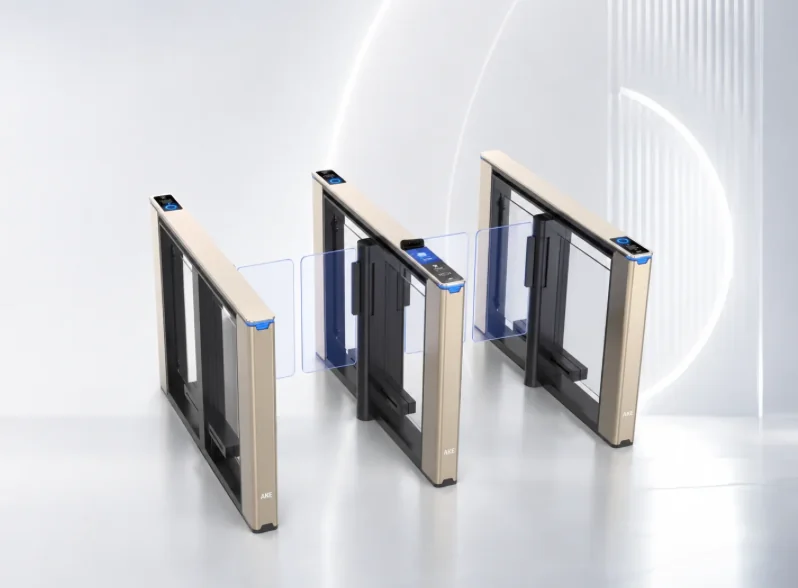
Our parking management solution combines these functions to support the complete parking process. Our official product portfolio includes LPR and barrier systems, parking guidance systems, curbside management, identity and access authentication, pedestrian turnstiles, and RFID access control systems.
How Should You Evaluate Car Park Management System Suppliers?
When comparing car park management system suppliers, one needs to take into account factors such as prices, after-sales services.
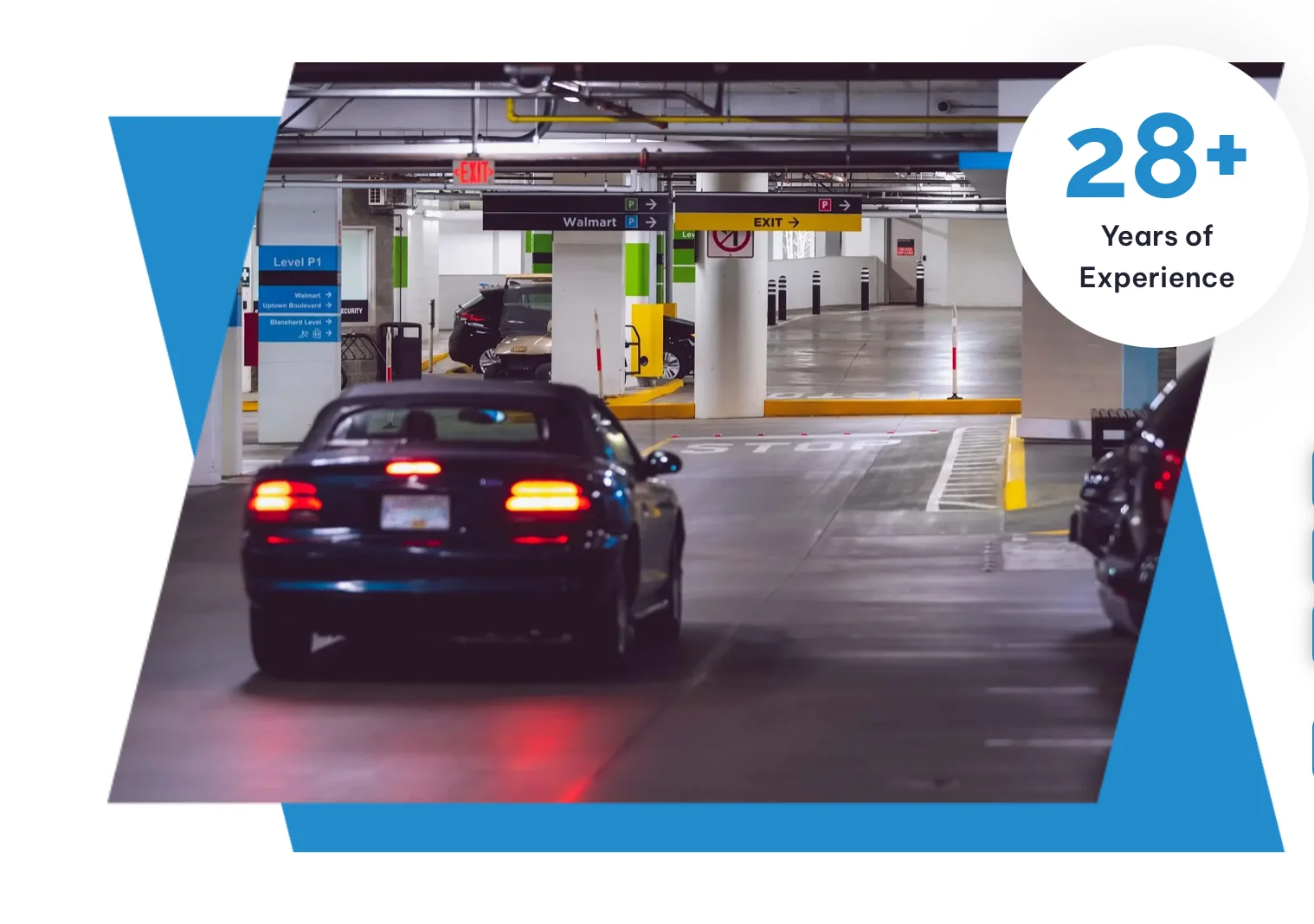
First, consider whether the supplier has experience across different project environments. Parking requirements for an airport can be very different from those of an office building or residential community. A supplier should therefore be able to adapt system architecture to traffic volume, parking layout, access policies, and operational objectives.
Second, evaluate integration capabilities. A parking system may need to communicate with payment equipment, CCTV, building access control, elevators, mobile applications, or existing management platforms. An isolated product can create unnecessary integration work later.
Third, consider technical support, documentation, customization, and long-term maintenance. These factors directly affect project deployment and operational continuity.
Which Parking Functions Matter Most for a Project?
A paramout function depends on the project’s operational requirements rather than the number of features listed in a brochure.
For vehicle entry and exit, license plate recognition can automate identification and support faster access. Our parking management system documentation describes camera-based entrance and exit management, parking fee collection, traffic-volume analysis, online equipment monitoring, customer classification, and parking finance management.
For large indoor facilities, parking guidance is equally important. Occupancy detection can provide information about available spaces, while dynamic displays can direct drivers toward open areas. Our current product portfolio includes dedicated parking guidance solutions, while our ultrasonic parking guidance sensor supports real-time occupancy detection through non-contact ultrasonic ranging. It operates at DC 12–30V, has rated power consumption of no more than 2W, and uses RS485 communication.
These functions should be selected according to the site’s actual traffic patterns and management objectives.
Why Is Integration Important for Smart Parking Projects?
Integration plays a vital role: parking represents a complete operational workflow, not just an assembly of separate standalone devices..
A vehicle enters through an access point, its identity is recognized, the barrier responds, parking occupancy information changes, payment may be processed, and the vehicle eventually exits. If these stages operate independently, operators may have difficulty obtaining consistent information or diagnosing problems.
We therefore design our solutions around connected parking and access workflows. Our current solutions cover parking entry, parking guidance, curbside management, and pedestrian access control, allowing project teams to consider the entire movement journey rather than purchasing disconnected equipment.
How Can AKE Parking Support Different Project Requirements?
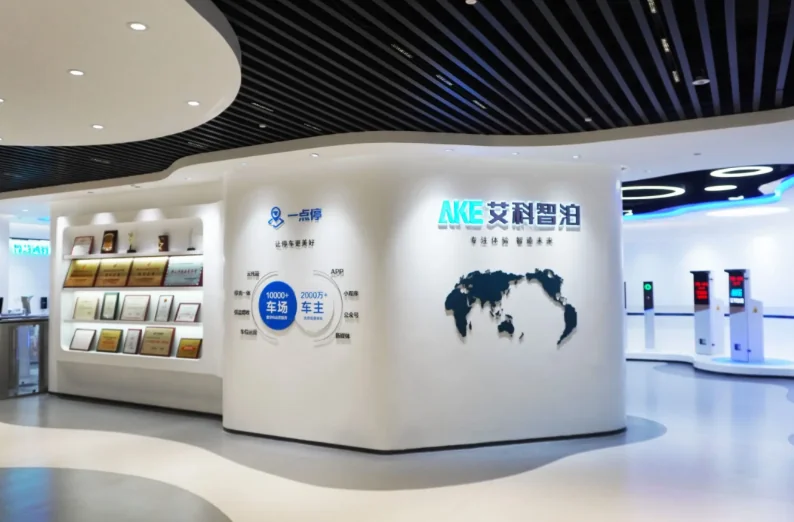
At AKE Parking, we focus on providing integrated smart parking and access solutions that help businesses, developers, and system integrators address complex parking challenges. Our product portfolio covers parking guidance systems, parking management solutions, LPR and barrier systems, access control solutions, and related mobility applications.
Our solutions are designed for environments including shopping malls, office buildings, residential communities, airports and transport hubs, smart cities, and industrial and logistics parks.
We also support project-based solution design rather than limiting customers to standard standalone equipment. Our current website describes consultation, customized solution design, production and delivery, and deployment support as part of the project process. We also provide OEM/ODM options, technical documentation, remote setup guidance, and ongoing firmware support.
For B2B customers, this approach can be particularly valuable when project requirements differ from one site to another.
What Is the Best Way to Select a Parking System?
The best approach is to begin with the project instead of starting with a product catalogue. Define the number and type of parking spaces, expected traffic volume, entry and exit configuration, guidance requirements, payment process, access policies, existing systems, and future expansion plans.
Then compare car park management system suppliers according to their ability to meet those requirements with a reliable and integrated architecture.
For us, the goal is not simply to provide individual parking devices. We aim to help project owners, integrators, operators, and developers build practical parking and access solutions that improve operational efficiency while remaining adaptable to future needs. Our experience across parking management, guidance, LPR, and access control enables us to approach each project from a system perspective.
A well-selected smart parking management system should ultimately make parking easier to operate, monitor, and upgrade. By evaluating technology, integration, supplier capability, and project-specific requirements together, businesses find it easy easy to make a more informed investment and build a parking infrastructure, whichsupports long-term operational goals.