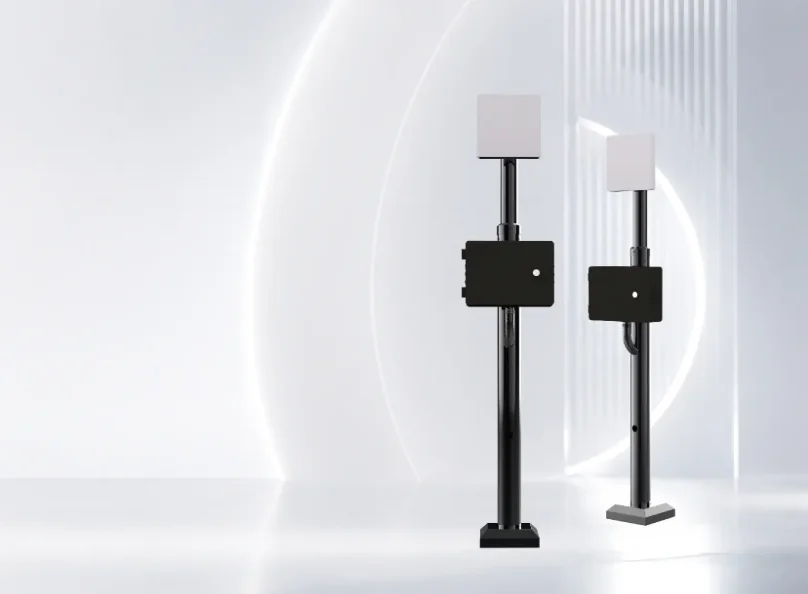
A modern parking facility relies on more than barrier gates and payment machines. A complete smart parking management system connects features a sound coordination among vehicle identification, access control, parking guidance, payment, data management, and operational monitoring. For project owners and system integrators, understanding these components grows even more important when selecting a solution to meet both current operational needs and future expansion.
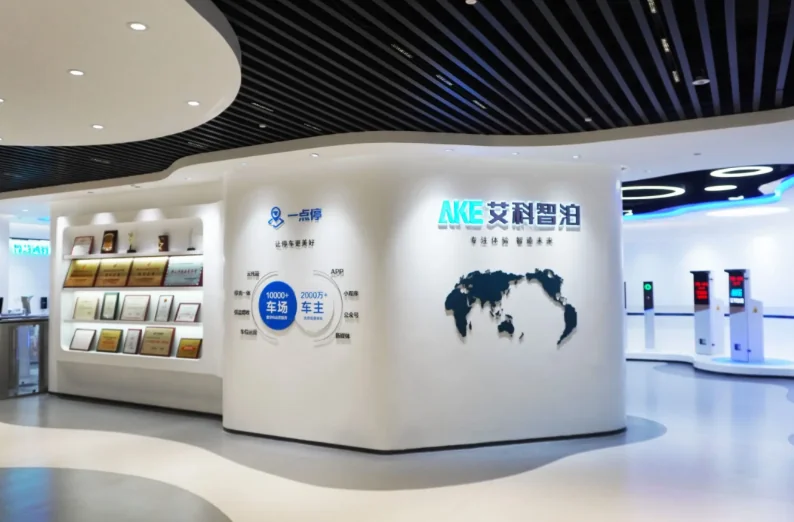
At AKE Parking, we develop integrated parking and access solutions designed for commercial complexes, office buildings, residential communities, airports, industrial parks, and smart-city applications.
What Is a Smart Parking Management System?
A smart parking management system uses hardware, software, and communication technologies to automate vehicle access and provide operators with real-time information about parking operations.
Instead of treating every device as an independent unit, the system connects entrance and exit equipment, vehicle recognition, parking-space information, payment functions, and management software. This integrated approach can help operators improve traffic flow, reduce manual intervention, and make better use of parking data. AKE’s parking management solution, for example, combines license-plate recognition, barrier control, parking management software, and operational data analysis.
What Are the Core Components of a Smart Parking Management System?
The core components normally include vehicle identification, barrier control, parking guidance, payment and management software, and communication infrastructure. Each component performs a different role, but their value comes from working together.
1. LPR Cameras and Vehicle Identification
License plate recognition is one of the most important components because it provides an automated way to identify vehicles entering or leaving a facility.
AKE’s parking solutions use LPR technology to recognize vehicle license plates and connect identification with access-control rules. This can support authorized access, visitor management, and automated vehicle entry and exit without relying exclusively on physical parking cards.
2. Barrier Gates and Access Control
After a vehicle has been identified, the barrier system controls whether the vehicle can proceed. A reliable barrier must therefore work as part of the wider management system rather than operate as an isolated mechanical device.
AKE provides LPR and barrier systems designed for vehicle access control, with integrated hardware and software supporting automated parking-entry and exit workflows. This type of architecture is particularly useful for B2B projects where operators need consistent access rules and centralized management.
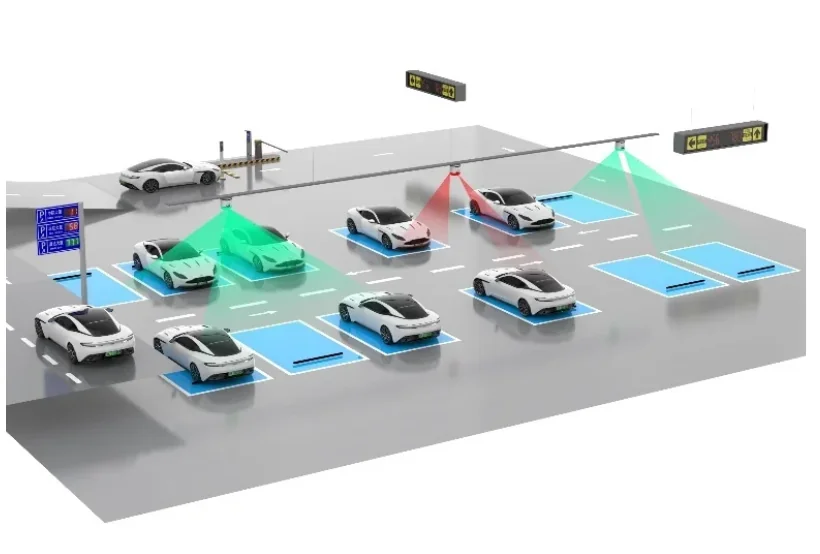
3. Parking Guidance and Space Detection
Finding an available space is another important part of the parking experience. Parking guidance systems use space-detection technology and information displays to help drivers identify available areas more efficiently.
For example, AKE’s ultrasonic parking guidance sensor supports parking-space status monitoring, parking-time recording, and local data storage. We use ultrasonic detection, RS485 communication, DC 12–30V operating voltage, and have a rated power consumption of no more than 2W.
The resulting occupancy information can then support guidance displays and parking-management decisions.
4. Parking Management Software
Hardware alone cannot provide centralized operational control. Management software collects information from different devices for operators.
AKE’s parking management solution can provide information such as parking duration, parking position, occupied and available spaces, and traffic volume. It can also display the real-time status of detectors and dynamic signs while generating reports for parking management.
For operators and car park management system suppliers, this software layer is particularly important because it transforms equipment data into actionable operational information.
5. Payment and Revenue Management
Payment management connects parking usage with the commercial side of facility operation. Depending on the project design, payment may involve manual collection, computers or mobile devices, or automated payment equipment.
AKE’s parking management solution supports payment-management workflows designed to reduce unnecessary stopping at exits and improve vehicle throughput.
How Should Businesses Choose the Right System Components?
Businesses should evaluate the complete parking workflow rather than purchase individual devices based only on specifications.
For a new commercial parking project, decision-makers should consider traffic volume, entrance and exit configuration, parking-space capacity, payment requirements, network architecture, guidance requirements, integration with existing systems, and future expansion.
We believe an effective solution should also support different operating environments. AKE provides parking and access solutions for shopping malls, offices, residential communities, airports, smart cities, and industrial/logistics parks, allowing system configurations to be adapted to different operational requirements.
Why Choose AKE Parking for Smart Parking Projects?
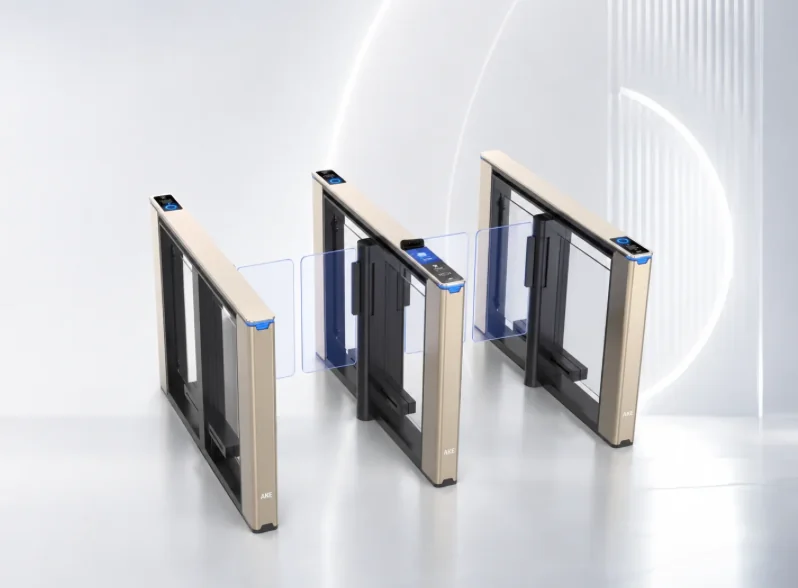
At AKE Parking, we combine parking hardware, access-control technologies, and software-oriented management into integrated solutions. Our product portfolio covers LPR and barrier systems, parking guidance, curbside management, identity and access authentication, pedestrian turnstiles, and RFID access control.
For B2B customers, this integrated capability can simplify project coordination because multiple parking functions can be planned as one operational ecosystem rather than a collection of disconnected devices.
Whether you are an operator, property developer, system integrator, distributor, or project consultant, we can work with you to evaluate the parking environment and select an appropriate combination of technologies.
A successful smart parking management system is ultimately not defined by one camera, barrier, or sensor. Its value comes from how effectively identification, access control, parking guidance, payment, and management software work together. By considering the complete system architecture from the beginning, businesses can build parking operations that are more organized, measurable, and scalable.