When businesses begin planning a new parking project, one of the first questions is often: How much a parking management system will cost? The practical answer is that there is no single standard price. The final investment depends on the parking capacity, number of entrances and exits, equipment configuration, software functions, communication infrastructure, installation conditions, and level of integration required.
For property developers, parking operators, system integrators, and contractors, understanding these factors before requesting quotations makes it easier to compare solutions based on total project value rather than equipment price alone.
What Determines Parking Management System Cost?
The main cost drivers are hardware, software, infrastructure, integration, installation, and long-term maintenance. A parking project should therefore be evaluated as a complete system rather than as a collection of individual devices.
According to the U.S. Department of Transportation’s ITS Deployment Evaluation knowledge base, advanced parking management system costs can vary significantly depending on information accuracy, sensor installation complexity, communications, power availability, and signage requirements.
This holds particular relevance for commercial facilities because two parking garages with similar capacities may have completely different project costs.
How Does Hardware Affect Parking Management System Pricing?
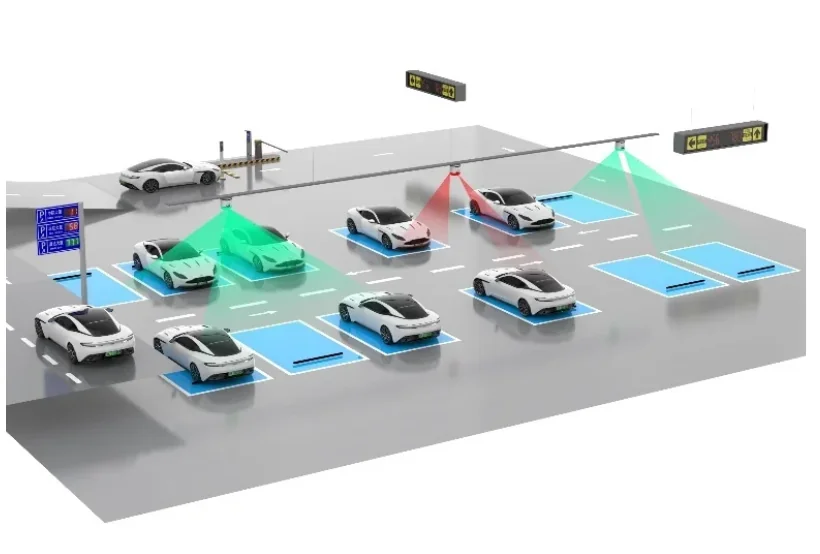
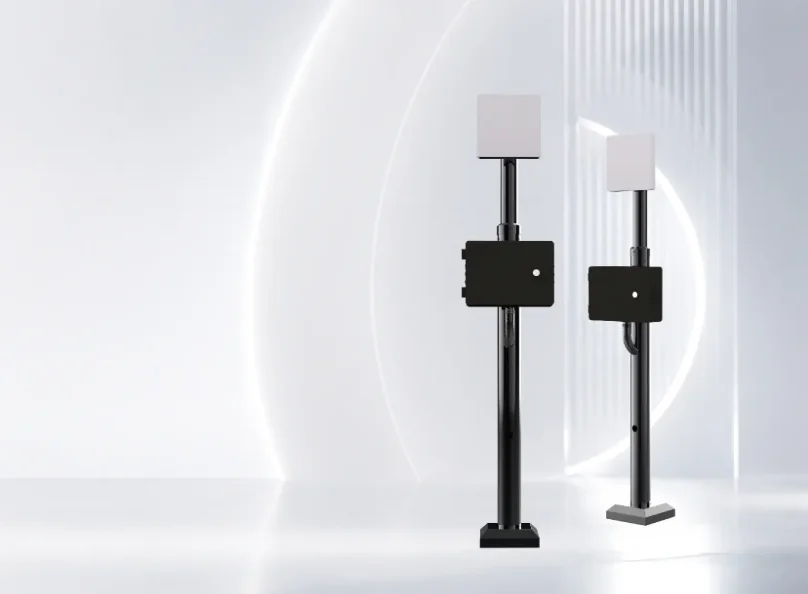
Hardware configuration is usually one of the most visible parts of the budget. A basic project may require entrance and exit controllers, license plate recognition cameras, barrier gates, and management terminals. More sophisticated facilities may also require parking guidance sensors, information displays, payment equipment, and additional access-control devices.
Our parking management system integrates entrance and exit management with software functions such as vehicle classification, payment management, traffic-volume analysis, system monitoring, customer classification, and parking finance management. Our solution can also connect parking guidance with the wider parking process, helping operators manage the facility from entry to exit.
The right hardware should therefore be selected according to actual traffic volume and operating requirements, rather than simply choosing the lowest-cost equipment.
Why Do Software and Integration Increase the Total Cost?
Software determines how effectively hardware can work together. A system that only opens barriers is fundamentally from one that manages vehicle identification, payments, user categories, financial reconciliation, equipment status, alarms, and operational data.
Integration can also become a major cost factor. For example, a commercial property may need the parking platform to communicate with payment systems, building management platforms, access control, or third-party applications.
For B2B buyers, it is important to ask what is included in the software quotation: licenses, interfaces, database functions, reporting, remote management, updates, and technical support should all be clarified before comparing suppliers.
How Do Site Conditions Change Installation Costs?
Installation conditions can substantially affect the project budget. New construction generally provides more flexibility for power, network cabling, equipment foundations, and sign placement. Retrofitting an existing garage can require additional civil work, wiring, network deployment, traffic management, and night-time installation.
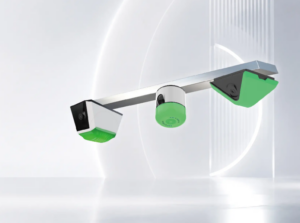
Parking guidance projects are particularly affected by site conditions. Sensor positions, ceiling structures, columns, driving routes, communication networks, and decision points all influence system design. A professional site survey should therefore be completed before final equipment quantities are confirmed.
How Should Businesses Compare Car Park Management System Suppliers?
Businesses should compare car park management system suppliers according to the complete project scope, not just the unit price of cameras or barrier gates.
A reliable supplier should be able to discuss system architecture, hardware compatibility, software functions, installation requirements, integration capabilities, documentation, after-sales service, and future expansion.
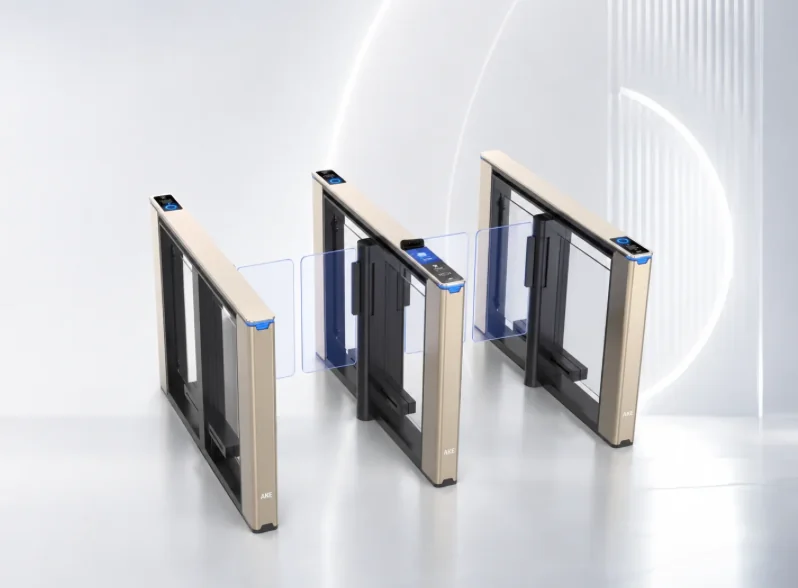
For international projects, documentation and communication are also important. We provide English documentation for international customers and support integrated parking and access solutions for different application scenarios. Our current product portfolio includes LPR and barrier systems, parking guidance systems, curbside management, identity and access authentication, pedestrian turnstiles, and RFID access control systems.
Why Is Total Cost of Ownership More Important Than Initial Price?
The lowest quotation does not necessarily represent the lowest long-term cost. Businesses should consider maintenance, replacement parts, software support, system upgrades, energy consumption, troubleshooting, and potential expansion.
A reliable system can also reduce operational costs by automating vehicle identification, payment management, monitoring, and reporting. Our parking management solution, for example, supports operational data analysis and equipment-status monitoring, allowing operators to make decisions based on actual parking activity.
This makes total cost of ownership a more useful purchasing metric than initial equipment price alone.
How Can AKE Parking Support B2B Parking Projects?
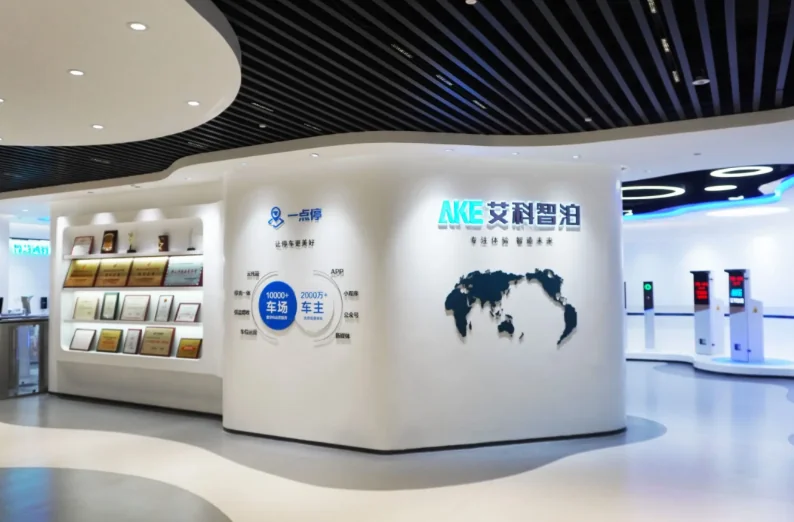
As a professional smart parking solution provider, we focus on integrated parking and access-control technologies for commercial facilities, offices, residential communities, airports, transport hubs, industrial parks, and smart-city applications.
At AKE Parking, we work with project owners, parking operators, system integrators, and contractors to develop parking solutions based on specific project requirements. Our team can support system configuration, equipment selection, technical integration, and project coordination, helping customers balance investment, operational performance, and future expansion when planning a parking management system. Our solutions cover the vehicle journey from identification and controlled entry through parking guidance, payment, monitoring, and exit management.
For a project quotation, we recommend providing the parking capacity, number of lanes, entrance and exit layout, expected traffic volume, payment requirements, existing infrastructure, and required third-party integrations. These details allow a supplier to develop a more accurate system configuration instead of offering a generic equipment price.
Ultimately, parking management system cost should be evaluated according to performance, scalability, integration, reliability, and lifecycle value. By comparing complete solutions rather than isolated products, B2B buyers can make a more informed investment and build a parking operation that is ready for future growth.