A parking permit record can justify an access decision while its associated entrance events also reveal a vehicle’s movements. Those uses create different questions about which information is necessary and who needs to see it.
The record’s purpose determines which uses need separate justification. Its collection, exchange, access, and continued retention all require decisions. These decisions must remain meaningful as the permission changes or ends.

Give Each Collected Field a Parking Purpose
The collection brief can explain how each proposed item supports the parking task. Eligibility information supports an access decision; a passage history may serve an investigation or operating review. Planning lpr parking management systems around these stated purposes helps the operator judge which information is needed for each task and which additional detail would require another explanation.
A receiving display, an eligibility administrator, and a diagnostic investigator can need different information from the same operation. Review each proposed exchange against the recipient’s task instead of distributing the complete record by default. The resulting description can name the fields required, the intended use, and the receiving party responsible for interpreting them within that limited purpose.
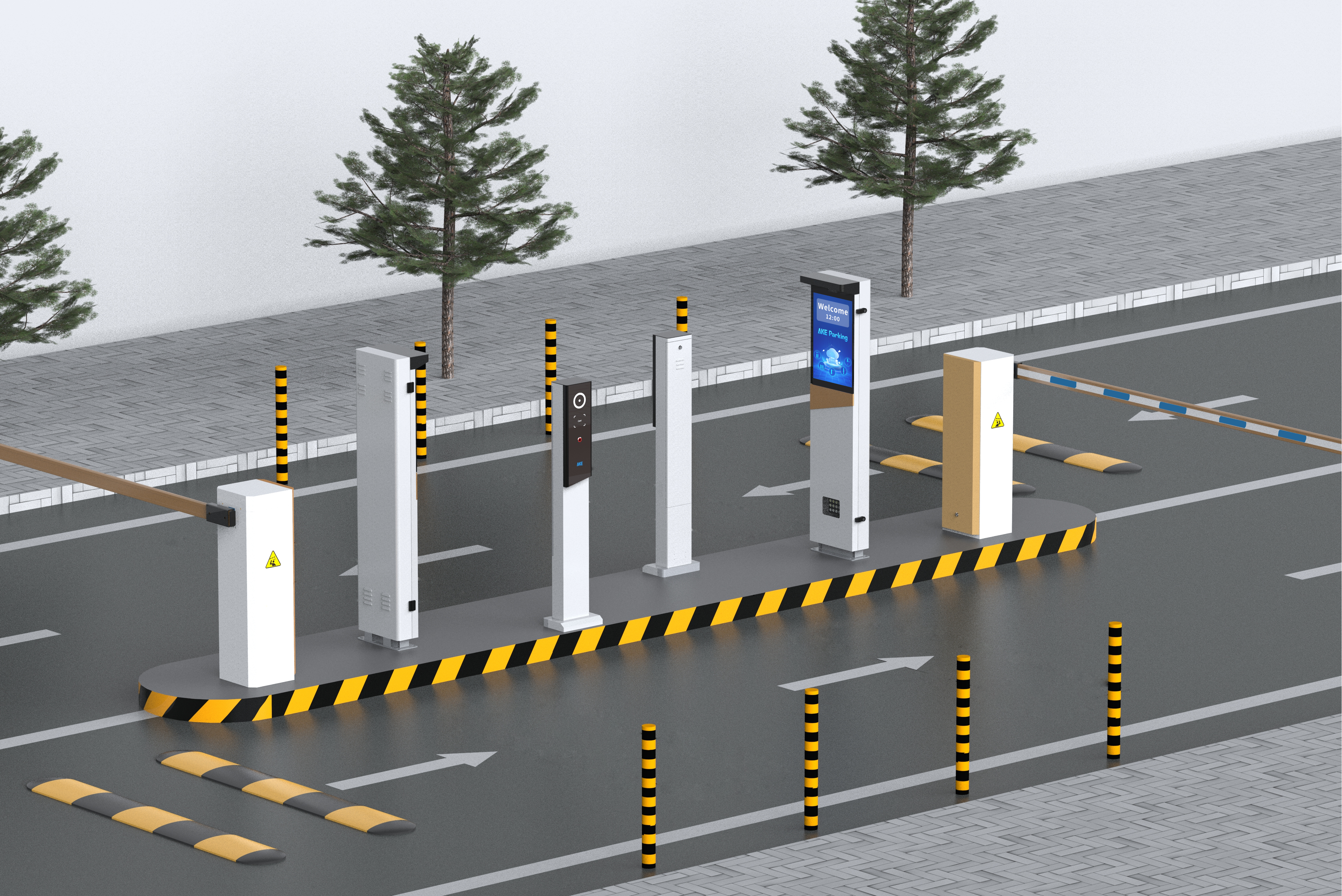
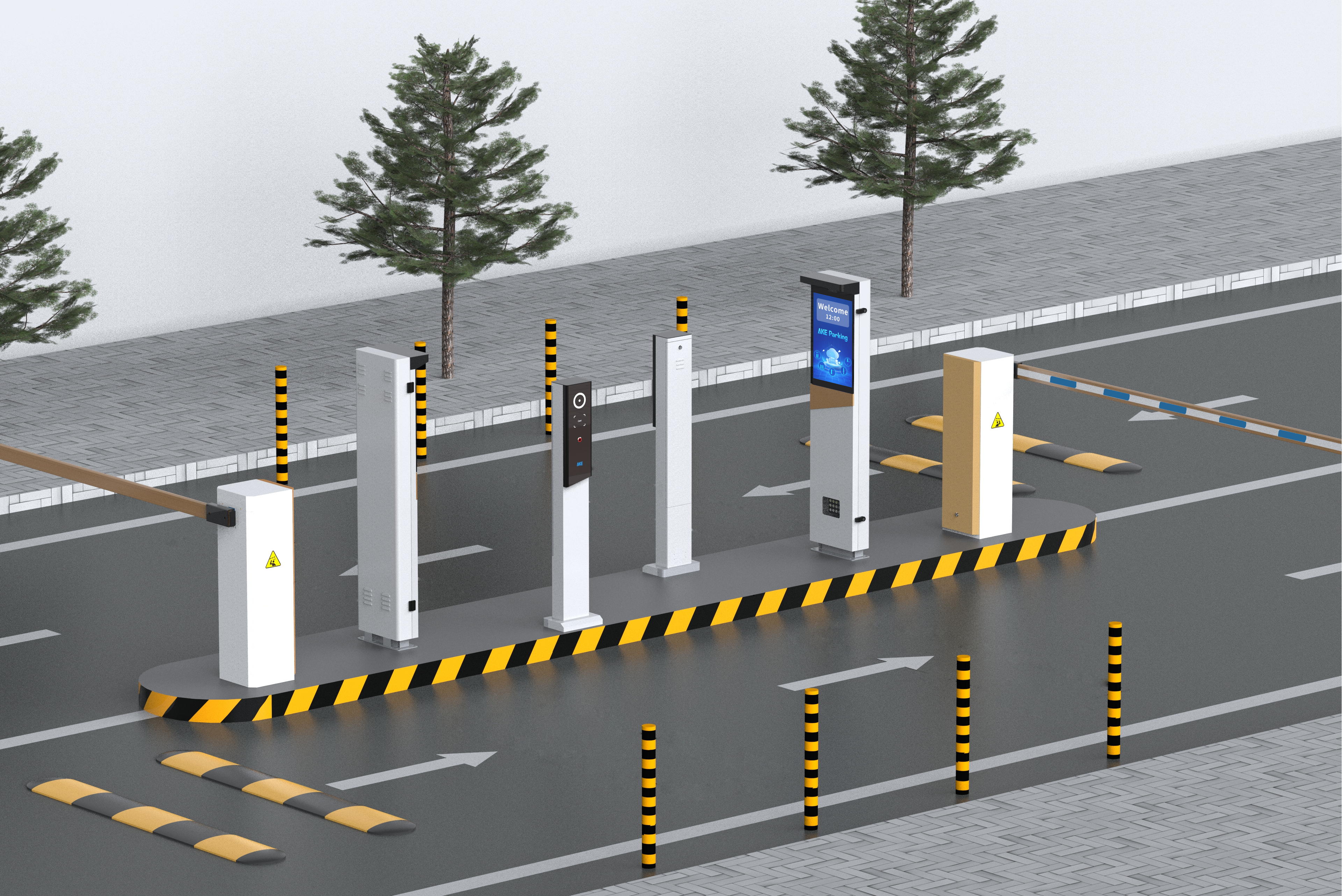
For a parking permit management system, a boundary diagram can place those exchanges beside permitted protocols, security zones, and the server or cloud party responsible for the connection.
Logging and diagnostic access also belong in the plan. The diagram serves the record-use decisions: each connection needs an explained purpose and a recipient, rather than becoming an unexplained route for additional information.
Allocate List Changes and Record Visibility
Resolving an admission question requires a view appropriate to that question, while maintaining eligibility may require authority to add or cancel entries. These tasks can be assigned separately in the operating plan for lpr parking management systems. A role description can state the relevant records, permitted action, and reason for access, so that the receiving team can understand how a change was authorized.
Our All-in-One LPR Camera at AKE Parking supports blacklist and whitelist management, providing a concrete list object for those operating decisions. It also supports non-motor vehicle filtering and virtual-loop vehicle-type detection for complex entrance traffic. In a parking permit management system project, the operator defines the people responsible for list changes and the uses of the resulting vehicle records.
A manual override needs an additional record explaining why ordinary handling changed. The plan can identify who approves it, which permission or area it affects, and who reviews its ending. A diagnostic request needs similarly defined evidence and access. Both activities need a stated purpose. The information provided must match the action the authorized person needs to take.
Draw a Boundary Around Adjacent Access Data
A pedestrian card identifier, a face record, and a vehicle permit serve different access purposes within the same property. Our IC Access Control Card Reader serves separate pedestrian and building access, supporting IC/ID dual-frequency cards, encrypted data transmission, standard Wiegand output, and one-card-one-key encryption.
Confirming protection across a proposed parking connection requires evidence about each implemented transmission segment, beyond the reader’s stated local capabilities. Our separate Pro Integrated Access Controller is a card-based pedestrian terminal for settings including office lobbies, industrial parks, communities, and turnstiles.
It stores up to 100,000 whitelist records and 100,000 access logs, with TCP/IP uploads for centralized group management. A parking permit management system may sit beside this installation; any shared record needs its own agreed purpose and access scope.
Our 8-inch Face Recognition Terminal offers blacklist alerts, stranger capture, a tamper alarm, and dual-camera liveness detection in its separate pedestrian identity scope. Capacity is 50,000 faces and 100,000 image-bearing access records.
During planning for lpr parking management systems, these figures describe the specifications of the adjacent access-control device. Parking-record storage and retention decisions need their own definitions, tied to the information actually used by the parking operation.
Review Retention When the Original Use Changes
Retention begins with a continuing purpose for a record and a review point assigned to a responsible person. A permit change can alter that purpose even while related evidence remains useful for a defined inquiry. The retention plan for lpr parking management systems can distinguish active eligibility, historical passage information, and diagnostic evidence, explaining why each category remains necessary.
The parking permit management system review can consider who still needs access after an approval changes or ends. Keeping evidence for an unresolved question requires an explained scope and a later review of that need. The project can specify these decisions without treating a device’s storage capacity as the reason to keep every entry indefinitely or setting an unsupported legal timetable.
Override evidence also needs review when temporary handling finishes. Check whether the exception has ended and what purpose its record continues to serve. Diagnostic material can be considered separately from the original permission record because it answers a different question. These decisions concern the operating procedure and assigned people; a described governance requirement must be implemented and checked within the actual project.
The end of a permit’s active use is a new decision point for its associated records. The operator can revisit their visibility and retention while preserving evidence still needed for a defined purpose. That review completes the record’s lifecycle beyond the admission decision. Every retained record needs an explainable use, an identified access group, and a current reason to keep it.