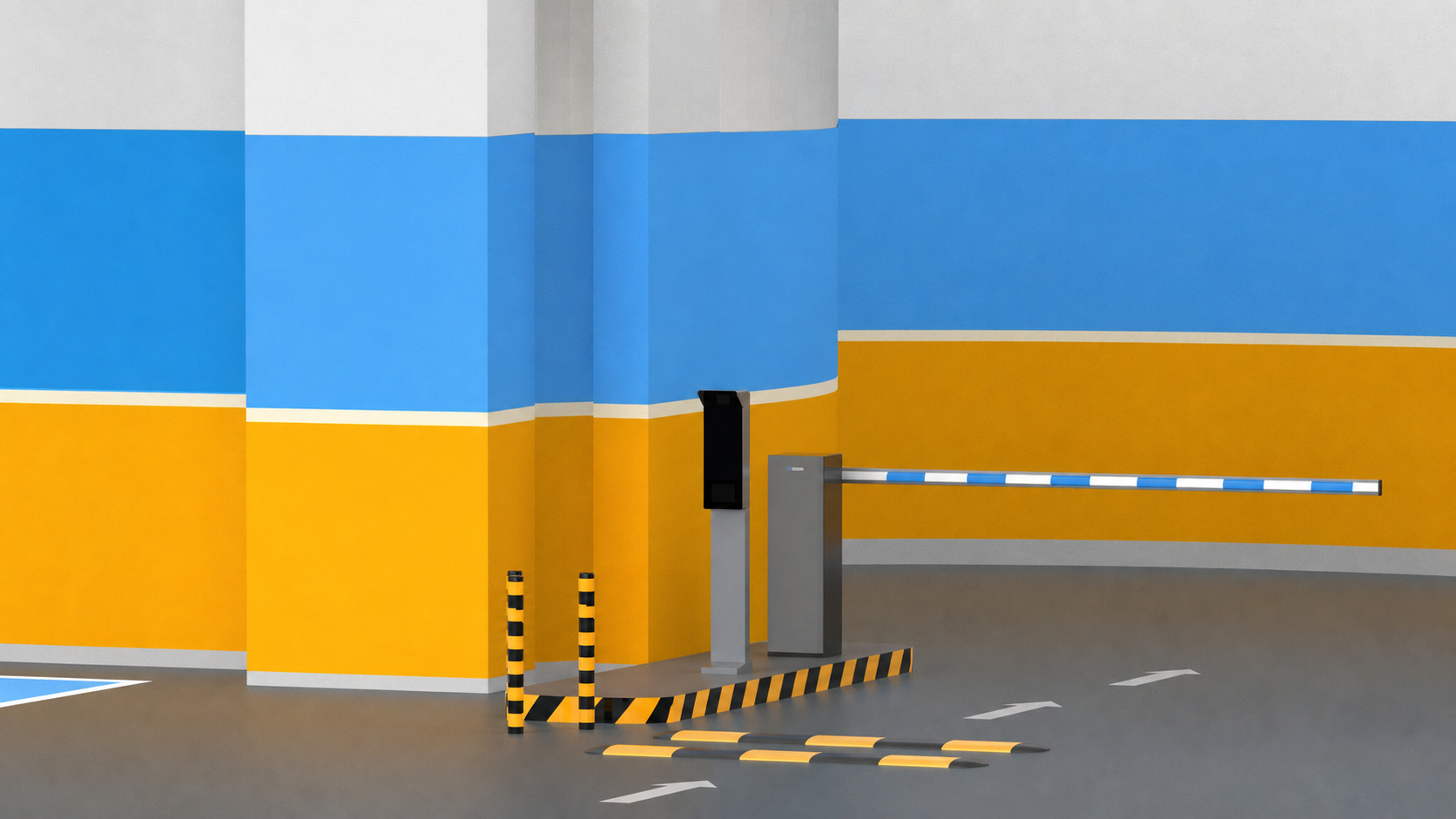
Employee cars may arrive together at shift changes, while visiting cars and delivery vehicles can require different directions and entry checks. Their shared entrance must accommodate variations in timing, vehicle position, and the attention required from staff.
Vehicle routines shape the design of industrial parking. Capture conditions, weather protection, and controlled barrier movement translate the lane plan into equipment requirements.
Separate Arrival Groups Before Setting Lane Rules
Employee, visitor, and logistics categories describe operating needs rather than features visible in a registration plate. Each category can have a destination, an entry condition, and a person responsible for unresolved requests.
When specifying lpr parking management systems, the park can describe those requirements before deciding how identification results will be used at the entrance. The park supplies the grouping and its associated permissions as operating instructions for the configured entrance.
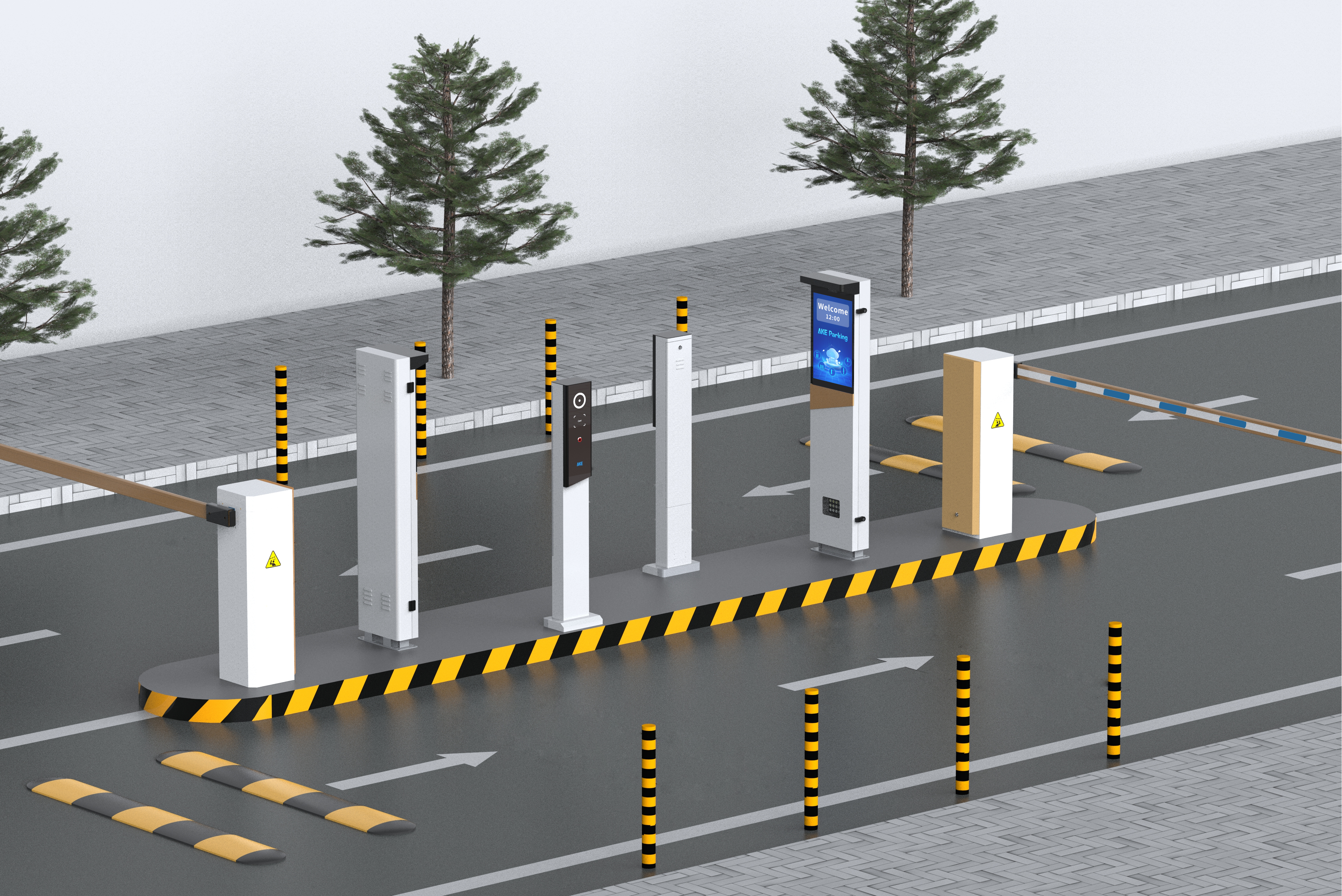
A staff arrival with established permission requires a different conversation from a delivery driver needing directions. The lane arrangement can identify where either interaction occurs and how other vehicles approach while it is resolved. Vehicle height, turning space, and the driver’s view of instructions also belong in the brief. These observations inform equipment positions and operating procedures.
For anpr parking, the category rules need to state who confirms a visitor or delivery request and which area the vehicle may reach. A readable plate becomes one input to that arrangement. Pedestrian approaches require their own circulation and access arrangements, particularly where people and vehicles approach neighboring entrances during the same shift change.
Position Capture Around the Approaching Vehicle
Capture takes place at a particular position in a moving vehicle’s approach. Video triggering or a loop trigger establishes when an image is obtained, while the camera view determines which part of the vehicle is visible. An anpr parking layout must bring the expected plate position into that view at the chosen trigger point.
A stated capture condition such as travel below 20 km/h belongs in the approach design. Staff need to assess whether vehicles can follow that condition before reaching the reading point. It is an equipment use condition rather than a legal speed limit.
A truck’s plate position and a car’s plate position warrant checks against the proposed mounting view. If a common mounting view cannot accommodate both positions, the installation needs a different arrangement.
The capture assessment for lpr parking management systems can use the vehicle groups expected at the entrance. Check their approach paths, image coverage, and stopping positions without assuming identical geometry.
Record the plates the selected controller supports alongside those observations. A commissioning image needs to show the relevant registration under the actual approach conditions being evaluated.
Keep the Imaging Window Usable in Changing Weather
Condensation on an imaging window can obscure the view even when the vehicle is correctly positioned. Rain and changing brightness introduce additional conditions around capture. Protection of that window and supplementary illumination address different parts of the task. Site inspection can identify exposure, lighting changes, and access for checking the equipment between operating shifts.
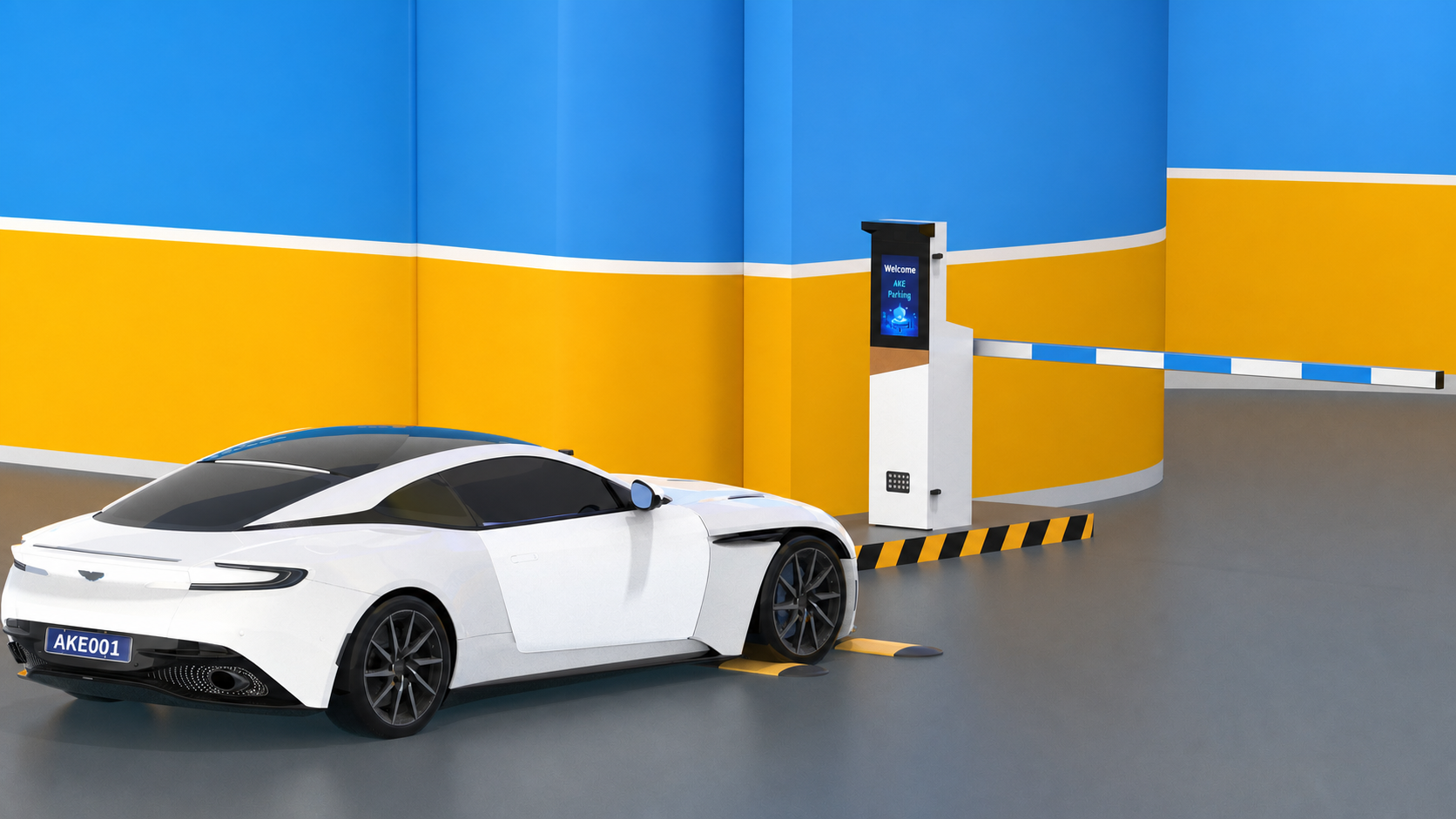
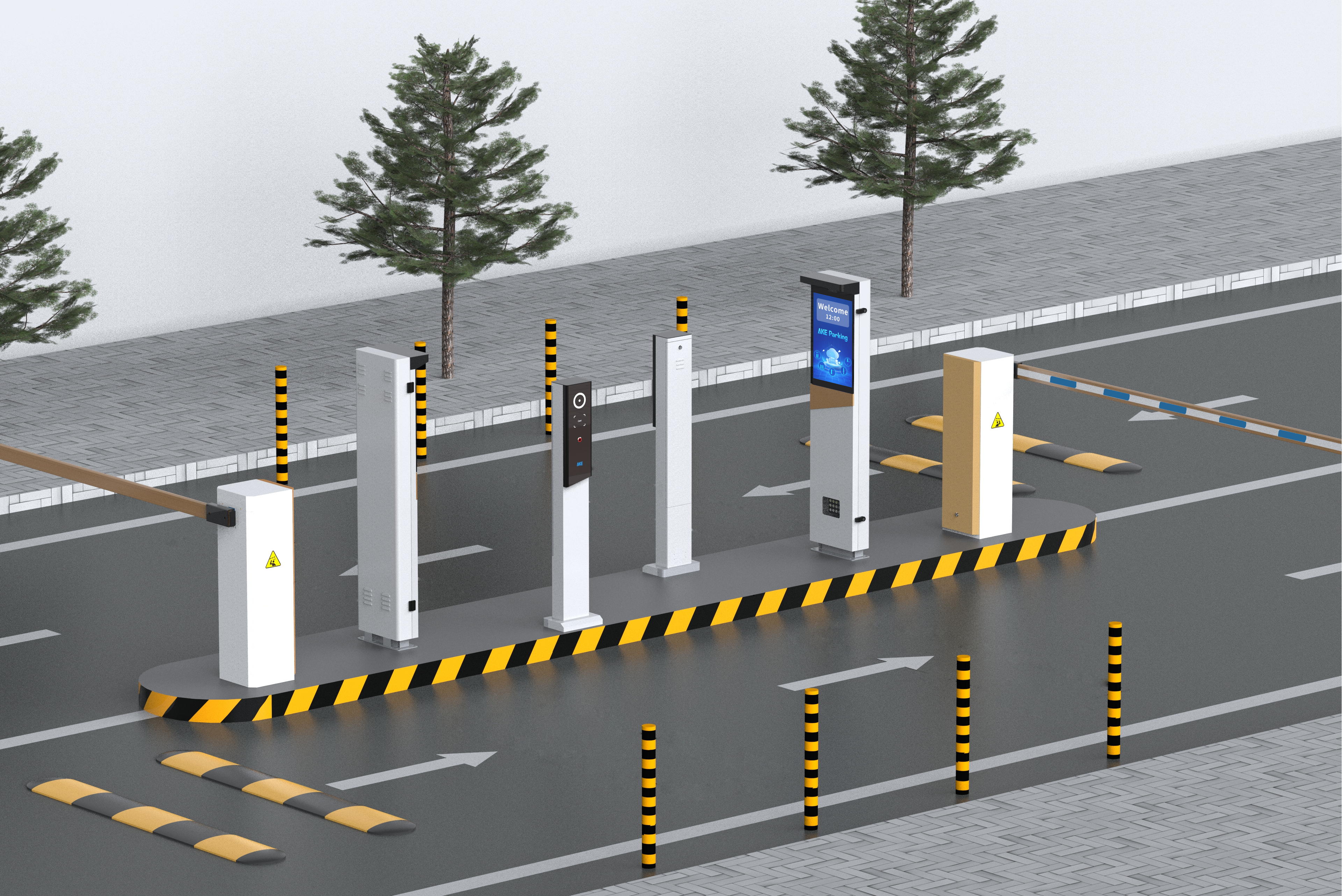
For that exposed imaging window, our AKE Parking Pro LPR Controller combines a rain cover, defogging fan, and heated anti-fog glass with LED supplementary lighting. Its 5MP camera supports Guangdong, Hong Kong, and Macao plates for vehicles traveling below 20 km/h, with video or loop-triggered capture. These features provide specific equipment choices for an anpr parking installation whose vehicle approaches and plate coverage have been assessed.
Our Pro terminal has IP54 protection and a 12.1-inch color LCD for QR codes, access messages, and graphical interaction, alongside customized voice prompts. Recognition, display, payment control, and data management are integrated in the unit.
In lpr parking management systems, capture checks and driver-message checks can therefore be recorded separately, covering both readable images and understandable instructions under the inspected conditions.
Pair Frequent Barrier Movement With Vehicle Protection
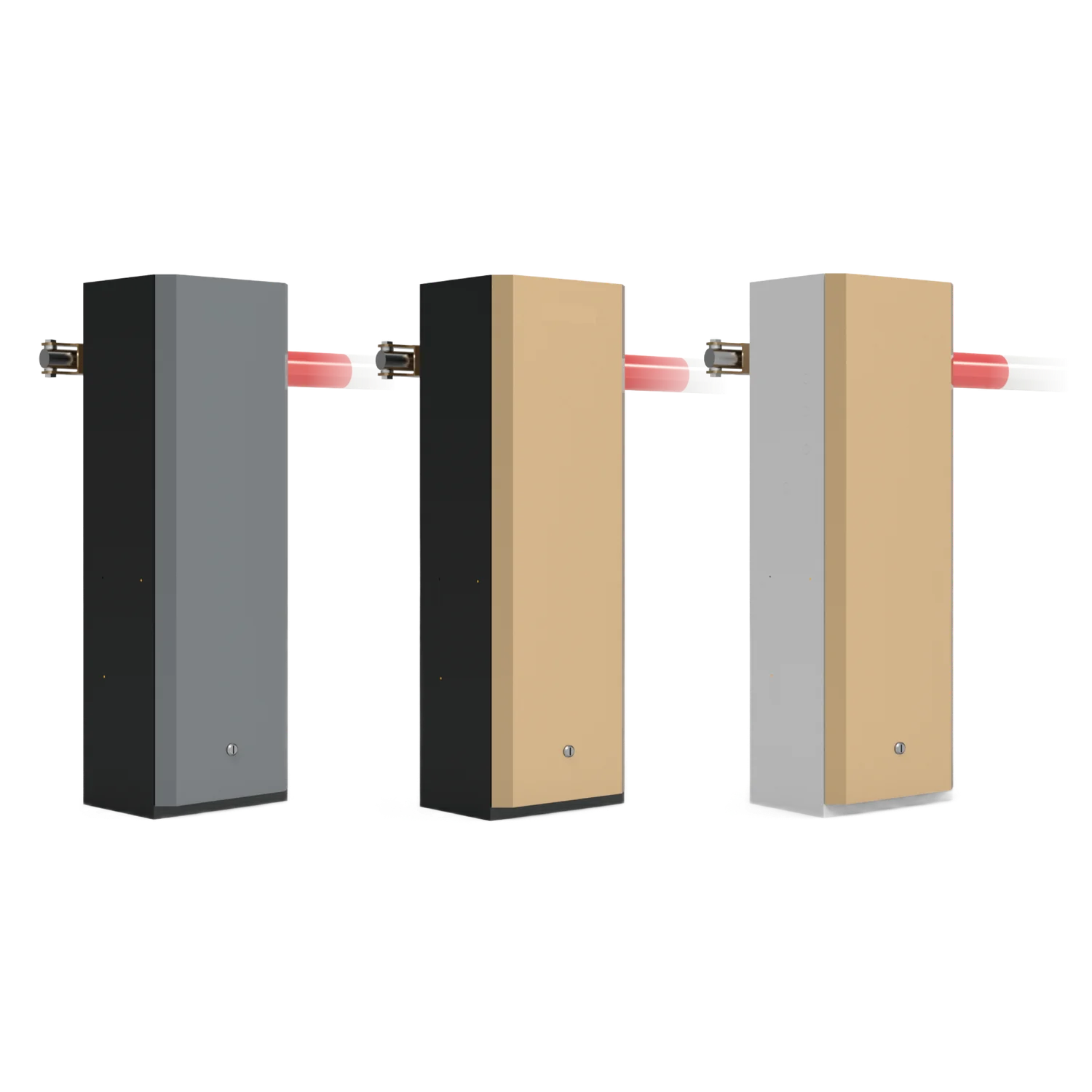
Repeated opening and closing places attention on the movement mechanism and its adjustment. Our High-Speed Barrier Gate uses a 24V DC brushless motor and planetary gearing, with smooth arm motion and low heat generation during repeated use. Its adjustable movement time is 1–6 seconds. Planning lpr parking management systems requires matching that movement to the lane’s complete passage sequence.
Straight, fence, foam, and folding-fence arms provide different physical arrangements, with illuminated arms available as an option for nighttime or difficult weather. The gate specifies IP54 protection and operation from -40°C to +85°C.
Its five-million-cycle service-life specification informs mechanical selection; maintenance access and service responsibilities still need to be recorded for the installed gate and its operating environment. Keep inspection access clear around the moving mechanism.
Our gate provides loop-based anti-smashing, expansion for infrared or pressure-wave protection, and fire alarm linkage. Acceptance for anpr parking can examine the installed detection areas, vehicle passage, closing response, and emergency linkage as separate cases.
Our one-year warranty belongs in the handover as a support commitment, alongside the maintenance responsibilities and the gate’s separate mechanical performance and service-life specifications.
Trial records covering vehicle groups, darkness, and rain or fog can serve as the shift team’s operating reference. They can identify the checked capture position, installed protective devices, emergency response, and contacts for unresolved admission requests.
Subsequent shifts can use the same records when conditions change, keeping each vehicle group’s passage tied to its verified reading conditions and protective release sequence.