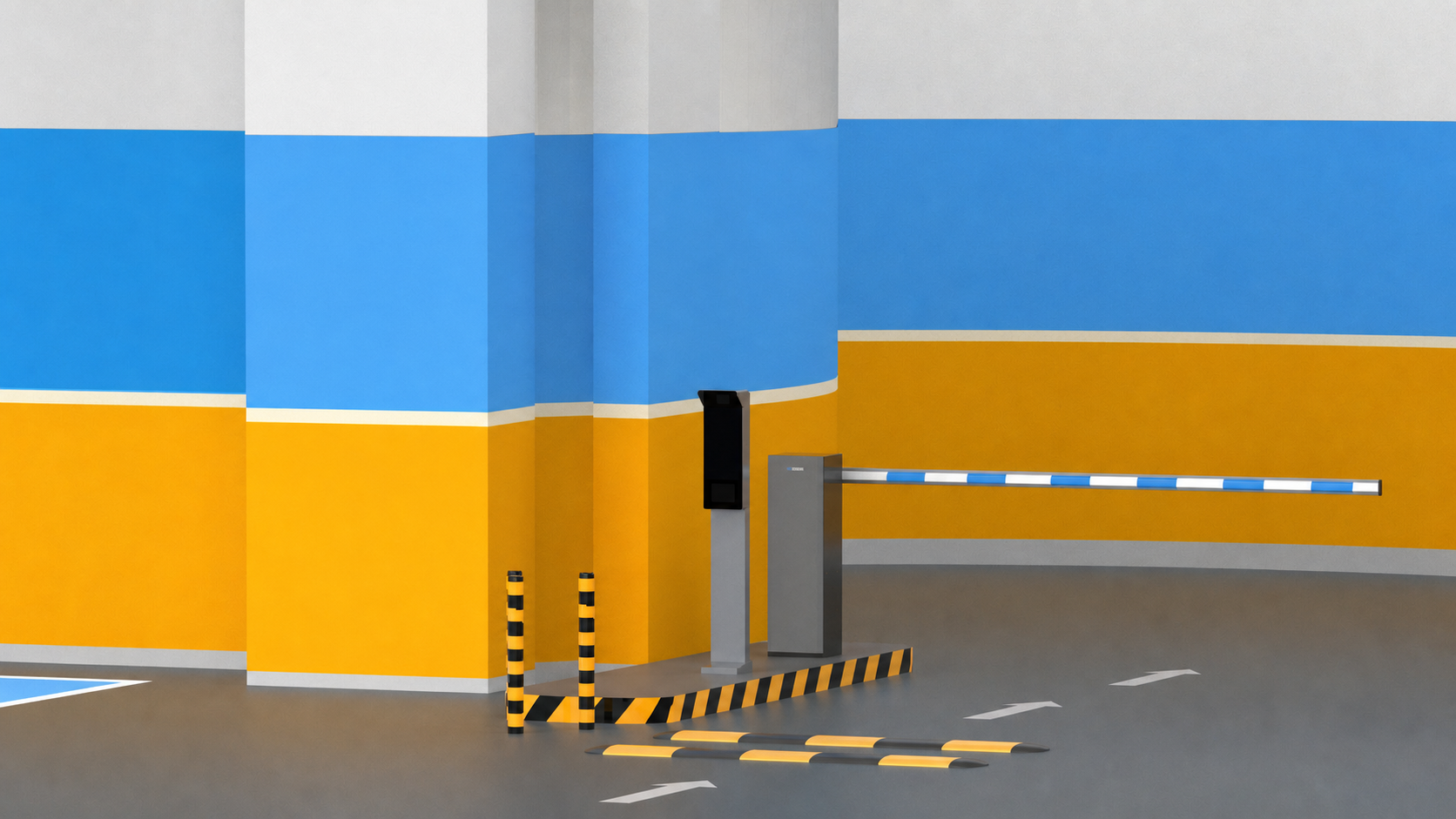
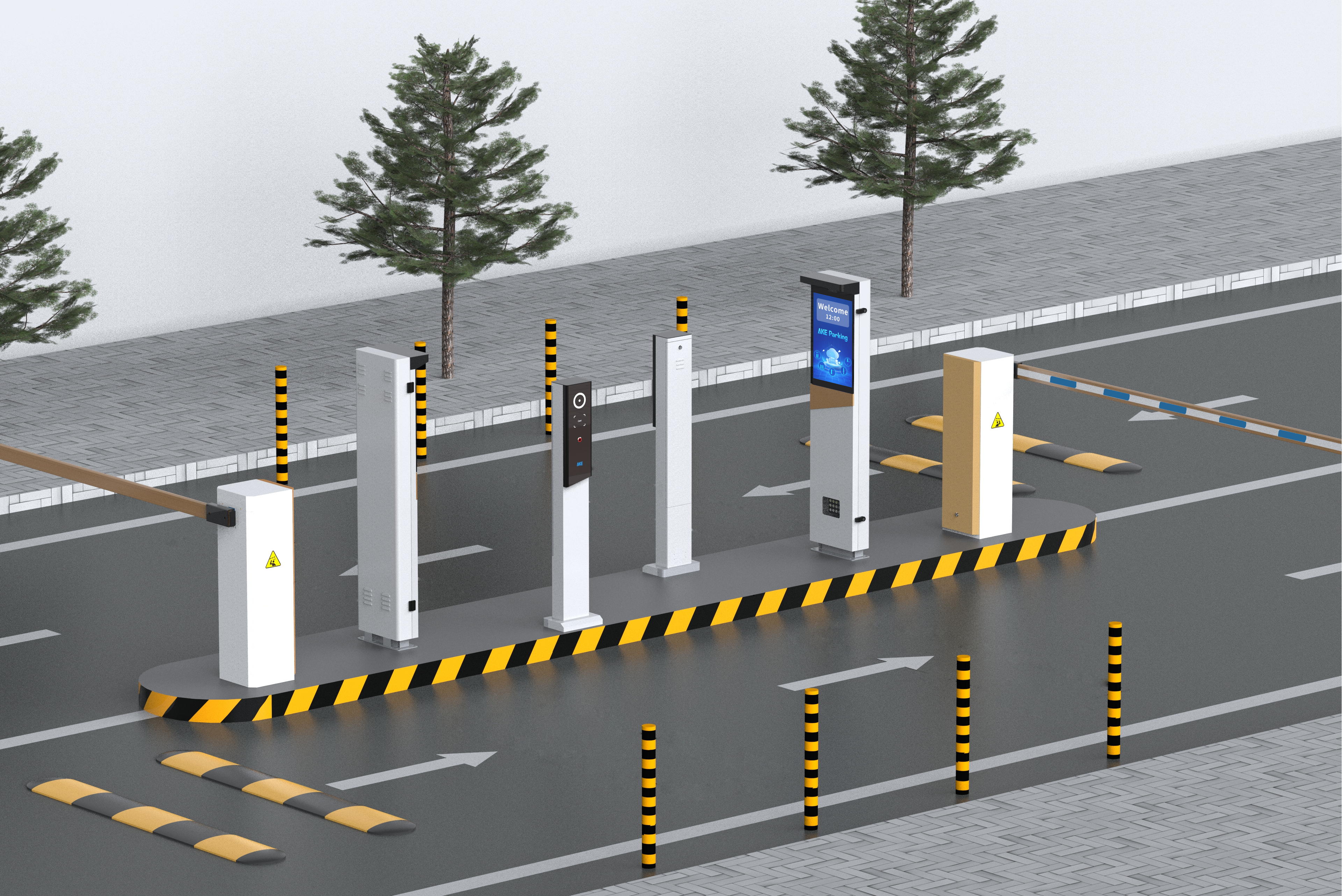
Technical change becomes useful at a parking entrance through the operating task it reshapes. A compact terminal, another connection option, or remote maintenance capability has practical significance only in relation to the lane using it.
Each direction connects a design choice with something that can be observed during operation. Five documented capability directions offer a practical 2026 watchlist, with their value judged through lane behavior rather than market-growth assumptions.
Integrated Terminals Change Physical Coordination
Combining recognition, movement, messages, and voice interaction places several entrance functions within one physical assembly. Integration in lpr parking management systems changes the installation relationship between those components and the transitions linking their tasks.
A combined anpr parking terminal still performs distinct operations: identifying a plate, presenting information, and moving the arm. The practical question is whether their positioning and coordination suit the approaching vehicle, available lane space, and intended interaction.
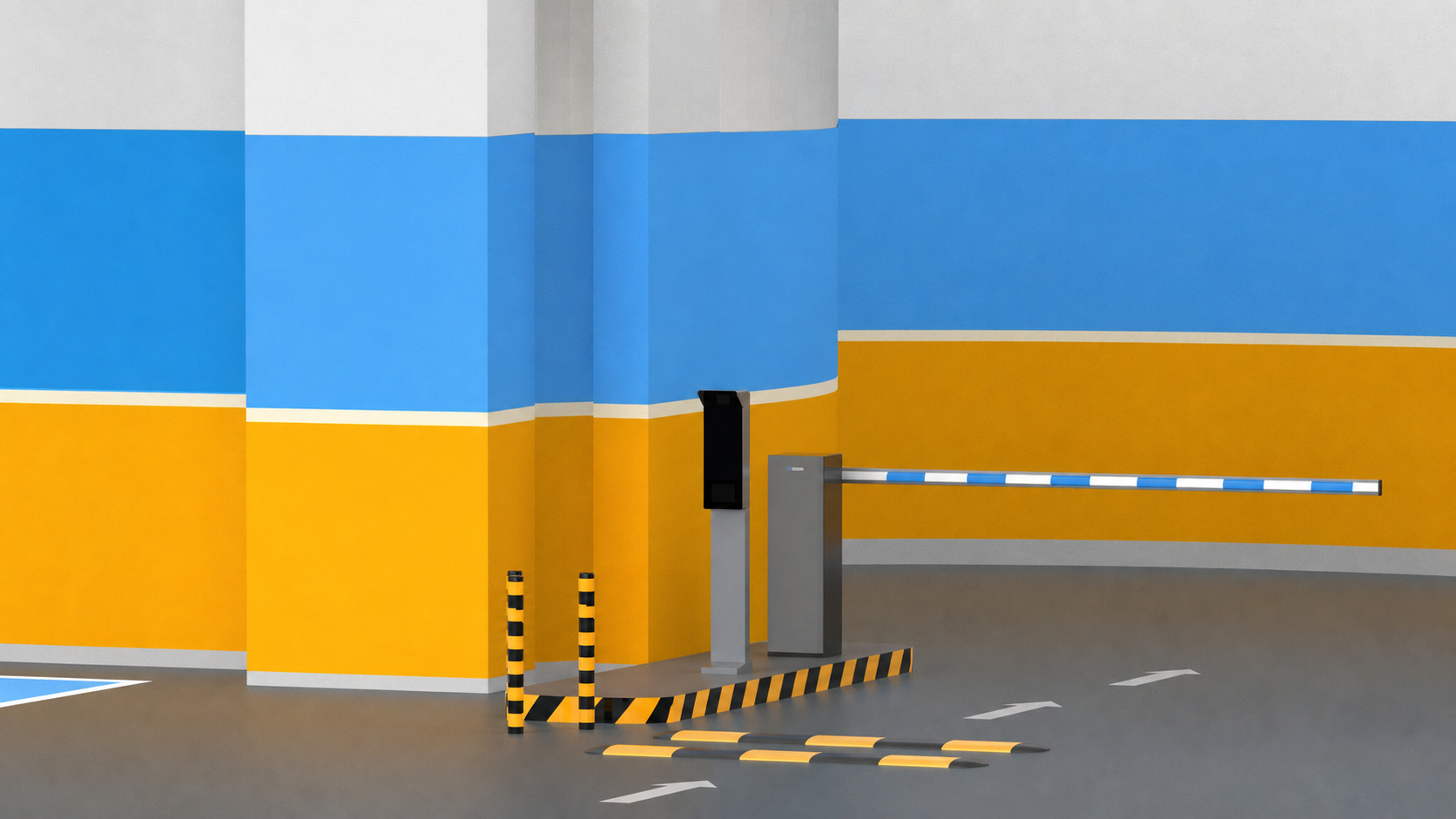
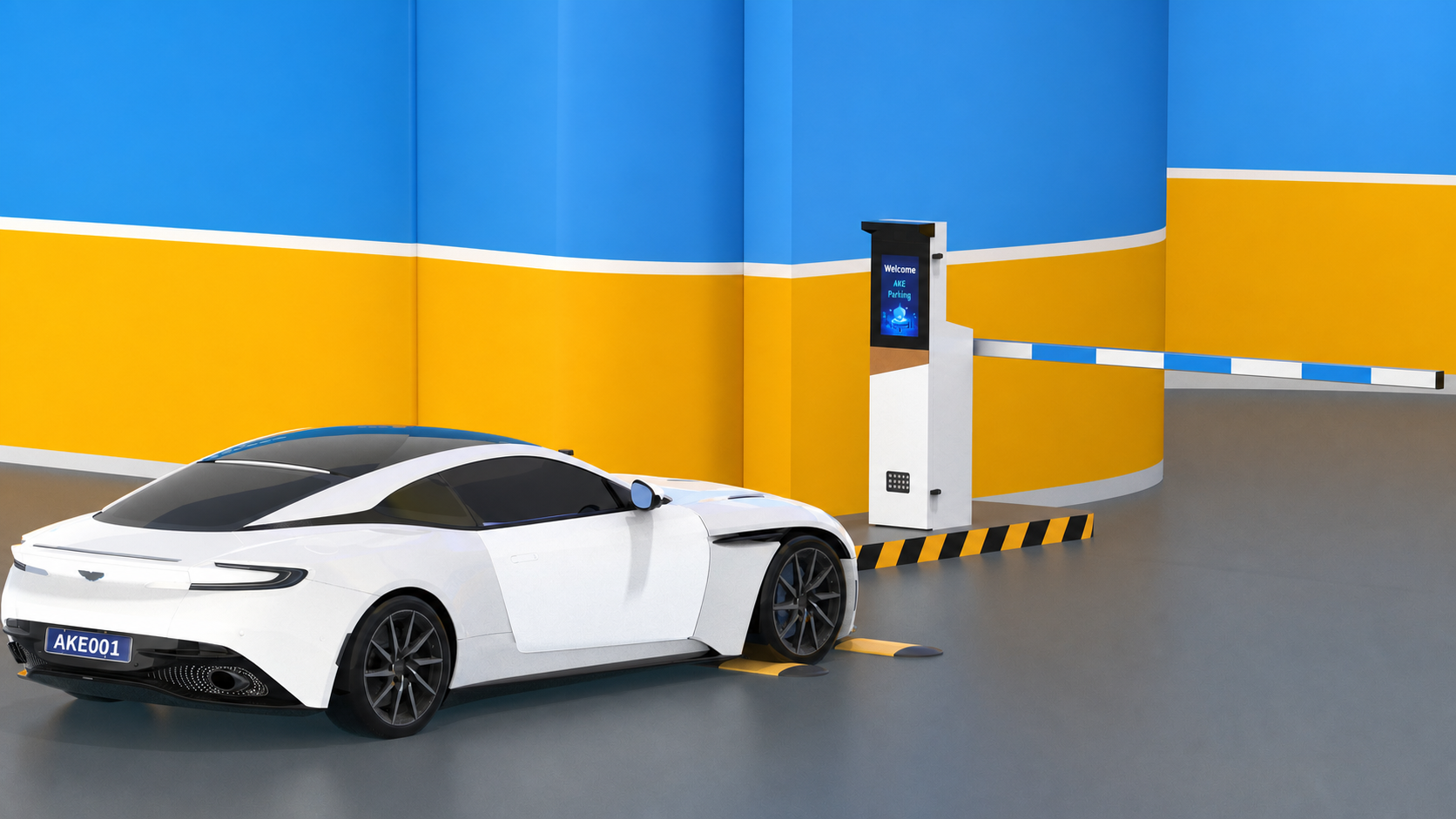
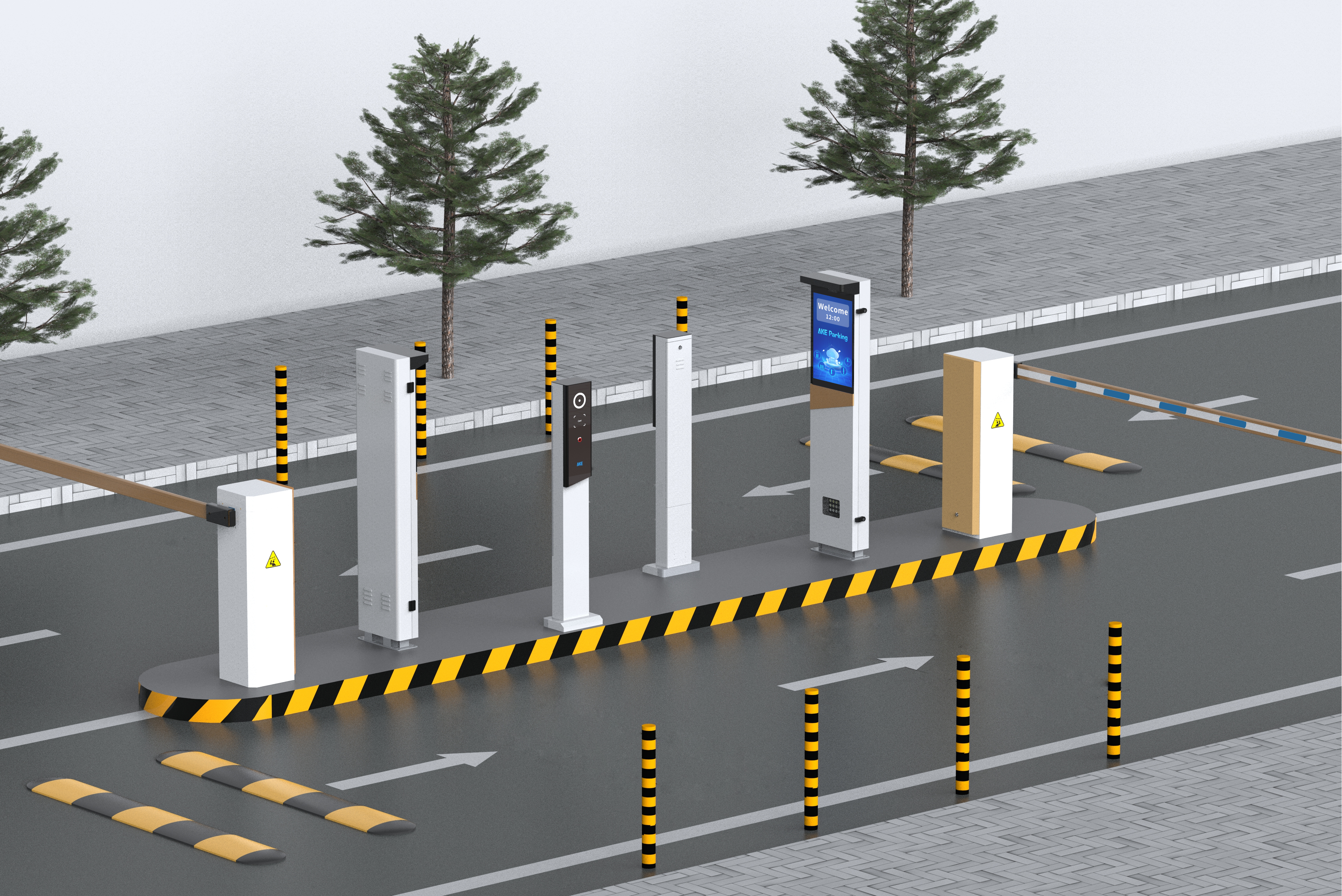
Our AKE Parking All-in-One LPR Barrier System illustrates physical integration by combining the ANPR camera, boom barrier, multimedia display, and voice interaction in one terminal. Its imaging arrangement includes a 5MP camera, 6mm zoom lens, and twelve LED fill lights, with support for plates from multiple countries.
A lane demonstration can follow a vehicle from image capture through the appropriate notification to the commanded barrier action, revealing the connections inside the combined unit.
Connection Options Must Include the Outage Case
A communication failure reveals which lane operations depend on a working connection and which remain available locally. Multiple connection methods in lpr parking management systems expand the possible communication arrangement, but their names alone do not explain continuity.
For an anpr parking entrance, the useful comparison follows the same operating event with the upstream connection available and unavailable, identifying the functions that can actually continue in each condition.
Our All-in-One system supports TCP/IP, 4G, and RS485 communication, together with offline operation. Those are documented capabilities to evaluate against the project’s operating requirements. Under the installed configuration, an interruption test can check how recognition, notifications, and barrier control behave.
Restoration adds a separate observation: how the lane returns to its connected state and whether the relevant records correspond afterward. Specific offline transaction rules and synchronization behavior require project verification.
Cloud Maintenance Moves the Service Point
The location of a maintenance task changes when settings or upgrades can be reached through a remote connection. Cloud functions in lpr parking management systems concern that service path; offline functions concern the lane’s behavior without upstream communication.
These questions remain separate. An anpr parking operator evaluating remote maintenance can identify the authorized action, the connection it uses, and the result visible at the terminal after the action finishes.
We support cloud management and OTA upgrading in the All-in-One system. Our Lite LPR Controller also provides cloud-based remote operation and remote online upgrading, alongside recognition, display, and payment management.
The Lite model supports government parking platform connection; a particular platform’s requirements still determine the integration work. A controlled maintenance demonstration can show which task is completed remotely and how the resulting configuration behaves at the site, without assuming universal platform compatibility.
Lane Messages Become Part of the Interaction
At an entrance, a driver may need to know that a plate was read, that payment remains outstanding, or that a particular instruction applies. Clear state information in lpr parking management systems links a background decision with a human response.
An anpr parking screen therefore has an operating purpose beyond displaying advertisements: it communicates what has happened and which interaction follows. The useful content depends on what the driver needs to do at that moment.
Our All-in-One terminal’s 21.5-inch LCD supports access notifications, advertising playback, and welcome messages. The Lite controller instead uses a 17-inch LED screen presenting sixteen Chinese characters across four lines, including plate messages, payment information, QR codes, and project-specific notices.
These formats create different presentation conditions. A message trial can check whether the approaching driver recognizes the relevant state and next action from the normal vehicle position, especially where several message types share the display.
Faster Movement Requires a Safety Match
A speed figure describes one part of a vehicle’s passage: the barrier’s movement after its operating instruction. Faster mechanics in lpr parking management systems cannot independently determine the time needed for identification, interaction, or safe passage.
In an anpr parking lane, movement has to match the selected arm, vehicle presence, and traffic pattern. The direction worth evaluating is this: pair a motion capability with the conditions under which that motion is appropriate.
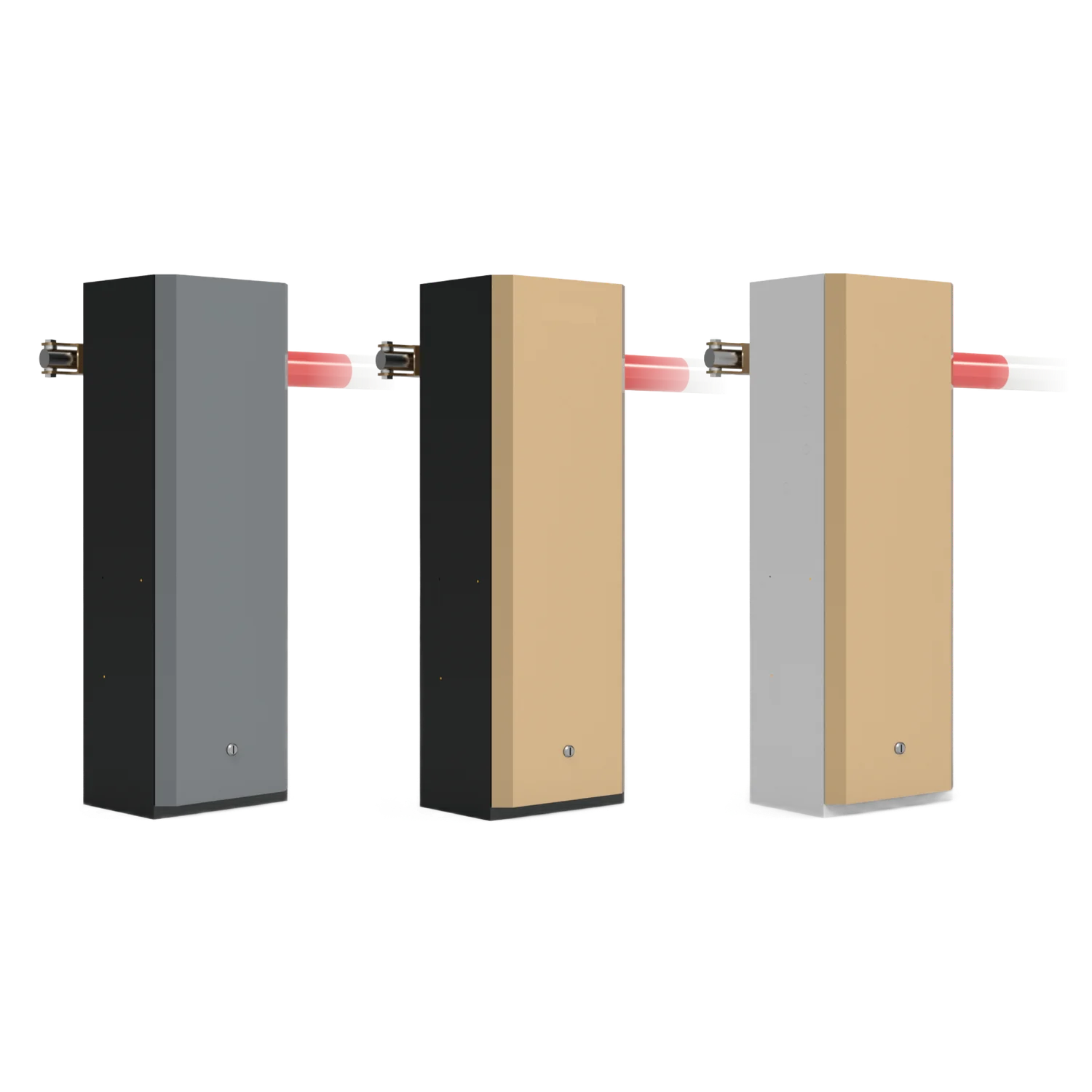
The All-in-One system’s DC variable-frequency servo mechanism can open the barrier in as little as 0.9 seconds. Straight, fence, and folding arms are available, and the unit provides IP54 protection with multiple anti-smashing and anti-collision safeguards.
The specified opening time belongs to the barrier action. Acceptance under actual lane conditions can observe the sequence of vehicle detection, arm movement, and safe passage with the selected arm arrangement.
The five directions become useful through their observed effects: coordinated entrance functions, understood interruption behavior, reachable maintenance tasks, readable state messages, and suitable barrier movement. A trial ties each capability to its actual use conditions.
A completed remote service action, a correctly understood message, or demonstrated local continuity supplies an outcome for comparison at the lane. One verified improvement at the site’s entrance provides a concrete reason to follow a 2026 design direction.