Managing a parking facility becomes increasingly complex as vehicle volumes rise, payment methods diversify, and operators need better visibility into day-to-day operations. In a traditional setup, ticketing, fee collection, access control, and record-keeping may all depend on manual processes. That model can remain workable at a small scale, but its limitations become increasingly apparent as traffic and operational demands grow. Upgrading to an automated parking management system can help operators move from manual control toward a more efficient and measurable parking operation.
At AKE Parking, we provide integrated smart parking and access solutions designed to connect vehicle access, parking guidance, payment, and management functions. Our approach focuses on the complete parking process rather than replacing one manual task with one automated device.

Why Should a Car Park Move from Manual Management to an Automated Parking Management System?
The main reason is that automation can reduce repetitive manual work while enabling more efficient day-to-day management. In a manual car park, staff may need to check vehicles, issue or collect tickets, record payments, and monitor entry and exit activity separately.
An automated system can connect these processes. Our parking management solution can use license plate recognition, barrier control, parking management software, payment functions, and operational monitoring to coordinate vehicle access. This creates a more consistent process and gives operators a clearer view of what is happening inside the facility.
What Should Be Evaluated Before Upgrading a Manual Car Park?
Before purchasing equipment, operators should evaluate the existing parking workflow, site layout, traffic volume, payment method, available parking spaces, and current infrastructure. A successful upgrade depends on system design, not simply on installing new barriers.
For example, the project team should identify how many entrance and exit lanes are required, where vehicles make important driving decisions, how parking spaces are monitored, and what information operators need from the management platform.
Existing equipment should also be reviewed. Some sites may be able to retain parts of their infrastructure, while others may require new controllers, cameras, network connections, displays, or parking sensors. This assessment helps avoid unnecessary investment and makes the transition more practical for property owners and system integrators.
How Can Parking Guidance Improve an Automated Parking System?
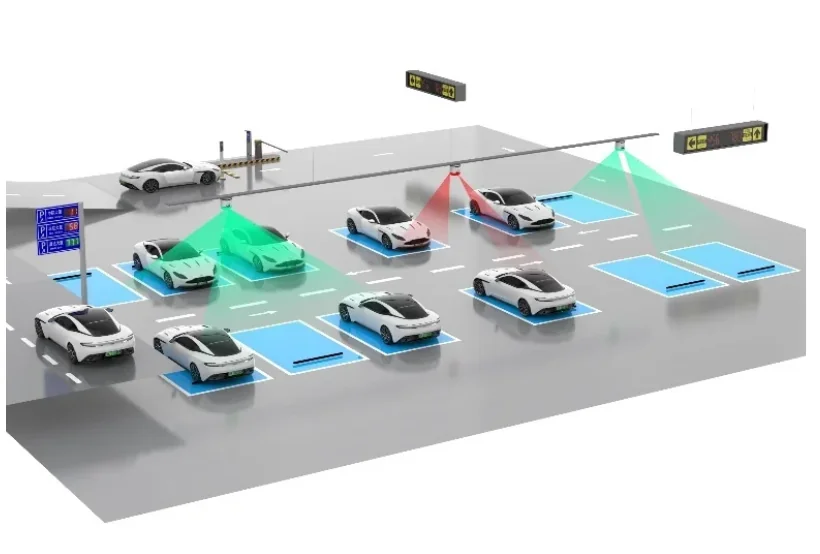
Parking guidance can complement automated access management by helping drivers locate available spaces more efficiently. Entry automation alone does not solve the problem of drivers searching for a space after entering a large facility.
Our parking guidance solutions can collect parking-space status and provide available-space information through guidance displays. AKE’s parking management materials describe the use of cameras, ultrasonic sensors, geomagnetic sensors, and other detection technologies to collect parking-space information and provide guidance.
For commercial buildings, hospitals, transportation hubs, and other high-traffic facilities, this can make the parking process easier to manage while helping drivers spend less time searching.
How Do Car Park Management System Suppliers Support the Upgrade Process?
Choosing the right car park management system suppliers is important as a parking upgrade involves more than individual hardware. Operators need to consider system architecture, equipment compatibility, software functions, installation, commissioning, and future expansion.
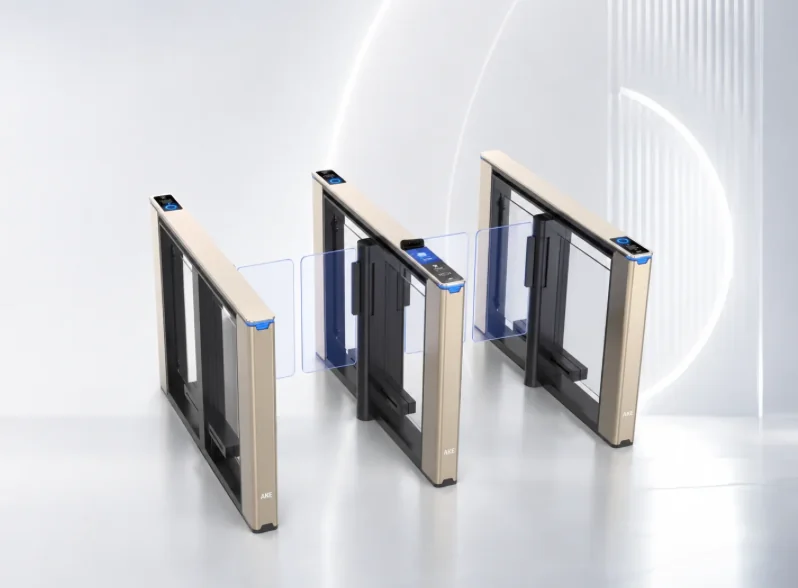
We approach parking projects as integrated systems. Our current product portfolio includes LPR and barrier systems, parking guidance systems, curbside management, identity and access authentication, pedestrian turnstiles, and RFID access-control systems.
This broader product scope allows us to consider vehicle and pedestrian access together when project requirements call for it. For B2B customers, this system-level approach can also simplify communication between property owners, contractors, integrators, and technology suppliers.
What Benefits Can Operators Expect After Automation?
The most important benefits are improved operational visibility, reduced dependence on repetitive manual processes, and better control of parking data. Our parking management system can analyze traffic volume, payment information, parking activity, equipment status, and financial data through centralized management functions.
Automation can also support different parking-user categories, including temporary, monthly, VIP, and other controlled vehicle groups. This gives property managers more flexibility when establishing parking policies.
For developers and operators, the value is therefore not limited to faster vehicle entry. A connected system can provide information that supports daily operations, revenue management, maintenance decisions, and long-term facility planning.
Why Choose AKE Parking for a Parking Management Upgrade?
AKE Parking’s solutions are designed for facilities with diverse parking and access requirements, including commercial properties, residential developments, transportation facilities, and industrial sites. The systems integrate vehicle access, parking guidance, payment, and centralized management into a connected parking operation. Our current solution portfolio is designed around connected parking and access operations rather than isolated equipment.
For customers evaluating an upgrade, we can help assess the existing parking environment and determine which functions should be automated first. Depending on the project, this may include LPR and barrier control, parking guidance, payment management, car finding, and centralized operational management.
Ultimately, upgrading a manual car park should be treated as an operational transformation rather than a simple equipment replacement. With the right system architecture, an AKE Parking solution can contribute to better-connected parking operations, greater management efficiency, and a stronger foundation for future smart mobility applications.