Modern parking facilities rarely serve only one type of vehicle. Shopping centers may receive cars and motorcycles, residential communities may have cars and two-wheelers, while industrial parks and logistics facilities may need to manage passenger vehicles alongside trucks. Each vehicle type can have different access rules, dimensions, identification methods, and parking requirements.
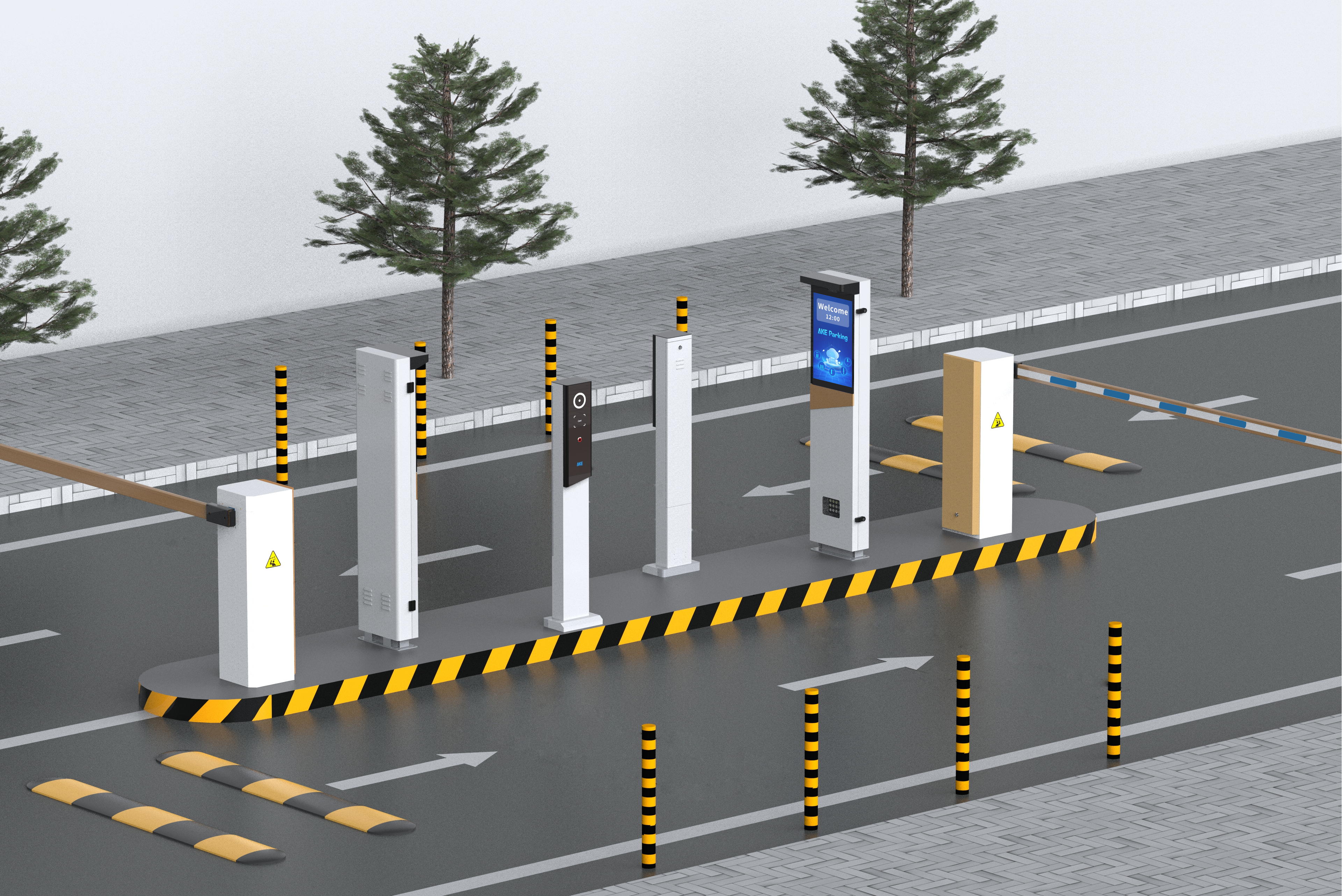
For operators and project integrators, the challenge is therefore not simply opening a barrier automatically. A well-designed parking platform needs to identify different vehicles, apply the appropriate access rules, and coordinate entry and exit processes. This is where automated parking management systems can provide a more structured approach.
How Do Automated Parking Management Systems Handle Different Vehicles?
The first step is vehicle identification. Passenger cars can commonly be managed through license plate recognition (LPR), while motorcycles and other two-wheelers may require RFID or another identification method.
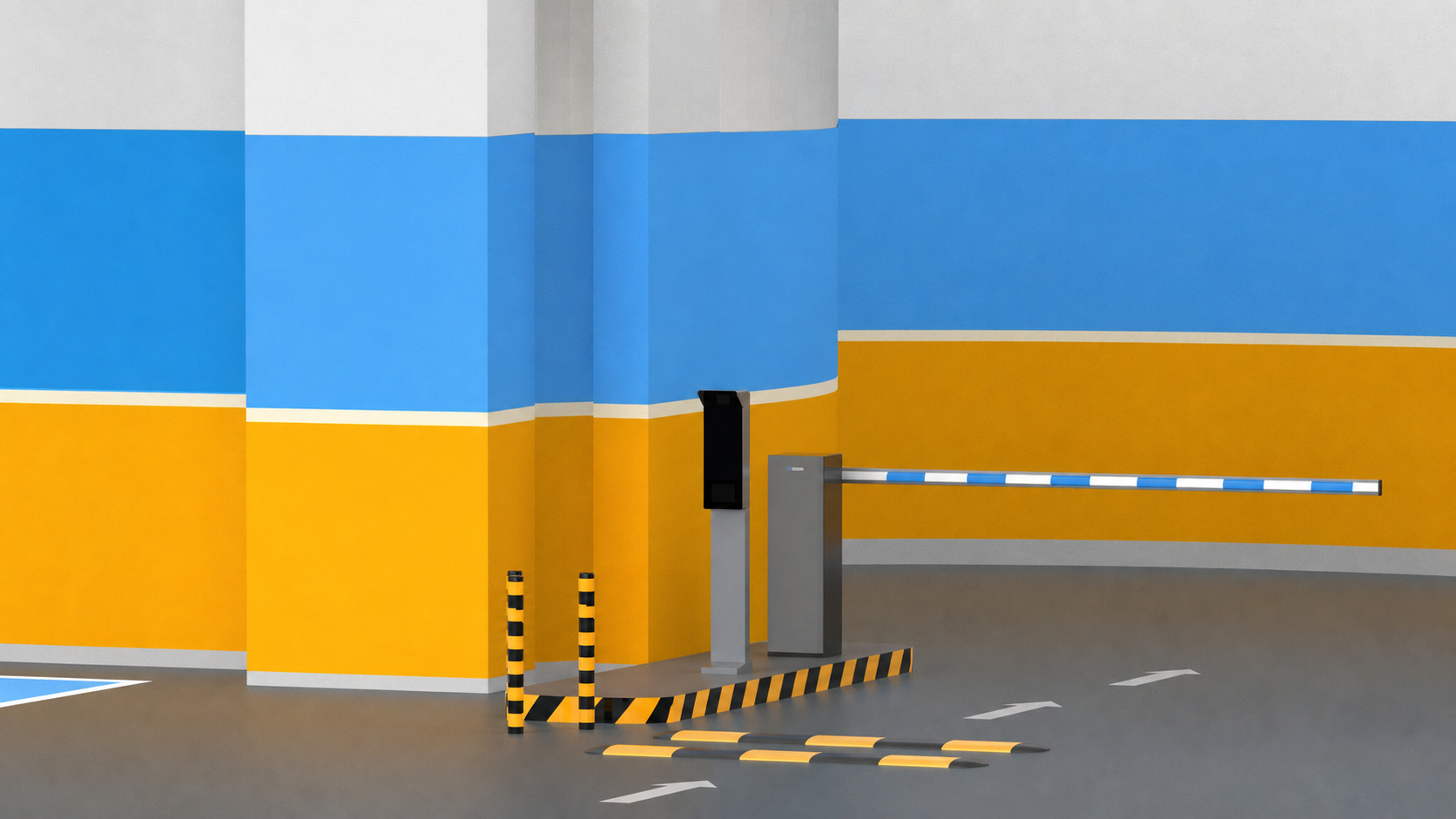
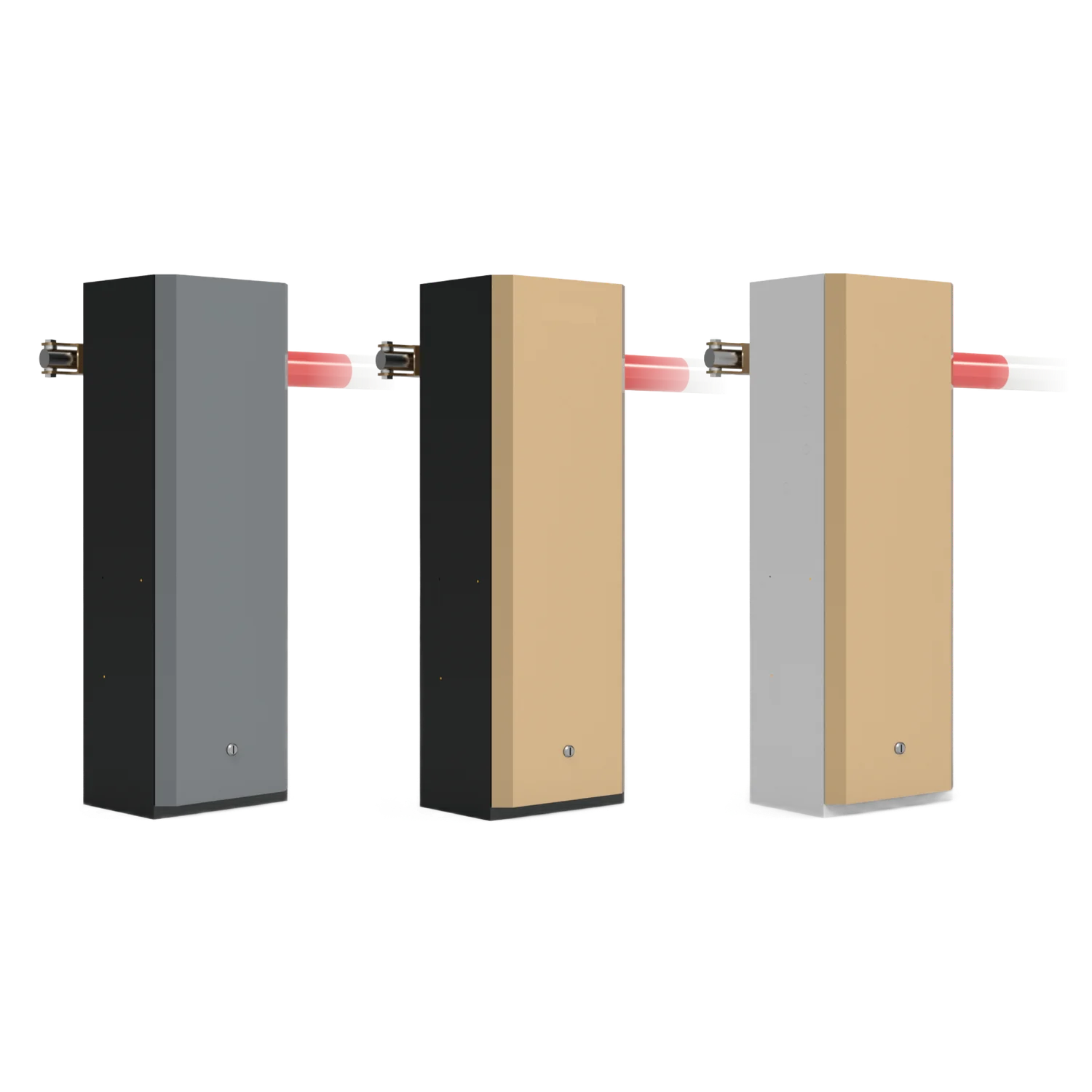
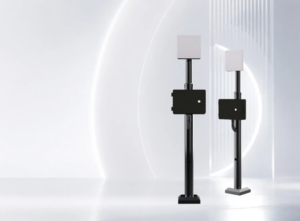
Our product portfolio includes LPR and barrier systems as well as RFID access control systems. Our RFID Access Controller, for example, is specifically designed for two-wheeler entrance management in applications such as residential e-bike garages, industrial park parking sheds, campus motorcycle areas, and commercial service entrances. It supports contactless identification, barrier linkage, fee deduction, and data uploading.
This means operators do not necessarily need to force every vehicle category through an identical access workflow.
How Can a Car Park Management System Separate Vehicle Access Rules?
Different vehicles may require different permissions. A residential community could allow registered cars and motorcycles to enter automatically, while visitors may need temporary authorization. An industrial or logistics park may need separate rules for employees, contractors, delivery vehicles, and trucks.
A centralized management platform can help operators define these rules according to the actual operating model. Instead of relying on manual decisions at every lane, the system can connect vehicle identification with authorization and barrier control.
For car park management system suppliers, this is an important design consideration. The system should be evaluated according to vehicle categories, traffic volumes, access policies, and site layout—not simply by the number of parking spaces.
How Should Motorcycles Be Managed?
Two-wheelers often require a different approach because their entry and parking areas may be separate from conventional car parking. Dedicated motorcycle areas can use RFID-based identification to provide contactless access.
AKE’s RFID Access Controller has a specified reading distance of 3–5 meters and a recognition speed of less than one second. It uses TCP/IP communication and supports barrier linkage and real-time data uploading.
For operators, the benefit is a workflow designed around two-wheeler traffic rather than treating motorcycles as smaller cars. This can help create dedicated access arrangements for campuses, residential developments, industrial sites, and commercial facilities.
What About Trucks and Large Commercial Vehicles?
Trucks create another set of requirements. Their larger dimensions can affect lane width, turning paths, entry timing, and parking allocation. A logistics park may also need to distinguish delivery vehicles from employee cars and visitors.
For these sites, vehicle management should begin with the operating rules. Project teams can define which lanes are suitable for trucks, which vehicles require authorization, whether loading areas need separate control, and how entry and exit records should be managed.
Our solutions are designed for diverse scenarios, including industrial and logistics parks, where mixed vehicle access needs to be coordinated through intelligent parking and access-control infrastructure.
How Does One System Coordinate Multiple Vehicle Types?
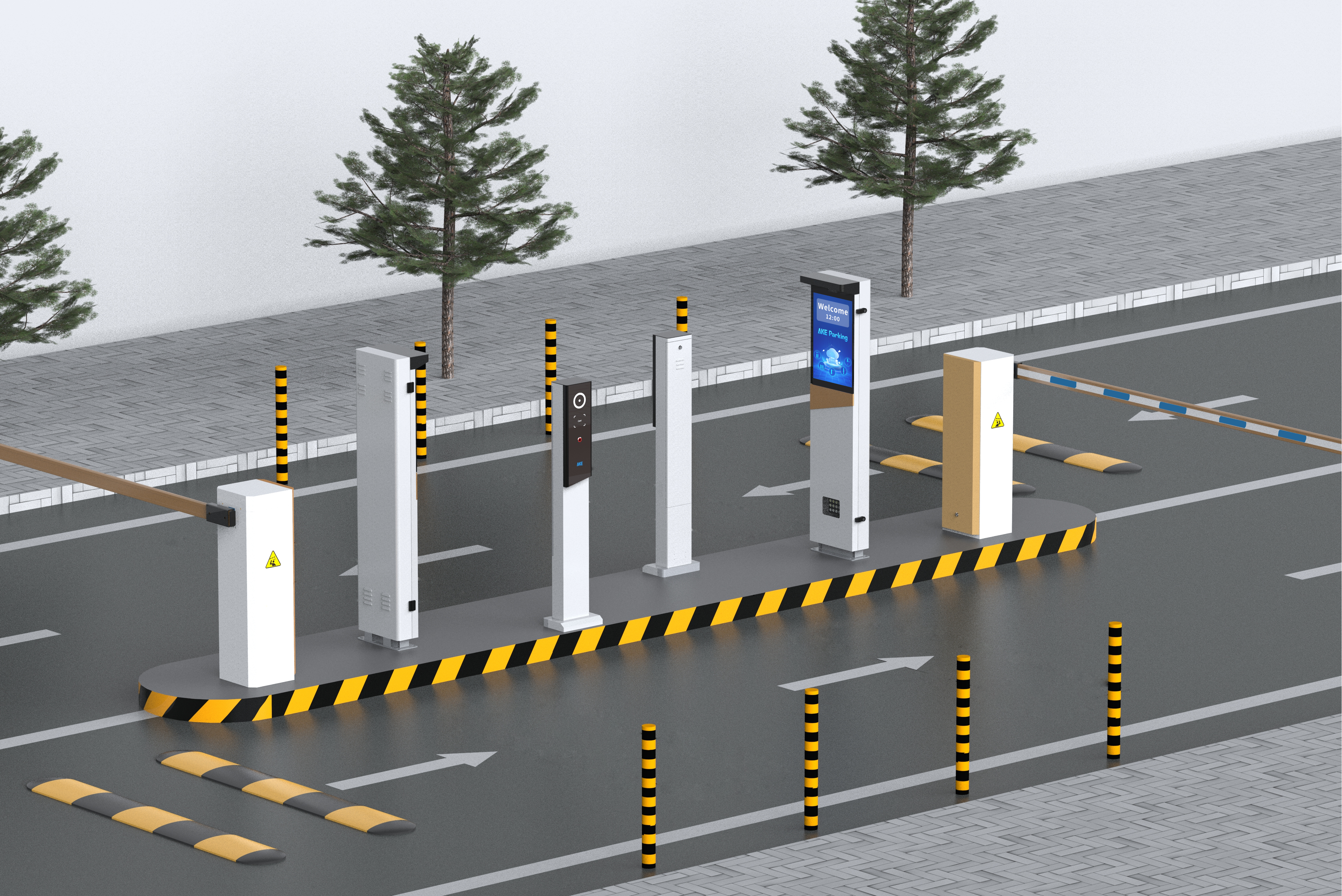
A mixed-vehicle facility benefits when identification, access control, parking guidance, and management software work together.
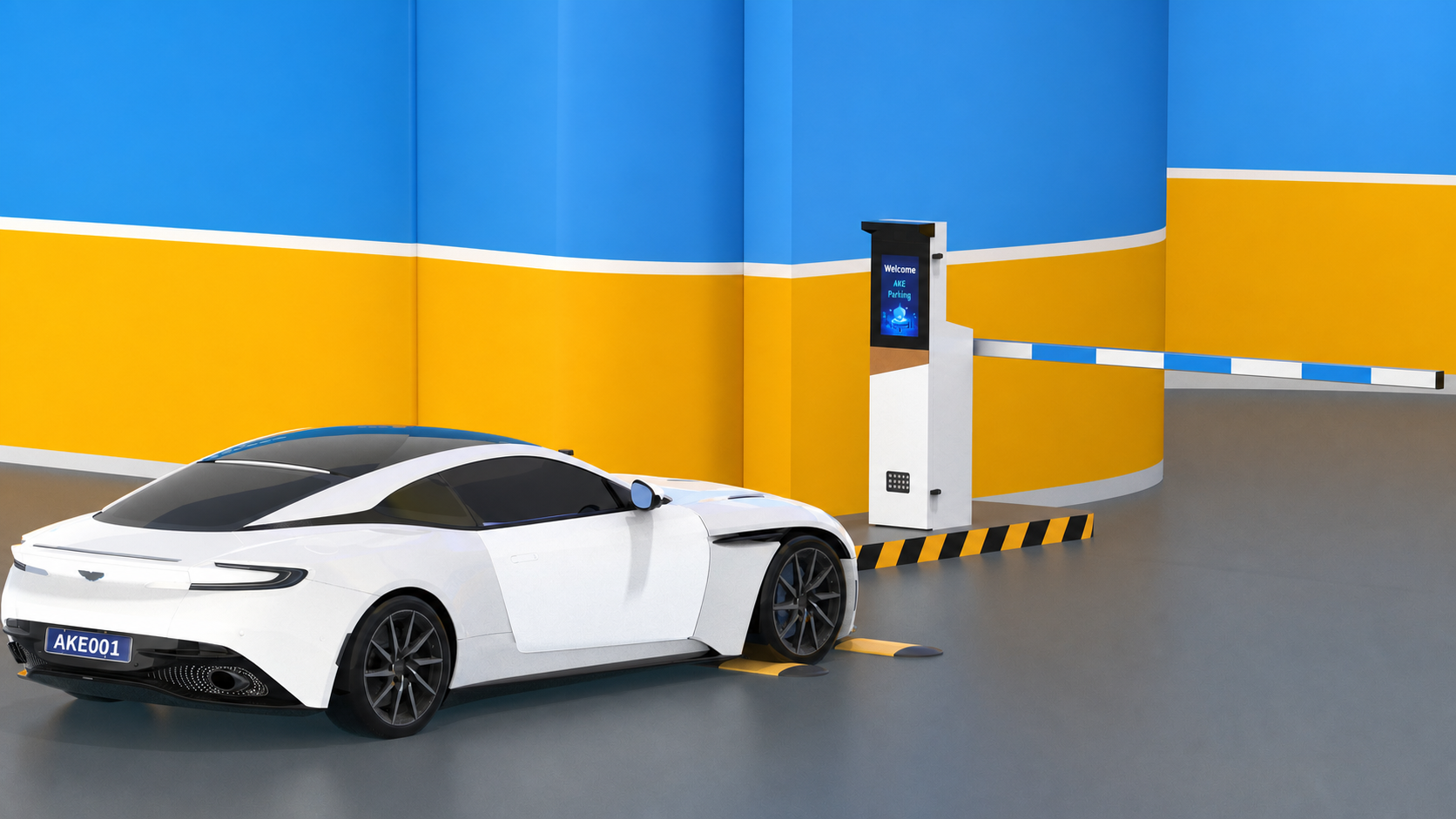
For cars, LPR can support automated vehicle recognition and barrier control. For motorcycles, RFID can provide contactless identification. For larger commercial vehicles, operators can configure dedicated lanes and authorization policies based on project requirements.
Parking guidance can then support drivers after entry by providing information about available spaces and directing vehicles toward appropriate areas. This system-level approach is more practical than installing isolated devices without considering how the complete traffic workflow operates.
Why Does Vehicle Classification Matter for B2B Projects?
For developers, parking operators, system integrators, and facility managers, vehicle classification affects both system design and long-term operation. Before selecting equipment, project teams should document vehicle categories, peak traffic periods, entry and exit lanes, authorization rules, parking zones, payment requirements, and emergency procedures.
At AKE Parking, we provide integrated parking and access solutions covering LPR and barrier systems, parking guidance, curbside management, identity and access authentication, and RFID access control. Our products are developed for different operating environments rather than a single parking scenario.
The result is a more flexible foundation for facilities where cars, motorcycles, and trucks share the same overall transportation environment.
For B2B buyers, the key question is therefore not whether one parking system can recognize every vehicle in exactly the same way. It is whether the system can apply the right identification method, access rule, lane strategy, and parking workflow to each vehicle category while maintaining centralized operational control. That is the foundation for scalable automated parking management.