Payment errors are more than a minor inconvenience in a parking facility. Incorrect charges, missing transactions, duplicate payments, unpaid exits, and mismatches between vehicle records and payment records can create disputes for drivers and reconciliation problems for operators. For commercial parking projects, the solution is not simply adding another payment terminal. It is connecting payment with vehicle identification, access control, and centralized management.
As a provider of smart parking and access solutions, AKE provides car parking management system software that connects these processes and helps project operators build a more consistent payment workflow.

Why Do Parking Payment Errors Occur?
Payment problems can originate at several points in the parking process. A vehicle may be incorrectly identified at entry, a tariff may not match the applicable parking rule, a transaction may fail to synchronize with the central platform, or a payment may be completed without the exit system receiving confirmation.
Manual operations can create another source of risk. When operators have to check vehicle information, calculate fees, confirm payment, and authorize a barrier separately, inconsistent records become more likely.
For B2B parking projects, therefore, payment accuracy depends on the complete transaction chain rather than on the payment device alone.
How Does Car Parking Management System Software Reduce Errors?
It Connects Vehicle Identification With Payment
LPR cameras can identify a vehicle when it enters and exits. When these records are connected to parking management software, the system can associate the vehicle with its parking duration and applicable fee.
This reduces dependence on manually entering license plate information and creates a digital transaction trail for subsequent verification.
- It Applies Configured Parking Rules
Different facilities may have different tariffs for visitors, employees, residents, VIPs, temporary users, or specific parking periods. Software allows operators to configure these rules centrally rather than relying on manual calculations.
This is especially useful for shopping malls, office buildings, residential communities, airports, and other facilities with different parking policies. We provide parking and access solutions designed for these diverse operating environments.
It Links Payment Status With Exit Control
A payment should not be treated as an isolated transaction. The parking system needs to know whether the relevant vehicle has completed payment before allowing normal exit.
By connecting payment information with LPR and barrier control, operators can reduce situations where payment records and vehicle-exit records are disconnected.
It Creates Centralized Transaction Records
Centralized software provides operators with a consolidated view of parking activity and transaction information. When an exception occurs, staff can check the relevant vehicle and transaction records rather than reconstructing the event from separate devices.
This also supports financial reconciliation and operational reporting.
It Supports Different Payment Workflows
Parking facilities can use different payment methods depending on their market and project design. Pre-payment, mobile payment, QR-based workflows, attended payment, and other methods can be integrated into an overall parking architecture.
The objective is to give users convenient payment options while ensuring that the resulting transaction information reaches the management platform.
What Should Car Park Management System Suppliers Provide?
When comparing car park management system suppliers, project owners and system integrators should evaluate more than payment hardware. They should examine how vehicle identification, tariff configuration, payment, barrier control, data synchronization, exception handling, and reporting work together.
Integration is particularly important when a project already has existing barriers, payment platforms, access-control equipment, or third-party management software. AKE emphasizes open integration, flexible customization, and complete parking and access solutions for project partners.
How Can AKE Help Build a More Reliable Payment Workflow?
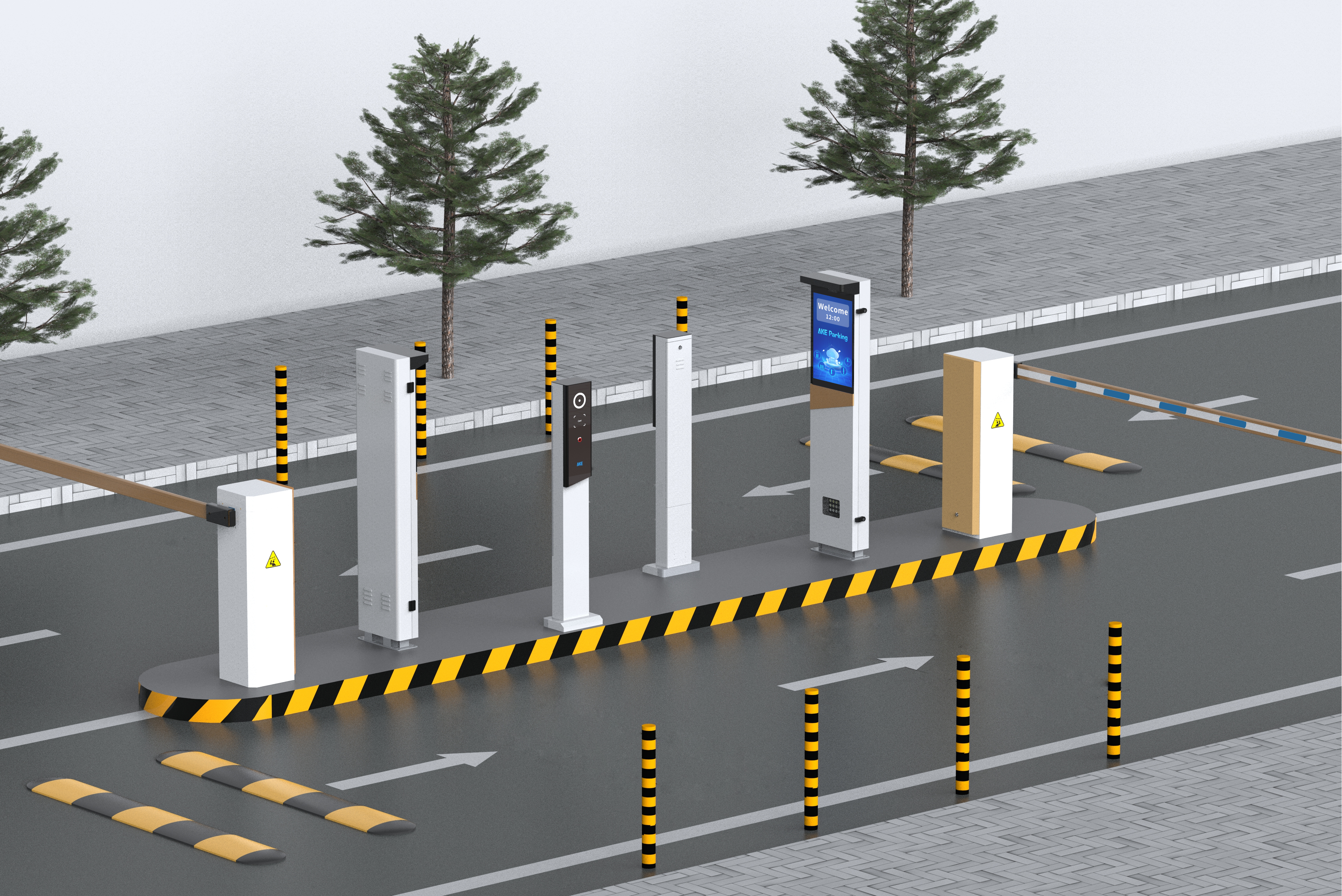
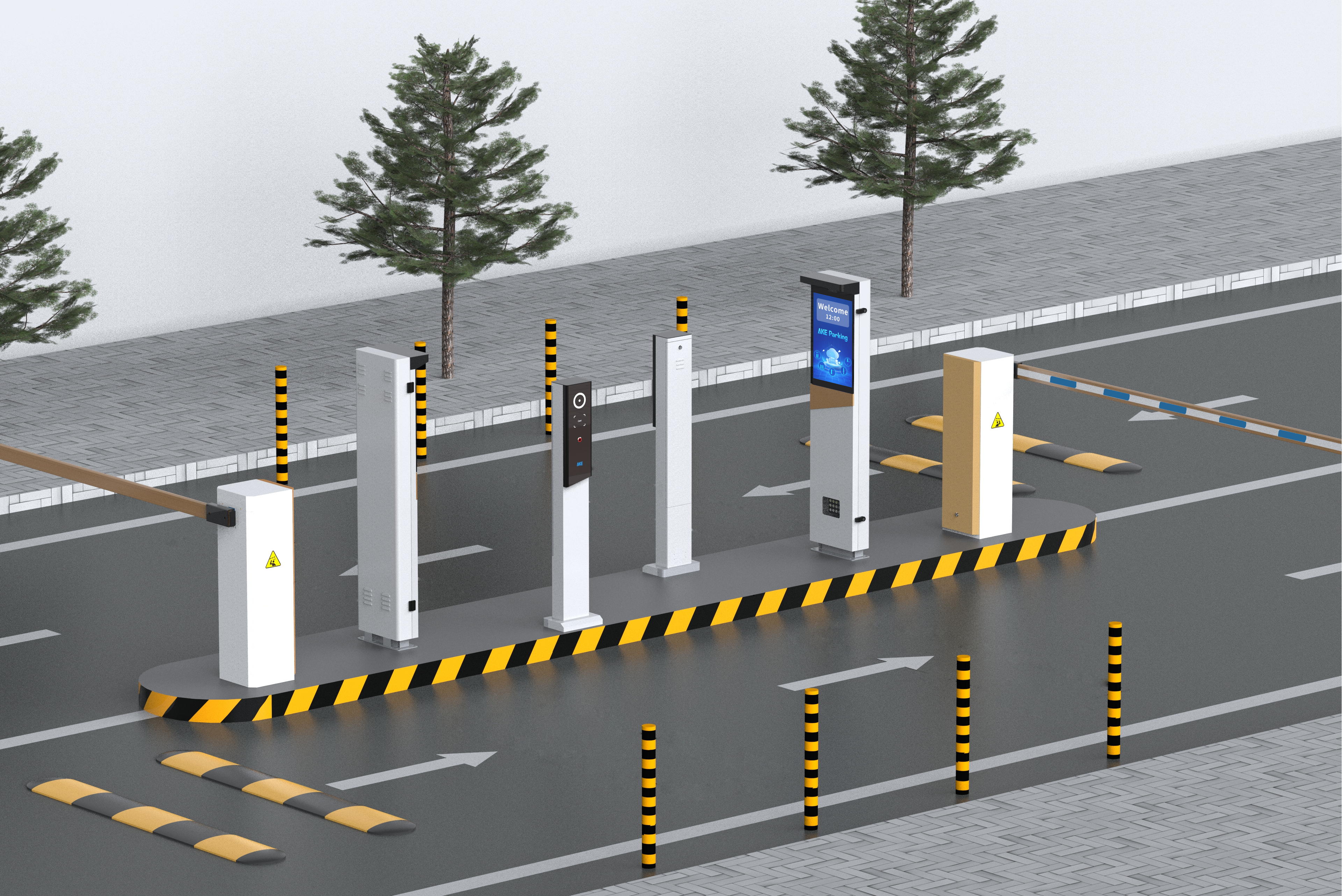
At AKE Parking, we provide integrated parking and access solutions covering LPR and barrier systems, parking guidance systems, curbside management, identity and access authentication, pedestrian turnstiles, and RFID access control systems.
For a payment-focused project, our role is to help connect the relevant hardware and software into a practical operating workflow. Our solutions can be designed around project requirements, existing infrastructure, traffic patterns, access rules, and integration needs.
We also support system integrators, parking operators, project builders, and channel partners, allowing the technology architecture to be adapted to different commercial requirements.
What Should Operators Check Before Deployment?
Before selecting a parking management platform, we recommend confirming:
- How vehicles are identified at entry and exit
- How tariffs and special parking rules are configured
- How payment status is synchronized with exit control
- How failed or duplicated transactions are handled
- How operators review transaction records
- Whether existing equipment can be integrated
- What technical documentation and support are provided
A successful payment system should make these processes traceable rather than leaving operators dependent on manual checks.
Conclusion
Reducing parking payment errors requires more than improving the payment terminal. Vehicle identification, parking duration, tariff rules, payment status, barrier control, and transaction records need to work as one connected process.
By using integrated parking management technology, operators and system integrators can reduce manual intervention, improve transaction traceability, and simplify reconciliation. We at AKE Parking focus on combining parking hardware, access control, software, and project support to help B2B partners develop parking environments that are easier to operate and manage.