A vehicle parking management system can continue operating for years without appearing completely broken. However, stable operation does not always mean that the system is still suitable for current parking demands. As vehicle volumes increase, operating procedures become more complex, and users expect faster access, an older system may begin creating hidden costs and operational limitations.
For parking operators, property managers, system integrators, and project owners, the more useful question is not simply whether existing equipment still works. It is whether the system can support today’s operational requirements and future expansion. Here are five signs that an upgrade may be worth considering.

Entry and Exit Queues Are Becoming a Regular Problem
Long queues at parking entrances and exits are one of the clearest signs that an existing system may no longer match traffic demand. If vehicles regularly wait for identification, ticket processing, payment confirmation, or barrier opening, even a technically functional system can become an operational bottleneck.
A modern parking environment needs more than a barrier that opens and closes. Vehicle identification, access authorization, barrier control, payment processes, and management software need to work together as part of a coordinated workflow.
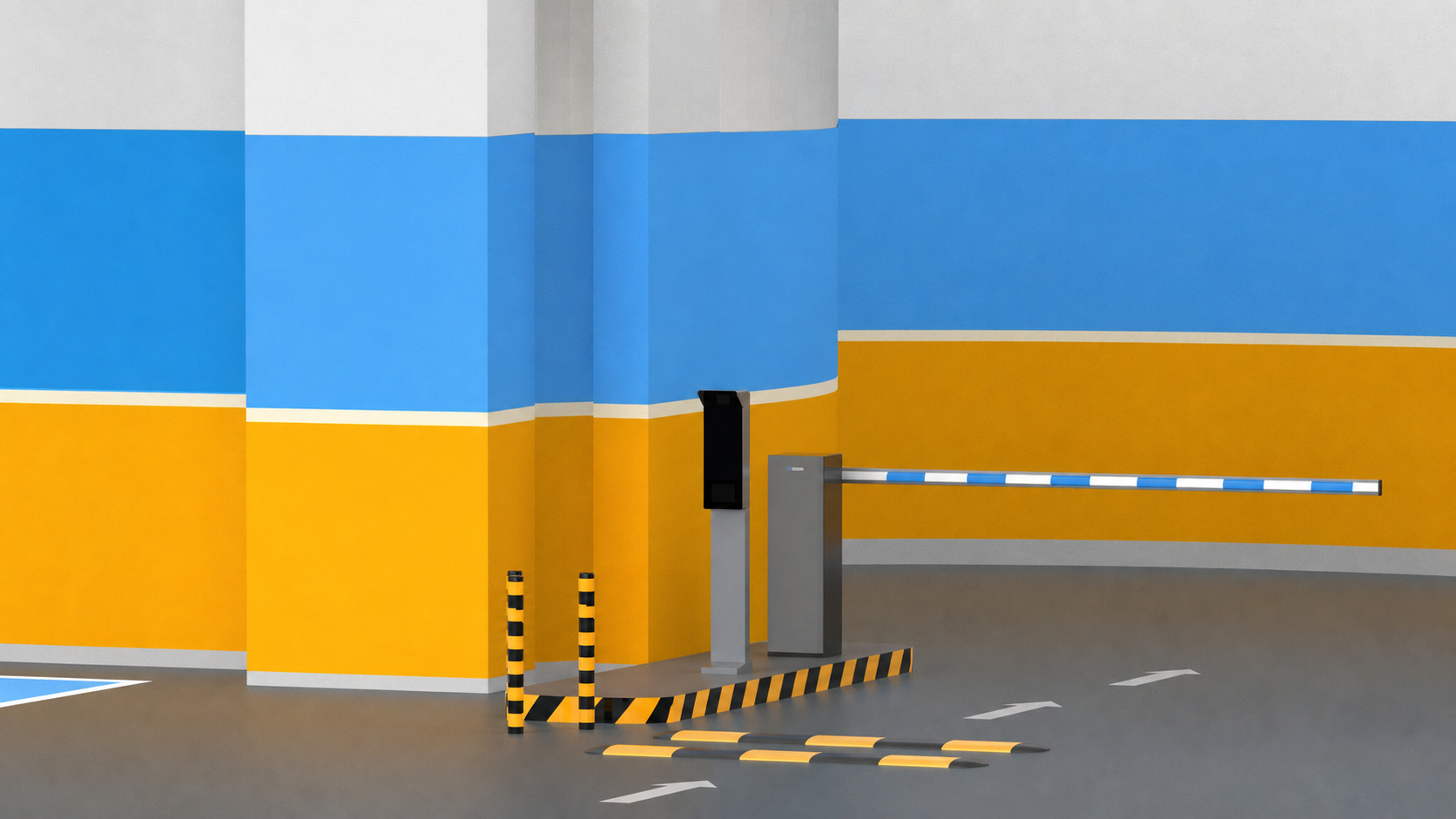
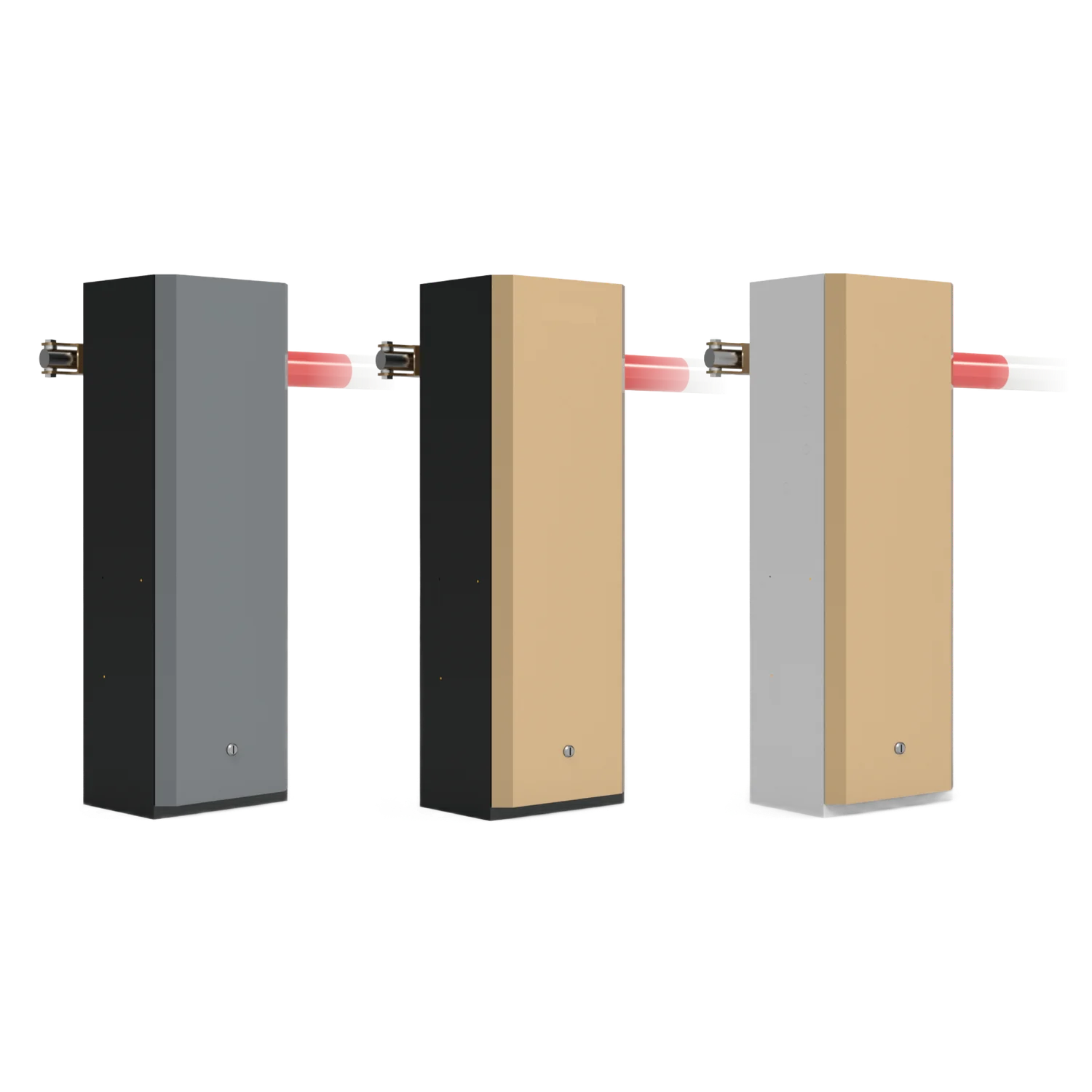
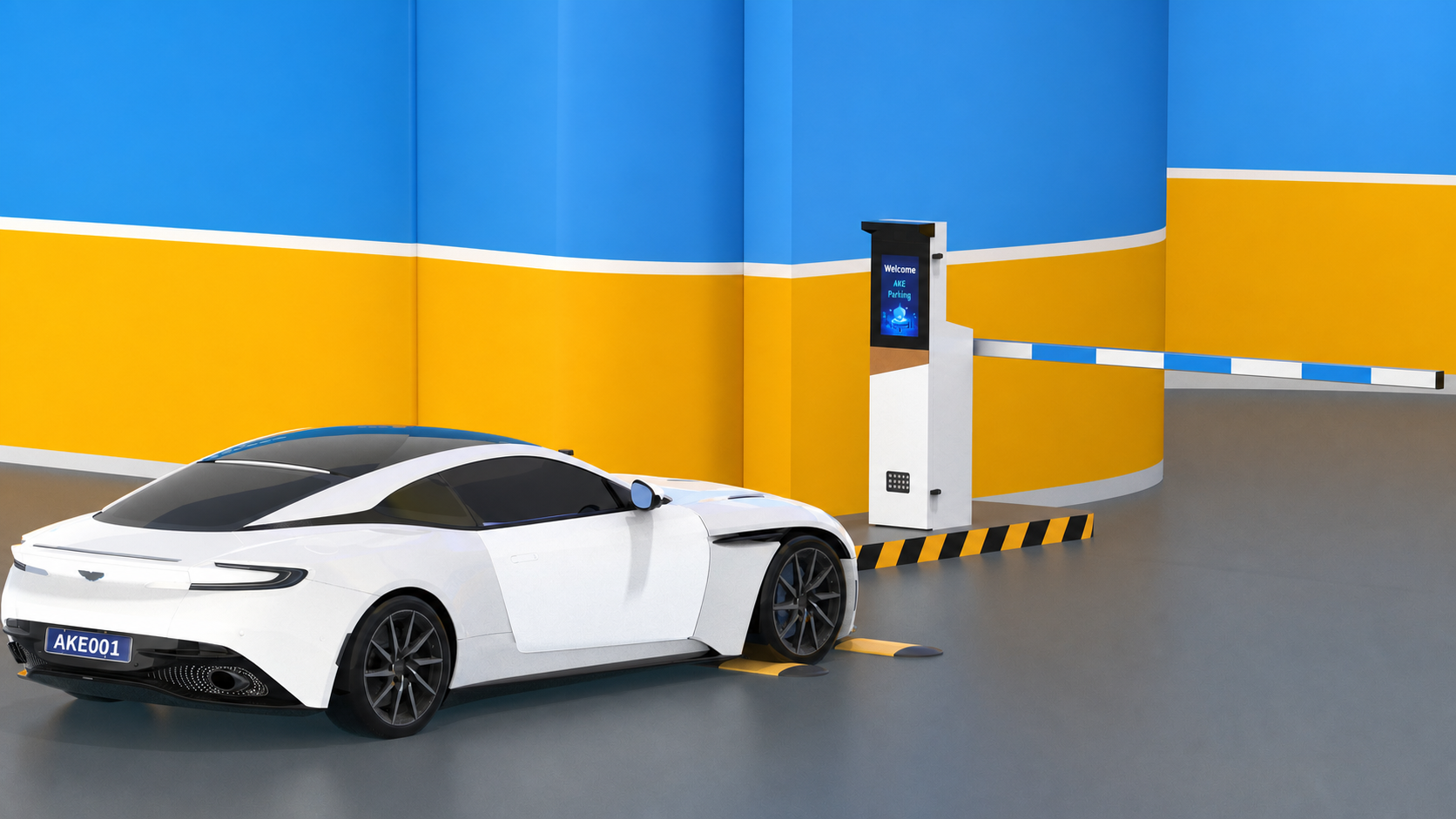
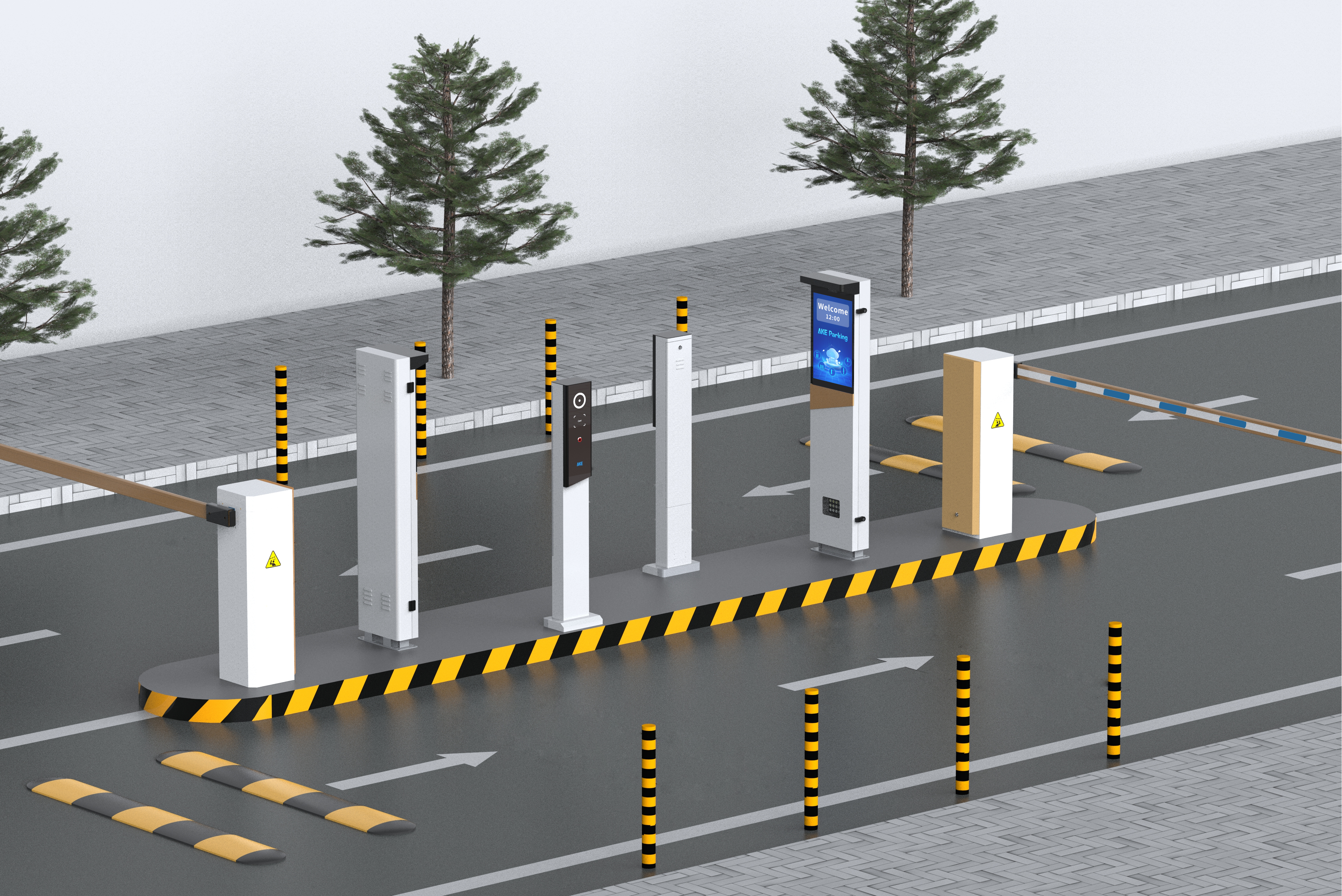
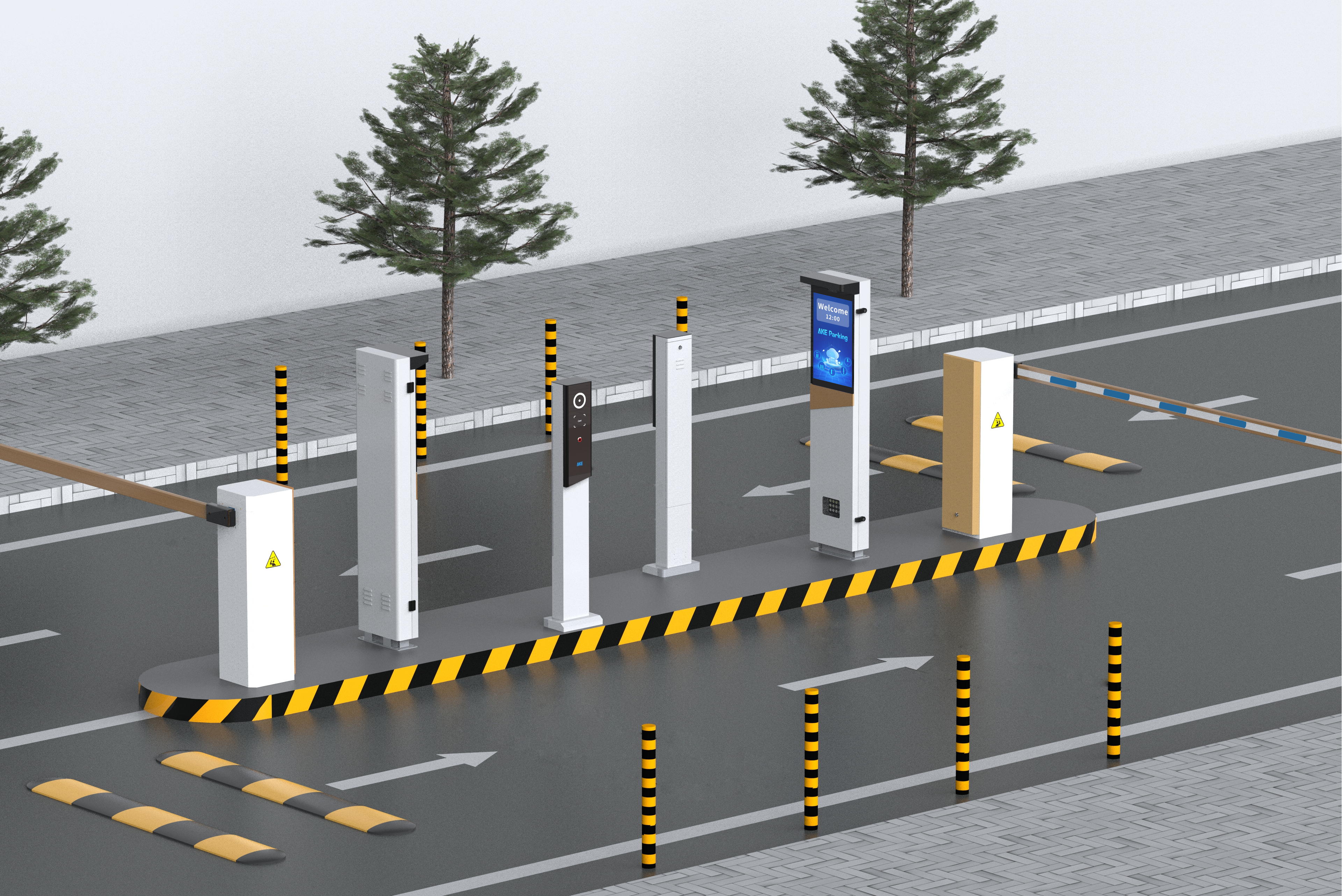
We provide LPR and barrier solutions that can support automated vehicle access and more efficient entrance management. Our product portfolio also allows project teams to select different equipment configurations according to site requirements rather than treating every parking facility in the same way.
Drivers Spend Too Much Time Looking for Parking Spaces
If drivers enter a facility but have little information about where spaces are available, the problem may extend beyond convenience. Unnecessary circulation can increase internal traffic, create congestion at decision points, and make available capacity harder to use efficiently.
This is where parking guidance becomes an important part of the overall management system. A guidance solution can collect parking-space information and present it through displays or other interfaces, helping drivers make decisions earlier in their journey.
For example, our entrance parking guidance displays can show available spaces by zone or floor, helping drivers choose an appropriate direction when entering a multi-level or multi-zone parking facility.
An upgrade therefore does not always mean replacing the entire parking infrastructure. Adding suitable detection and guidance functions may address a specific operational weakness while improving the usefulness of existing parking capacity.
Your Team Has Limited Visibility Into Daily Parking Operations
Another warning sign appears when managers have to rely heavily on manual checks. If it is difficult to determine equipment status, parking occupancy, access activity, or abnormal events from a centralized interface, operational teams may spend too much time identifying problems after they occur.
Modern parking management requires information that can support daily decisions. Managers and system operators need to understand what is happening across the site rather than responding only to complaints or equipment failures.
Our solutions are designed around connected parking and access management. Depending on project requirements, the system can combine vehicle access, parking guidance, payment, monitoring, and other functions into a more coordinated operating environment.
Your Existing System Is Difficult to Integrate With New Technologies
Parking facilities rarely remain unchanged. A project may later require new identification methods, additional access-control functions, EV-related services, third-party software, or different management interfaces.
If an existing system cannot communicate effectively with newer equipment, every expansion can become more complicated and expensive. This is an important consideration when comparing advanced parking management systems, because scalability and integration can be just as important as individual hardware specifications.
We focus on solutions that can work with existing platforms, devices, and third-party systems where project conditions require it. Our approach is to evaluate the actual site and operating model before determining the appropriate combination of parking hardware, access control, and software.
Maintenance Is Taking More Time and Resources
Frequent equipment failures are an obvious concern, but maintenance complexity can be just as significant. An older parking system may contain disconnected devices from different generations, making troubleshooting slower and spare-parts management more difficult.
For B2B projects, the cost of an upgrade should therefore be evaluated beyond the initial equipment price. Installation requirements, maintenance workload, system compatibility, operator efficiency, and future expansion can all influence the long-term value of the investment.
We manufacture and supply integrated parking and access solutions for commercial buildings, residential communities, airports, industrial sites, and other applications. Our product portfolio covers LPR and barrier systems, parking guidance, curbside management, identity and access authentication, pedestrian turnstiles, and RFID access control.
How Should You Decide Whether to Upgrade?
Not every older parking system needs complete replacement. The right approach is to identify the operational problem first and then determine which part of the system needs improvement.
For project owners and integrators comparing car park management system suppliers, factors such as system integration, product compatibility, site conditions, maintenance requirements, scalability, and supplier support should be evaluated alongside individual product specifications.
At AKE Parking, we work with international partners on smart parking and access-control projects. Our role is to help customers evaluate their requirements and select a practical combination of hardware, software, and access technologies rather than simply replacing equipment for the sake of modernization.
If your current parking infrastructure is creating recurring congestion, limited visibility, integration problems, or rising maintenance demands, these issues may indicate that an upgrade is worth evaluating. With the right planning, modernization can address specific operational weaknesses while creating a more scalable foundation for future parking requirements.